"Poultry Farming For Self Sufficiency 'The Healthy Profitable Way' For Meat And Eggs Even If You're Just Starting Out In Poultry Bird Farming"
“That's Right, This Is A Beginner's And Advanced Farmers Guide To Raising Turkeys, Ducks, Geese, Guinea Fowl, Quail, Chickens, Plus Pigeons Easily And Avoid Costly Mistakes That Poultry Owners Are Prone To..."
Date:
Name: Gerard Dawn
Dear Poultry Farmer,
You've been searching around for information on how to raise poultry, but you not finding enough guidelines to get you started? Or you have some questions you need answers to when raising poultry? Well look no further because I've got the answers to all questions you may have to raising your own healthy poultry.
The history of poultry farming for self-sufficiency is deeply intertwined with the domestication of the red junglefowl in Southeast Asia roughly eight thousand years ago, initially for ritualistic cockfighting and later for meat and eggs.
As chickens spread westward through trade routes to Egypt, Greece, and Rome, they transitioned from exotic curiosities to staple components of the homestead, where small flocks were kept primarily to convert kitchen scraps and garden pests into protein for the family table rather than for commercial profit.
Throughout the medieval period and into the early modern era, poultry remained a quintessential cottage industry managed largely by women and children, serving as a critical economic buffer and nutritional safety net for rural households across Europe and Asia without any expectation of industrial scale.
The arrival of European settlers in the Americas solidified the chicken’s role in subsistence agriculture, as birds were among the first livestock brought on voyages due to their compact size and rapid reproduction, quickly becoming ubiquitous on colonial farms where they foraged freely and required minimal input.
Today’s self-sufficient poultry keeper operates within a unique historical synthesis, utilizing ancient principles of natural foraging and flock integration while benefiting from contemporary knowledge of biosecurity and genetics, thereby maintaining an unbroken lineage of household food production that predates civilization itself.
The Benefits Of Raising Poultry
High-Quality Protein Production: Backyard poultry provide a consistent, renewable source of nutrient-dense eggs and meat, reducing reliance on grocery stores and ensuring access to fresh protein free from industrial additives or unknown processing methods.
Natural Pest and Weed Control: Free-ranging chickens act as biological pest management by consuming insects, larvae, and weed seeds, which reduces the need for chemical pesticides and herbicides while maintaining garden health.
Soil Fertility Enhancement: Poultry manure is an exceptionally rich source of nitrogen, phosphorus, and potassium that can be composted to create superior organic fertilizer, closing the nutrient loop and eliminating the cost of synthetic soil amendments.
Waste Reduction and Recycling: Chickens efficiently convert kitchen scraps, garden trimmings, and spoiled produce into valuable food products, significantly decreasing household waste sent to landfills and lowering feed costs through upcycling.
Economic Resilience and Barter Potential: A self-sufficient flock buffers against inflation and supply chain disruptions, while surplus eggs or birds can be traded locally for other goods and services, strengthening community networks and financial independence.
Land Management and Aeration: The scratching and foraging behavior of poultry naturally tills and aerates soil, improving water infiltration and root penetration in gardens and orchards without mechanical intervention or fuel consumption.
As you see there are lots of benefits as to why one would want to raise their own poultry. When done right poultry farming can be very rewarding and can bring some good profits as well. But it is very important that you know what you are doing when starting out because you can easily make costly mistakes. So read on...
Raising Poultry Is Rewarding
There's no doubt that poultry farming is rewarding that's why it's considered as a multi-billion dollar industry because the demand for poultry produce is ever growing.
As a beginner farmer you may think it is impossible to learn to how to care for poultry correctly, but it is not. You too, however, can easily learn how to care for poultry in order to reach your goals.
Without the right tools and information, it could take you years and cost you a fortune to discover the secrets of successful care of poultry, however. Instead of spending a fortune on so-called experts or knocking yourself out with the old trial and error method, there is an easier way to achieve your goals.
Now there’s good news ....
I won’t deny that there are a ton of books out there on the elements of the care of poultry. Unfortunately the problem with most books on the subject is that they are either filled with plenty of promises, no solid techniques and strategies to back up those promises or they contain only one or two pieces of useful information and not a comprehensive look at everything you need to know to succeed.
Introducing the...
Poultry Farming For Self Sufficiency!
Poultry farming for self-sufficiency represents one of the most accessible and rewarding entry points into homesteading, offering a tangible connection to food production that fits within the constraints of modern suburban and rural life alike.
Unlike larger livestock, chickens require relatively little space and capital to establish, yet they yield immediate returns in the form of daily eggs and eventual meat, making them an ideal cornerstone for any household seeking greater autonomy.
The practice transcends mere utility, fostering a deeper understanding of biological cycles, seasonal rhythms, and the responsibilities of stewardship that are often lost in conventional consumer culture.
Successful self-sufficient poultry keeping hinges on integrating birds into the broader ecosystem of the homestead rather than treating them as isolated production units.
The choice of breed profoundly influences both the sustainability and satisfaction derived from a self-sufficient flock, as heritage and dual-purpose varieties often outperform industrial hybrids in free-range environments despite lower peak egg production.
These traditional breeds tend to be hardier, better foragers, more disease-resistant, and capable of natural reproduction, allowing keepers to maintain genetic diversity and avoid dependence on commercial hatcheries.
Beyond the practical benefits, keeping poultry for self-sufficiency cultivates a mindset of observation, patience, and adaptive problem-solving that extends far beyond the coop.
Each flock presents unique challenges related to weather, predators, nutrition, and social dynamics that demand attentive care and continuous learning, reinforcing the understanding that true self-sufficiency is not about isolation but about developing competent relationships with living systems.
"How To Raise Poultry" breaks the mold of all the other books you have heard and read about. It presents solid, proven steps to help you learn how to care for poultry.
With this guide you will discover how to successfully raise:
Turkeys
The turkey is a large bird, native to North America. It is distinguished by its white plumage and a bare wattled neck and head. The name turkey was first applied to the guinea fowl that was thought to have originated in Turkey.
However, the American turkey is a quite different species from the guinea fowl, though the name remained. In fact, the wild turkey was a staple food in the North American diet.
There are three stages in Raising Turkeys: the breeder farm, the hatchery and the turkey farm. The breeder farm is the place where the hen lays the eggs. These eggs are collected and sent to the hatchery.
Today, many advances have been made in the genetics of turkeys. This has helped to increase the size of the bird with lesser feed and in lesser time. The white broad-breasted turkey has been the most common commercially raised turkey breed, since the 1960s.
Turkeys take around 4-5 months to grow to full size. Birds less than 8 months of age are known as young turkeys. The hen turkeys take 16 weeks to mature completely, and average around 8 to 16 lbs in weight.
In detail you will learn:
The General History About Domestic Turkeys Getting Started In Raising Turkeys Different Turkey Sizes And Breeds The Different Kinds Of Turkey Breeds The Living Conditions Suitable for Turkeys How To Take Care Of A Newborn Turkeys Raising Turkeys for Meat Requirements Needed For Breeding Meat Turkeys Turkey Price and Meat Content Raising Turkeys for Egg Production Egg Gathering and Storage Turkey Gestation and Life Expectancy Turkey Grooming and Separating the Sexes Artificial Brooding Of Poults How To Build A Proper Turkey House Turkey Diseases: Symptoms, Causes and Treatment Raising Turkeys For Profit
Ducks
Raising ducks has become more popular. Ducks can bring interest and variety to your life. Ducks can be a good source of income too. People raise them for meat or for eggs. Whatever your reasons, this guide will help you learn how to raise ducks.
The first thing to consider is your duck breed. Peking ducks are the most popular. People often visualize this white duck as the stereotype whenever they plan on raising ducks.
However, there are other duck breeds that you can prefer. Another breed, the Rouen duck breed is also popular. The Muscovy duck is a good choice for pasture. Ornamental duck breeds like Wood Ducks and Mandarin Ducks are also good choices. You can always check a good guide on how to raise ducks whenever you encounter any issues.
Duck eggs may take about 28-30 days to hatch. They hatch longer than chickens. Other breeds like the Muscovy duck, may take up to 35 days before the eggs begin hatching.
Chick feeds can be use as an alternative when feeding your ducklings. They are high in protein and will aid the growth of your ducks. Once they grow, you can use grower feeds for chicken.
In detail you will learn:
The Origins Of Ducks The Anatomy Of Ducks The Advantages Of Raising Ducks Raising Ducks For Produce Choosing A Place To Raise Ducks Choosing A Breed To Raise The Different Duck Breeds Difference Between Male and Female Ducks Steps To Buying Ducks Duck Rearing Essentials Hatching And Nesting Raising Ducks For Eggs Raising Ducks For Meat How To Take Care Of Ducklings How To Take Care Of Adult Ducks Duck Maintenance Tips How To Handle Your Ducks Pinioning Of Ducks Taking Care Of Ducks In Different Weather Dealing With The Behaviors of Ducks Common Duck Diseases And Treatments
Geese
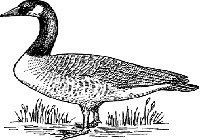
Raising geese is one of the most highly notable endeavors in the industry of farming. It may be hard at first, but then again most farming activities are hard.
Raising geese, however, has a string of rewards that no other poultry-related business or hobby can offer. Indeed, geese farming is something that must be tried, if only to experience the joy that comes with it.
The basics of geese farming first involves the choosing of the right goose breed that will match one's intention for raising and rearing geese in the first place. There are goose breeds that are better for hobby purposes, and there are some that are ideal for profit-making.
Geese farming must be done in a wide track of land. About an acre - or more if possible - is considered good enough by poultry experts, but only if the geese to be raised do not exceed twenty. Otherwise, it's highly suggested to transfer somewhere with a bigger land area.
In detail you will learn:
How to Get Started In Raising Geese The Different Kinds Of Geese Breeds How to Choose the Right Geese Breed How to Tell the Difference Between Male and Female Geese How To Keep Geese For Eggs Or Meat Learn About Geese Hatching A Nesting How To Take Care Of Goslings How To Feed And Care For Your Geese The Grazing and Weeding Of Geese Managing Urban Geese How To Take Care Of Geese In Different Weather How To Prevent And Treat Geese Diseases Learn About Pinioning Your Geese Steps To Dealing With Geese Predators
Guinea Fowl
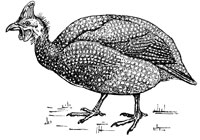
Guinea fowl can be not only great pets, but also quite profitable in the long run to have. Guinea fowl are unique in their behavior, appearance, and personalities. If this is your first experience with raising guinea fowl you'll want to start out small. A small "flock" and coop are best until you get into the swing of things.
Guinea fowl farming has many advantages. They are smaller sized birds. So they require less food, less living space and less capital for raising commercially. Guinea fowl meat and eggs are very suitable for human health, and also have medicinal value.
Guinea fowl require a very little space for living. So housing costs are less in guinea fowl rearing. Feeding costs also less in guinea fowl farming business. Because guinea fowl are smaller sized bird and require a little amount of foods.
Guinea fowl rearing require less capital for starting. You can start this business, even if you have a little capital. Female quails start laying eggs faster than any other poultry birds. Usually they start laying eggs within their 6 to 7 weeks of age. Broiler guinea fowl also grow faster and become suitable for marketing purpose fast.
In detail you will learn:
Getting Started With Raising Guinea Fowl The Origin And Distribution Of Guinea Fowls Different Types Of Guinea Fowls Characteristics Of A Guinea Fowl The Various Rearing Systems Distinguishing Guinea Cocks From Hens Management Of Breeding Stock Guidelines to Guinea Fowl Feeding Raising Guinea Fowl For Meat Raising Guinea Fowl For Egg Prodution Steps To Incubating Your Eggs How To Manage Your Guinea Fowl Health Inside the Guinea Fowl Coop How To Market Your Products The Right Supplements For Optimum Health Guinea Fowl Diseases: Symptoms, Causes and Treatment
Quail
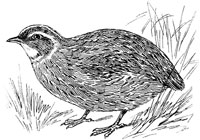
Raising quail is inexpensive, easy, provides very healthy low-fat white meat, and supplies the fertilizer you need for your garden. The moderate start-up costs for raising quail are well worth it. It you are considering going into the business of raising quail or you are already in the business, you have one major objective, to make a profit.
For people who want to take their raising quail hobby to the next level of producing and marketing large numbers as a business, there is a huge market for them out there right now. The cost of feed and supplies is minimal considering all the meat and eggs you get for your efforts.
Raising Quail however does require more than just feed and equipment. It also requires a commitment by you, to keep a clean and healthy environment. When raising quail, disease is your biggest enemy. Studies in this area have found that 80% of all quail mortality could have been prevented with proper management.
Beginners should start with the Coturnix quail. The Japanese or Coturnix quail are the fastest growing and reproducing birds. They are also the best specie of quail to raise for meat and eggs. These quail possess a remarkable resistance to disease, start laying at six weeks of age, and can be consumed at four to five weeks of age.
In detail you will learn:
How To Get Started In Raising Quails Why Quail Farming Is Lucrative Investment The Different Breeds of Quails How to Proper Select a Breed of Quails Proper Quail Houses Quail House Plans Health Inside the Quail Coop Guidelines to Quail Feeding Raising Quails For Meat And Eggs How to Get the Eggs How to Hatch the Chicks How to Grow and Feed the Chicks Care of the Growing Chicks Beak Trimming Your Birds The Proper Way To Brooding Quails When to Slaughter Your Quails The Right Supplements For Optimum Health Quail Diseases: Symptoms, Causes and Treatment
Chickens
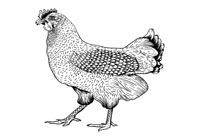
All over the country you can hear the gentle clucking of millions of chickens as they scratch around in the backyard. What is going on?
It seems that raising chickens has become an extremely popular pastime in many households, where these feathered ladies strut their stuff, to the amusement of the family who have probably just enjoyed a delicious breakfast of fresh, healthy, wholesome eggs.
It is fact that raising chickens is no longer the preserve of the country dwellers, in fact, "urban warriors" have taken to keeping chickens in their thousands. Maybe it is the promise of all those lovely eggs or possibly a succulent roast chicken dinner or maybe it is because people have found that chickens actually make appealing pets. Perhaps it is all three reasons.
Whatever the incentive, keeping chickens in the backyard has gained rapidly in popularity and there is very good reason for this. The slump in the economy and the growing awareness of the benefits of "green" living have probably been major factors but when you do some research, you will find that there are many other benefits that raising chickens in your backyard can offer.
In detail you will learn:
The Origins Of Chickens Anatomy of the Chicken Raising Chickens For Produce The Different Chicken Breeds Breeds For Meat Production Breeds For Egg Production The Right Chicken Housing Chicken Coop Plans Health Inside the Chicken Coop Chicken Housing Equipment Raising Broiler Chickens How to Get the Eggs Brooding And Raising The Chicks Care of the Growing Chicks The Right Nutrition The Right Feeding Methods When to Slaughter Your Chickens Chicken Health Care Hatching And Raising Chicks Improving Local Chickens Chicken Products And By-Products Keeping Chicken Farm Records Diseases, Symptoms And Treatments
Pigeons
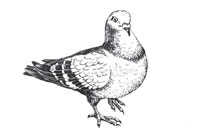
Pigeon farming is a very popular and profitable business venture. People mainly raise pigeons for sale. Pigeon meat is too much testy and full of protein, and the eggs are highly nutritous too.
In the past wild pigeons were available in forest and bird hunters used pigeon traps to catch them. Besides meat supply pigeons increase the beauty of a place. In many regions racing pigeons are highly demandable.
Wild pigeons can meet the demand for meat, but for the other reasons pigeon farming is important.
Pigeon farming is not so difficult job, anyone can do this. Pigeon is a very good pet bird. They don’t like to leave their house. A pigeon farm needs an open place for their moving.
Pigeon house requires a very little space; normally for a couple, a room with 12 x 12 x 10 inch dimension is quite enough. In a pigeon farm a large number of houses are made and kept side by side, and also one over another.
In detail you will learn:
How To Get Started In Raising Pigeons Why Get Into Pigeon Farming? The Different Breeds of Pigeons The Live Weights of Adult Birds How to Proper Select a Breed of Pigeons Proper Pigeon Houses Pigeon House Plans Health Inside the Pigeons Coop Guidelines to Pigeon Feeding How to Get the Eggs How to Hatch the Chicks How to Grow and Feed the Chicks Care of the Growing Chicks Raising Pigeons for Meat (squabs) When to Slaughter Your Pigeons Making Money Raising Pigeons The Right Supplements For Optimum Health Pigeon Diseases: Symptoms, Causes and Treatment
And you will get a complete resource that guides you to where you can order your various poultry and equipment at low prices!
It's All About Profitable Poultry
I'm sure the reason why you came to this website and are still reading is because you also want to raise profitable poultry, well look no further cause this ebook only guides you on raising profitable poultry.
The poultry you will raise using the guidelines in this ebook will be profitable to you and will get some good returns in investment not forgetting passive income for years to come, which will pass on to your kids and grand-kids. And it can begin now by you talking this first step and getting your copy of "How To Raise Poultry".
You will save a lot of money from buying farm produce such as meat and eggs when you own poultry farm. Poultry farming is a great way to feeding your family with fresh un-processed meat because you can raise your own poultry for production. And since these poultry are yours you can feed them with only healthy feed to make sure they produce quality products.
Poultry can be raised in two ways, the commercial way or organic (traditional) way. Since a lot of people are now turning to eating organic foods most farmers are now raising their poultry the organic way. Organic meat is healthier than commercially produced meat which is why people like it. It also tastes a lot better. This ebook also covers how to raise your Poultry the organic way. It's all about poultry farming.
"Look At What Other Farmers Say About How To Raise Poultry!"
"You Helped Me Save A Lot"
Hello Sir,
I would like to let you know that your ebook has helped me save a lot in buying books on raising various types of poultry.
When I started raising turkeys I went to a local farming seminar which cost me over $300 to attend and at the end of the seminar I had to buy a turkey handbook which cost $76.
Later last month I decided to start raising pigeons as well but just wasn't prepared to spend money again on seminars, I knew that there must be cheaper training.
When searching online for a guide to raising pigeons I came across your ebook. And since it teaches how to raise various poultry including pigeons at a fraction of the cost of the seminar I attended in only raising turkeys, I didn't think twice but to get a copy.
I must say that your ebook does over deliver, it has all in the information they taught us in that raising turkeys seminar. Amazing!
I'm so excited now because I got all the guidelines and reference to raise pigeons, quail, chickens and guinea fowl just from your ebook. I don't have to spend money in attending seminars or buying individual books.
Thank You!
Alex Becker
"My Only Poultry Reference"
Hi Gerard,
When I received the email from you asking me of my feedback I just had to reply you and let you know that your ebook has become my only reference.
I don't think I'll ever need another book in taking care of poultry because your ONE ebook has all the information and guidelines in raising different types of poultry.
Each time I run into difficulty with my birds or want to be double clear if what I'm doing is right, I find guidance to the problem in this ebook. Raising, care, shelter, diseases and treatment is all included. All in one reference!
Accept my thanks!
Lexi Macnane
"A Good Poultry Foundation"
All I can say to a person who is still thinking of getting this poultry ebook that I highly recommend you do.
I'm an advanced poultry farmer with years of experience and I learned to be a successful farmer the hard way. I had lots of birds dying at a young age and through diseases that I never knew anything about. And that has cost me a lot. There's a time I sort of regretted being a farmer because I felt it was such a hustle and the return in investment was minimal.
I came across your ebook when looking for treatment for one my quail that persistently failed to breed and bear young. It was now 2 years and I knew that I had to find a solution.
Reading that your ebook gives guidelines on raising quail as well I just had to get a copy. After reading a few chapters, how I wished I had gotten it earlier. All the problems I faced in my novice years are covered. I even found the solution of how to treat my quail not bearing young in your ebook. Its suitable for a beginner and advanced farmer.
I've always had second thoughts in raising guineafowl and chickens because of the bad experience I got from raising quail. But now its not the same, I'm starting with geese, then ducks later next year using your ebook as reference.
Thanks!
Mr R. Johnson
You can't blame me for strongly believing in my poultry ebook. I get a lot of feedback from poultry farmers thanking me and giving me insights on how their poultry farm is growing. I'm now waiting for yours.
You see, beginner poultry farmers face a lot of difficulties when raising poultry. Poultry is not that difficult to raise if you know how to. The reason why some beginner farmers fail in raising these poultry is because they don't have enough research on how to raise healthy poultry.
Many People Don't Know Where To Start!
Don't be one of those people who spend a fortune in getting guidance. This ebook will not only save you time on doing the research needed, but also in your pocketbook.
This guide won't leave you hanging not knowing what to do next. Its a step by step poultry farming plan that spells out your next step in plain English, you won't need to look for other information or join any other expensive Poultry training course once you have this guide in your disposal.
But that's not all because when you get your copy of "How To Raise Poultry" you will also receive...
Detailed Guide #1
Poultry Feeding And Equipment
Poultry usually need nutritious food regularly to be healthy, happy and contended.
A diet that is high in energy, low in fiber and supplemented with ample of protein is considered ideal and wholesome to ensure the upward and steady growth your Poultry.
Poultry can not be called poultry unless they love to eat. Their feeding habits are characterized with rooting and pleading for more food and eating food with a great gusto and relish.
However, in spite of your birds being constantly obsessed with the idea of eating food, it does not mean you submit to its obsession.
There is a specific and regulated pattern of feeding and eating habits for your birds and before you give your birds that extra morsel of food, ponder again!
With this ebook you will discover:
Healthy Poultry Feeding
Poultry Natural Diet
Organic Poultry Feed
Poultry Feeding Chart
Poultry Feeding Equipment
This is a must have guide for every farmer who wants to proper feed their poultry, it's a complete ebook to healthy poultry farming that will ensure that you feed your poultry the right nutrients from a young age.
+
Detailed Guide #2
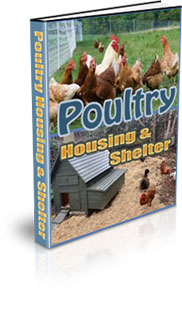
Poultry Housing And Shelter
When just beginning in raising poultry the first thing you have to prepare is land and housing.
Raising poultry requires you to build a proper house for them. The housing provides the birds with shade from the hot sun and keeps them warm in the winter.
Poultry house can be designed using wire, fencing hardware and hay. And house should be well ventilated as well and be kept clean.
Believe it or not but some birds are clean animals and don't like to defecate their own pens but that doesn't mean you can't help them out.
With this ebook you will discover:
Poultry Housing Requirements
Poultry Odor Control
Poultry Housing Types (with measurements)
Poultry Housing Systems
Poultry House Equipment
With "Poultry Housing And Shelter" you’ll be amazed at how simple and easy it is to proper house your poultry. You will get all the different options to housing and the required equipment for poultry farming.
How Much Is That Worth To You?
"How To Raise Poultry" retails for $267. But today we are offering it to you for only $97. All of the information on starting a poultry farm is simple to understand with images to guide you. You'll never find a guide that guides to on raising various types of poultry in one ebook.
This guide eliminates the time you will spend searching for incomplete information about raising poultry. You don't have to purchase a guide on raising chickens alone, then buy yet another guide on raising ducks, quail, guinea fowl, pigeons, and geese separately, that will cost you over $900. Just by making a one time investment of $97 you will get all you need to know on raising these various poultry at a cost of the price.
You've never seen such a good offer, right? But to make you even more comfortable about your investment, I'll offer you my....
My 3 Month Money Back Guarantee!
EFFORTLESSLY START YOUR OWN POULTRY FARM 100% AT MY RISK WITH A FULL 90 DAY MONEY-BACK GUARANTEE
If You Serious About Raising Profitable Poultry Then This Is Your Guide
The cost of living these days is very high and people are looking for ways to save some money at the same time are looking for ways to make some extra income.
Raising your very own poultry is a great way to provide your family with fresh quality products like meat and eggs. On the other hand Poultry farming is a great way to make some money since you can sell the produce for some good profits.
If you serious on becoming a productive poultry farmer then don't leave this page without getting your copy of this guide.
"I Just Moved To The Country Side"
Hi Gerard!
I'm so glad I got a copy of your ebook. I just moved to the country side and have had a big interest in poultry ever since I was a town person.
I've always admired nature and birds that I promised myself that once I move to the country side I will raise poultry.
I knew that there is lots of work required to be a poultry farmer, but your ebook has made it look so simple. I mean everything is there about raising the various poultry.
It goes into detail about the forms of poultry, feeding, care and diseases that effect the various birds. Not forgetting how to treat those diseases as well. What more would a town person like me want.
There are some ready amazing facts as well with these poultry, especially when raising ducks. As soon as I settle down I'll start raising a few poultry, maybe first start with pigeons and chickens because they seem a little easily to raise. Then with time I will add other poultry like some quail and geese.
And with your ebook as my reference I'm sure prepared and looking forward to it. Will let you know of my proceedings.
Thank You!
Mr. Jerry Lornda
Nothing, Absolutely Nothing, Is Left Out!
When it comes to raising poultry, it is very important that you know what you are doing so to avoid failures. You have to know how to feed and give proper shelter for your poultry. You will have to know how to early notice and treat different types of health matters and diseases that will be of harm to your birds.
And when it come to poultry this is the only guide that covers every aspect of raising healthy poultry. It's a complete guide to being a successful poultry farmer. So if you want to raise any type of poultry listed in this site, make sure you have this ebook for guidance and reference. There's no better time to get into this market as a poultry farmer than now.
P.S. Remember that your first dozen eggs from your own backyard will taste richer and more vibrant than anything you’ve ever bought at a store, and that moment of cracking open a warm, golden-yolked egg you produced yourself is when self-sufficiency stops being an abstract concept and becomes a daily, delicious reality.
P.P.S The heritage breed guide included in this program doesn’t just tell you which birds lay the most eggs; it reveals which ones thrive on forage alone, resist local diseases without medication, and can hatch their own replacements, so your flock becomes truly independent rather than just another subscription to industrial agriculture.
P.P.P.S Every week you delay starting your flock is another week of paying premium prices for inferior eggs and missing the compound returns of soil fertility, pest control, and kitchen-waste recycling that only a working backyard flock can provide—your future self will thank you for taking the first step today.
"The Next Step Is Yours". Grab this one of its kind poultry farming ebook that will guide you on how to be a successful poultry farmer today, don't waste anymore of your time trying to find incomplete information on raising poultry, get your How To Raise Poultry just by investing in this guide...
Yes, Gerard I Too Want To Raise Profitable Poultry!
Yes, I Want Instant Download To This Ebook!
Yes, I Want It Now While It's Only $97!
(Important) I understand that this is an electronic book (e-book) that is downloaded and delivered in PDF format not by mail. It can be read or printed out from any computer that has adobe reader (immediately after payment). The download link will be sent to your Paypal or Clickbank email address.
I understand that this ebook will guide me to raise healthy poultry even if I'm an absolute beginner and haven't tried raising poultry before.
And I understand that by making a one time investment I will receive the following poultry ebooks:
How To Raise Poultry - Which will guide me on how to raise various types of profitable poultry in my very own farm. I will discover how to care for them and profit from their produce.
Poultry Feeding And Equipment - This is a complete ebook on how to proper feed my various Poultry and make sure they get enough nutrients to grow healthy and strong.
Poultry Housing And Shelter - With this ebook I will get guidelines with dimensions on how to build and proper house my poultry making sure they are well protected.
Get the one and only guide to profitable poultry by adding this guide to your cart below and make a one-time Investment.
You will then be redirected to the secure members area where you will get immediate access to download your "Poultry Farming For Self Sufficiency" ebook plus the two detailed guides. Another copy will be sent to your e-mail inbox.
Take Advantage Of This Discount Price And Secure Your Copy Now!
Poultry farming for self sufficiency empowers homesteaders to raise backyard chickens using sustainable poultry husbandry practices, organic feed strategies, and heritage breed selection to produce fresh eggs and meat while reducing grocery dependency, improving soil fertility through natural manure composting, controlling garden pests biologically, and building resilient local food systems that support long-term household independence and regenerative agriculture principles.
Frequently Asked Questions!
What is the minimum number of chickens needed for a self-sufficient flock?
Most experts recommend starting with at least three to four hens because chickens are social animals that experience stress when isolated, and this small flock size provides enough eggs for a typical household while maintaining stable social dynamics.
Which chicken breeds are best suited for self-sufficiency rather than maximum egg production?
Heritage dual-purpose breeds like Rhode Island Reds, Plymouth Rocks, and Australorps excel in self-sufficient systems because they forage efficiently, resist disease naturally, reproduce without artificial incubation, and provide both meat and eggs over a longer productive lifespan than industrial hybrids.
How much space do self-sufficient chickens require per bird?
A truly self-sufficient free-range system benefits from at least 250 square feet per bird to allow adequate foraging and prevent land degradation, though confined runs should provide a minimum of 10 square feet per hen to maintain health and reduce behavioral problems.
Can kitchen scraps alone sustain a backyard flock without commercial feed?
Kitchen scraps can supplement but cannot fully replace balanced nutrition because household waste lacks consistent protein, calcium, and vitamin levels necessary for egg production and health, so most self-sufficient keepers combine scraps with cultivated fodder, insects, and minimal quality feed.
How do I manage poultry manure safely in a self-sufficient system?
Fresh chicken manure must be hot-composted for at least six months before garden application to eliminate pathogens and prevent nitrogen burn, transforming a potential waste problem into valuable fertilizer that closes the nutrient cycle on your homestead.
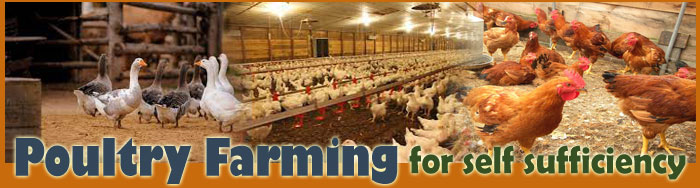
 High-Quality Protein Production: Backyard poultry provide a consistent, renewable source of nutrient-dense eggs and meat, reducing reliance on grocery stores and ensuring access to fresh protein free from industrial additives or unknown processing methods.
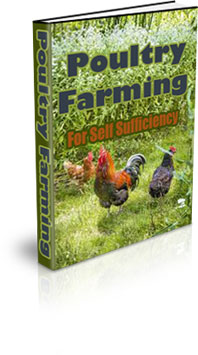 Poultry farming for self-sufficiency represents one of the most accessible and rewarding entry points into homesteading, offering a tangible connection to food production that fits within the constraints of modern suburban and rural life alike.
 Turkeys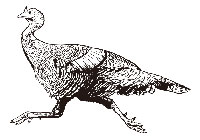
 The General History About Domestic Turkeys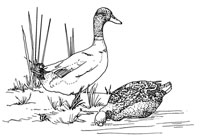

 Poultry Feeding And Equipment
 Poultry Housing And Shelter







 What is the minimum number of chickens needed for a self-sufficient flock?