"How To Make A Game Bird Habitat 'The Healthy Profitable Way' For Meat and Eggs Even If You're Just Starting Out In Game Bird Farming"
“That's Right, This Is A Beginner's And Advanced Farmers Guide To Raising Pheasants, Quail, Partridges, Turkeys, Pigeons, Emu, Plus Ostrich Easily And Avoid Costly Mistakes That Game Bird Owners Are Prone To!"
Date:
Name: Gerard Dawn
Dear Game Birds Farmer,
You've been searching around for information on How To Make A Game Bird Habitat, but you not finding enough guidelines to get you started? Or you have some questions you need answers to when raising game birds? Well look no further because I've got the answers to all questions you may have to raising your own healthy game birds.
The farming of game birds is a practice that evolved from ancient aristocratic hunting traditions into a specialized modern agricultural sector, primarily centered on species like pheasants, partridges, and quail.
While humans have kept captive birds for millennia, the systematic rearing of game birds specifically for release and shooting is a relatively recent development that gained momentum in Victorian Britain during the nineteenth century.
Prior to this era, wild populations were managed through habitat preservation and predator control rather than active breeding, but as land enclosure and intensive agriculture reduced natural habitats, estate owners began experimenting with artificial incubation and hand-rearing to supplement declining wild stocks for sport.
In recent decades, the sector has become increasingly professionalized and regulated, with a strong emphasis on biosecurity, genetic selection, and animal welfare standards.
Modern game bird farming now operates as a distinct niche within livestock agriculture, supplying birds not only for traditional driven shoots in Europe but also for emerging markets in North America and beyond.
The Benefits Of Raising Game Birds
Supports rural economies by creating specialized jobs in breeding, rearing, feed production, and veterinary services that might not otherwise exist in remote agricultural areas.
Funds habitat conservation and woodland management, as the revenue generated from shooting estates often subsidizes the maintenance of hedgerows, cover crops, and wetlands that benefit wider biodiversity.
Provides a sustainable source of lean, free-range protein with a lower carbon footprint compared to intensive livestock farming, utilizing land that is often unsuitable for arable crops or traditional grazing.
Preserves cultural heritage and traditional field sports, maintaining skills related to dog training, gun handling, and countryside management that have been passed down through generations.
Enhances biosecurity and disease monitoring for wild populations, as regulated farms act as controlled environments where health issues can be identified and managed before they spread to native wildlife.
Diversifies farm income streams, offering agricultural businesses resilience against fluctuating commodity prices and reducing reliance on single-crop systems or conventional livestock markets.
As you see there are lots of benefits as to why one would want to raise their own game birds. When done right game bird farming can be very rewarding and can bring some good profits as well. But it is very important that you know what you are doing when starting out because you can easily make costly mistakes. So read on...
Raising Game Birds Is Rewarding
There's no doubt that game bird farming is rewarding that's why it's considered as a multi-billion dollar industry because the demand for game bird produce is ever growing.
As a beginner farmer you may think it is impossible to learn to how to care for game birds correctly, but it is not. You too, however, can easily learn how to care for game birdsin order to reach your goals.
Without the right tools and information, it could take you years and cost you a fortune to discover the secrets of successful care of game birds, however. Instead of spending a fortune on so-called experts or knocking yourself out with the old trial and error method, there is an easier way to achieve your goals.
Now there’s good news ....
I won’t deny that there are a ton of books out there on the elements of the care of game birds. Unfortunately the problem with most books on the subject is that they are either filled with plenty of promises, no solid techniques and strategies to back up those promises or they contain only one or two pieces of useful information and not a comprehensive look at everything you need to know to succeed.
Introducing the...
How To Make A Game Bird Habitat!
Raising game birds is a demanding yet rewarding agricultural pursuit that requires a distinct set of skills compared to conventional poultry farming.
Success begins with selecting appropriate species for the local climate and intended purpose, whether for sport, meat production, or conservation breeding.
Pheasants, partridges, and quail each have unique behavioral and nutritional needs, and understanding these differences is essential for establishing a healthy flock.
Unlike domesticated chickens, game birds retain strong wild instincts, making them more susceptible to stress and requiring careful handling and specialized housing that mimics natural cover while providing protection from predators and harsh weather.
The rearing cycle demands meticulous attention to biosecurity and nutrition, particularly during the critical brooding period when chicks are most vulnerable.
Game bird poults require high-protein starter feeds and precise temperature regulation, as they grow rapidly and are prone to cannibalism and disease if conditions are suboptimal. Modern producers must also implement strict hygiene protocols to prevent outbreaks of avian influenza or other pathogens that can devastate both captive flocks and wild populations.
"How To Make A Game Bird Habitat" breaks the mold of all the other books you have heard and read about. It presents solid, proven steps to help you learn how to care for game birds.
With this guide you will discover how to successfully raise:
Pheasants
Raising pheasants has been done, literally, for centuries by the Japanese and have migrated with the aid of humans to all over the world.
Because of their small size, they are perhaps the easiest of food birds to raise and can be kept in small areas as opposed to other gamefowl that require more space.
Part of the attraction of raising pheasants for food is the healthy meat that they produce and it is desirable as healthy consumption due to the low level of cholesterol contained in it as well as being infused with multiple nutrients.
As a delectable and nutritious meal, pheasants is rapidly becoming the choice of people everywhere desiring to follow healthy eating practices.
In detail you will learn:
The History Of Pheasants Different Types of Pheasants Checklists for Raising Pheasants To Hatch or to Buy Your Birds A Look At Brood Rearing Feeding and Watering Your Birds Constructing The Right Flight Pen Raising Pheasants For Meat Raising Pheasants For Eggs How To Deal With Cannibalism The Right Supplements For Optimum Health Pheasant Diseases: Symptoms, Causes and Treatment Working With Regulations In Your Area To Stock or Not to Stock Your Birds How to Release Your Birds
Quail
Raising quail is inexpensive, easy, provides very healthy low-fat white meat, and supplies the fertilizer you need for your garden. The moderate start-up costs for raising quail are well worth it. It you are considering going into the business of raising quail or you are already in the business, you have one major objective, to make a profit.
For people who want to take their raising quail hobby to the next level of producing and marketing large numbers as a business, there is a huge market for them out there right now. The cost of feed and supplies is minimal considering all the meat and eggs you get for your efforts.
Raising Quail however does require more than just feed and equipment. It also requires a commitment by you, to keep a clean and healthy environment. When raising quail, disease is your biggest enemy. Studies in this area have found that 80% of all quail mortality could have been prevented with proper management.
Beginners should start with the Coturnix quail. The Japanese or Coturnix quail are the fastest growing and reproducing birds. They are also the best specie of quail to raise for meat and eggs. These quail possess a remarkable resistance to disease, start laying at six weeks of age, and can be consumed at four to five weeks of age.
In detail you will learn:
How To Get Started In Raising Quails Why Quail Farming Is Lucrative Investment The Different Breeds of Quails How to Proper Select a Breed of Quails Proper Quail Houses Quail House Plans Health Inside the Quail Coop Guidelines to Quail Feeding Raising Quails For Meat And Eggs How to Get the Eggs How to Hatch the Chicks How to Grow and Feed the Chicks Care of the Growing Chicks Beak Trimming Your Birds The Proper Way To Brooding Quails When to Slaughter Your Quails The Right Supplements For Optimum Health Quail Diseases: Symptoms, Causes and Treatment
Partridges
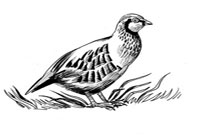
Choosing to raise partridges can be an enormous undertaking, but with the proper research and information you will be able to handle it like a professional. Knowing your breeds is perhaps the first and most important step to beginning the process.
Have you decided whether the partridges will be raised for food or game only? These are important questions and information you will need to be aware of before commencing onto the next steps involved to breeding or raising partridges.
If you have decided for certain you are going to raise them, the next step is educating yourself on the different breeds and types of wild fowl available for domestic raising. The main types that are available in the United States are literally thousands of types of quail, pheasant, partridge, ducks, and chickens.
In detail you will learn:
The History Of Partridges The Various Types Of Partridges Getting Started With Raising Partridges The Distribution OF Partridges Characteristics of the Chukar Egg Steps To Partridge Brooding Growing Chukars The Healthy Way Giving The Right Nutrition To Your Birds The Right Supplements For Optimum Health The Management of Breeders Raising Partridges For Meat Raising Partridges For Eggs A Look Into Partridge Sanitation Partridge Diseases: Symptoms, Causes and Treatment Steps To Releasing Your Partridges
Turkeys
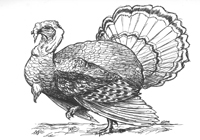
The turkey is a very large bird which is also a native species in North America. Its bare neck with wattles as wells as its grand plumage is a very distinctive characteristic.
Its name was first used to refer to another species of guinea fowl which was thought to have come from Turkey but the truth is that the specie found in North America is really a different type. There is quite a variety of Turkey specie but among the most common are the Bourbon Red, the Narragansett, White Holland, and the Bronze.
If you are interested in raising turkeys, you have to understand that there are several stages in raising this fowl which first starts in the breeder farm then the hatchery and the last is the turkey farm.
Typically, the breeder farm is where the mother turkey lays it eggs and then after collecting it, the eggs are then sent to the hatchery. If the turkey is for commercial consumption, there are several steps being followed by turkey hatchery in order to insure that the farm will have only the highest quality of turkey eggs.
In detail you will learn:
The General History About Domestic Turkeys Getting Started In Raising Turkeys Different Turkey Sizes And Breeds The Different Kinds Of Turkey Breeds The Living Conditions Suitable for Turkeys How To Take Care Of A Newborn Turkeys Raising Turkeys for Meat Requirements Needed For Breeding Meat Turkeys Turkey Price and Meat Content Raising Turkeys for Egg Production Egg Gathering and Storage Turkey Gestation and Life Expectancy Turkey Grooming and Separating the Sexes Artificial Brooding Of Poults How To Build A Proper Turkey House Turkey Diseases: Symptoms, Causes and Treatment Raising Turkeys For Profit
Pigeons
One of the most common superlatives used to describe the taste of a pigeon is "delectable." Webster defines the meaning as highly pleasing, delightful, and delicious, and others add luscious, extremely pleasing to the sense of taste, and capable of causing desire.
The Chinese have raised pigeons for over 2000 years. Today pigeon farms are big business in china, with several hundred being operated with government approval and encouragement. They are also big medicine. The Chinese believe that pigeons is not only delicious and easily digestible, but that the meat and broth can be used to treat a variety of health ailments.
On the American scene, the use of pigeons may be a result of the people's memory and fondness for the tenderness and taste of the passenger pigeon, and we know what happened to that miraculous horde. They ate them. Thomas Jefferson and the history of the United States are forever intertwined.
If pigeons are good enough for a prophet, an American founding father, and one of the world's richest men, it's good enough for me. After all, 1.4 billion Chinese, with a "B", cannot be wrong.
In detail you will learn:
How To Get Started In Raising Pigeons Why Get Into Pigeon Farming? The Different Breeds of Pigeons The Live Weights of Adult Birds How to Proper Select a Breed of Pigeons Proper Pigeon Houses Pigeon House Plans Health Inside the Pigeons Coop Guidelines to Pigeon Feeding How to Get the Eggs How to Hatch the Chicks How to Grow and Feed the Chicks Care of the Growing Chicks Raising Pigeons for Meat (squabs) When to Slaughter Your Pigeons Making Money Raising Pigeons The Right Supplements For Optimum Health Pigeon Diseases: Symptoms, Causes and Treatment
Emu
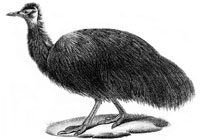
Even though the emu is native to Australia, these birds (cousins of the ostrich) are found around the world on farms. They are raised on farms in many locations of the United States, Canada, many areas of India, Spain, and of course, around Australia. The process of commercially raising them in a farm setting started around 1998 and has continued to be a huge business.
Part of that stems from the fact that emu oil continues to get lots of attention. It is believed to be a natural remedy to help reduce pain and inflammation. It is marketed as a great option for controlling arthritis, for healing after a burn, and for reducing pain after being bitten or stung by various insects.
In some locations, the birds are raised for their meat to be consumed, which is considered a red meat. The leather is used in many products and is another commercial success for suppliers as emu leather is in high demand.
The emu does well in captivity and they are easy enough to raise. They don't require a great deal of space so, emu farms are small, compact enterprises comprising only a few acres. Accordingly, manpower to operate such a farm is not overbearing (when compared, say, to a dairy farm or cattle ranch). It takes little manpower to meet the needs of the emus.
In detail you will learn:
How To Get Started In Raising Emu The Different Breeds of Emu The Live Weights of Adult Birds How to Proper Select a Breed of Emu Proper Emu Houses Emu House Plans Health Inside the Emu Coop Guidelines to Emu Feeding How to Get the Eggs How to Hatch the Chicks How to Grow and Feed the Chicks Care of the Growing Chicks When to Slaughter Your Emu The Right Supplements For Optimum Health Emu Diseases: Symptoms, Causes and Treatment
Ostrich
Decorative feathers, delicious and nutritious meat and strong, attractive leather are just some of the reasons to consider the lucrative business of ostrich farming. It can also be an aid for healthier eating habits.
Ostrich farming is currently conducted in over 100 countries across the world. From cold climates such as Alaska and Sweden to equatorial countries like Brazil and Indonesia, ostriches are being raised as livestock with high yields. Because of its hardy nature, virtually any area is adaptable for the ostrich.
Its feathers provide great protection with their insulating abilities; keeping the bird cool in hot climates and warm in colder areas. Humidity does present a problem, not with the adults but with the chicks which are highly susceptible to diseases that can be present in those conditions.
Another reason many people consider the business of ostrich farming is that the meat, eggs, and hide of ostriches are in great demand. The cost of raising ostriches is much less than that of many livestock, because the ostrich is a free range animal that requires virtually no care after the age of 4 to 5 months. Feeding the birds is a much lower investment than feeding livestock, as the weight gain is greater with less feed for the ostriches.
In detail you will learn:
How To Get Started In Raising Ostrich The Different Breeds of Ostrich The Behavior of Ostrich Ostrich Farming Options The Live Weights of Adult Birds How to Proper Select a Breed of Ostrich Proper Ostrich Houses Ostrich House Plans Health Inside the Ostrich Coop Guidelines to Ostrich Feeding Raising Ostrich For Meat Raising Ostrich For Eggs How to Get the Eggs How to Hatch the Chicks How to Grow and Feed the Chicks Care of the Growing Chicks When to Slaughter Your Ostrich The Right Supplements For Optimum Health Ostrich Diseases: Symptoms, Causes and Treatment How To Sell Your Slaughter Birds And Produce
And you will get a complete resource that guides you to where you can order your various game birds and equipment at low prices!
It's All About Profitable Game Birds
I'm sure the reason why you came to this website and are still reading is because you also want to raise profitable game birds, well look no further cause this ebook only guides you on raising profitable game birds.
The game birds you will raise using the guidelines in this ebook will be profitable to you and will get some good returns in investment not forgetting passive income for years to come, which will pass on to your kids and grand-kids. And it can begin now by you talking this first step and getting your copy of "How To Make A Game Bird Habitat".
You will save a lot of money from buying farm produce such as meat, eggs and feathers when you own game birds farm. Game bird farming is a great way to feeding your family with fresh un-processed meat because you can raise your own game birds for production. And since these game birds are yours you can feed them with only healthy feed to make sure they produce quality products.
Game Birds can be raised in two ways, the commercial way or organic (traditional) way. Since a lot of people are now turning to eating organic foods most farmers are now raising their game birds the organic way. Organic meat is healthier than commercially produced meat which is why people like it. It also tastes a lot better. This ebook also covers how to raise your game birds the organic way. It's all about game birds farming.
"Look At What Other Farmers Say About How To Make A Game Bird Habitat!"
"From Skeptic to Successful Beginner"
Hello Sir,
I never imagined I could establish a thriving pheasant habitat on my small hobby farm without prior wildlife management experience.
This ebook transformed overwhelming concepts into actionable weekly tasks that even a complete novice could follow confidently. The soil testing chapter alone saved me from wasting hundreds of dollars on unsuitable seed mixes.
Within eighteen months, I had birds flushing naturally from cover I planted myself, and neighbors now ask for advice.
The author’s patient tone and clear diagrams made complex ecology feel accessible, proving that dedication matters more than expertise when creating sustainable game bird environments for personal enjoyment and future meat production.
Thank You!
Carlos de Vail
"Meat Production Made Accessible"
Hi Gerard,
As a first-generation farmer seeking diversified income, I needed practical guidance beyond theoretical conservation texts. This ebook delivered exactly that, balancing ethical husbandry with realistic production timelines for quail and partridge raised for table use.
The nutrition schedules and processing guidelines were invaluable, helping me achieve consistent growth rates while maintaining bird welfare standards my customers trust. I particularly appreciated the budget breakdowns that prevented costly overinvestment in infrastructure before establishing market demand.
My operation now supplies local restaurants reliably, and this resource remains my most referenced guide for scaling responsibly without compromising habitat integrity or animal health during expansion phases.
Accept my thanks!
Alex Torris
"Weekend Warrior Habitat Success"
Balancing a full-time job with habitat creation seemed impossible until this ebook showed me how to prioritize high-impact tasks during limited free hours.
The seasonal calendar helped me focus efforts where they mattered most, turning sporadic weekend work into measurable progress rather than frustrating half-finished projects. I especially valued the troubleshooting section when my initial cover crop failed; the diagnostic flowchart identified drainage issues I’d completely overlooked.
Two years later, my ten-acre plot supports both wild and released birds, providing incredible hunting opportunities close to home.
This guide respects beginners’ time constraints while delivering professional-grade results through intelligent planning and adaptive management strategies.
Thanks!
Mr S. Saol
You can't blame me for strongly believing in my Game Birds ebook. I get a lot of feedback from Game Birds farmers thanking me and giving me insights on how their game bird farm is growing. I'm now waiting for yours.
You see, beginner game bird farmers face a lot of difficulties when raising game birds. Game birds is not that difficult to raise if you know how to. The reason why some beginner farmers fail in raising these birds is because they don't have enough research on how to raise healthy game birds.
Many People Don't Know Where To Start!
Don't be one of those people who spend a fortune in getting guidance. This ebook will not only save you time on doing the research needed, but also in your pocketbook.
This guide won't leave you hanging not knowing what to do next. Its a step by step game bird farming plan that spells out your next step in plain English, you won't need to look for other information or join any other expensive game birds training course once you have this guide in your disposal.
But that's not all because when you get your copy of "How To Make A Game Bird Habitat" you will also receive...
Detailed Guide #1
Game Birds Feeding And Equipment
Game Birds usually need nutritious food regularly to be healthy, happy and contended.
A diet that is high in energy, low in fiber and supplemented with ample of protein is considered ideal and wholesome to ensure the upward and steady growth your birds.
Game Birds can not be called birds unless they love to eat. Their feeding habits are characterized with rooting and pleading for more food and eating food with a great gusto and relish.
However, in spite of your birds being constantly obsessed with the idea of eating food, it does not mean you submit to its obsession.
There is a specific and regulated pattern of feeding and eating habits for your birds and before you give your birds that extra morsel of food, ponder again!
With this ebook you will discover:
Healthy Game Birds Feeding
Game Birds Natural Diet
Organic Game Birds Feed
Game Birds Feeding Chart
Game Birds Feeding Equipment
This is a must have guide for every farmer who wants to proper feed their birds, it's a complete ebook to healthy game bird farming that will ensure that you feed your birds the right nutrients from a young age.
+
Detailed Guide #2
Game Bird Housing And Shelter
When just beginning in raising game birds the first thing you have to prepare is land and housing.
Raising game birds requires you to build a proper house for them. The housing provides the birds with shade from the hot sun and keeps them warm in the winter.
Game birds house can be designed using wire, fencing hardware and hay. And house should be well ventilated as well and be kept clean.
Believe it or not but some game birds are clean birds and don't like to defecate their own pens but that doesn't mean you can't help them out.
With this ebook you will discover:
Game Birds Housing Requirements
Game Birds Odor Control
Game Birds Housing Types (with measurements)
Game Birds Housing Systems
Game Birds House Equipment
With "Game Birds Housing And Shelter" you’ll be amazed at how simple and easy it is to proper house your game birds. You will get all the different options to housing and the required equipment for game farming.
How Much Is That Worth To You?
"How To Make A Game Bird Habitat" retails for $267. But today we are offering it to you for only $97. All of the information on starting a game bird farm is simple to understand with images to guide you. You'll never find a guide that guides to on raising various types of g birds in one ebook.
This guide eliminates the time you will spend searching for incomplete information about raising game birds. You don't have to purchase a guide on raising pheasants alone, then buy yet another guide on raising quail, partridges, turkeys, pigeons, emu and ostrich separately, that will cost you over $900. Just by making a one time investment of $97 you will get all you need to know on raising these various birds at a cost of the price.
You've never seen such a good offer, right? But to make you even more comfortable about your investment, I'll offer you my....
My 3 Month Money Back Guarantee!
EFFORTLESSLY START YOUR OWN GAME BIRD FARM 100% AT MY RISK WITH A FULL 90 DAY MONEY-BACK GUARANTEE
If You Serious About Raising Profitable Game Birds Then This Is Your Guide
The cost of living these days is very high and people are looking for ways to save some money at the same time are looking for ways to make some extra income.
Raising your very own Game Birds is a great way to provide your family with fresh quality products like meat and eggs. On the other hand game bird farming is a great way to make some money since you can sell the produce for some good profits.
If you serious on becoming a productive game bird farmer then don't leave this page without getting your copy of this guide.
"Conservation Meets Practical Farming"
Hi Gerard!
My goal was restoring degraded pastureland while producing game birds sustainably, but conflicting advice online left me paralyzed.
This ebook reconciled ecological principles with agricultural realities, showing how native plantings could serve dual purposes without sacrificing productivity.
The integration of livestock grazing rotations with bird habitat was revelatory, allowing me to maintain existing operations while enhancing biodiversity.
Monitoring templates helped document improvements that qualified my land for state conservation incentives, offsetting establishment costs significantly.
What began as a personal project has become a model for neighboring farms, demonstrating that thoughtful habitat creation benefits wildlife, soil health, and farm profitability simultaneously when guided by evidence-based practices.
Thank You!
Mr. Jerry Lornda
Nothing, Absolutely Nothing, Is Left Out!
When it comes to raising game birds, it is very important that you know what you are doing so to avoid failures. You have to know how to feed and give proper shelter for your birds. You will have to know how to early notice and treat different types of health matters and diseases that will be of harm to your livestock .
And when it come to game birds this is the only guide that covers every aspect of raising healthy birds. It's a complete guide to being a successful game bird farmer. So if you want to raise any type of game birds listed in this site, make sure you have this ebook for guidance and reference. There's no better time to get into this market as a game bird farmer than now.
P.S. Remember that a successful game bird habitat isn’t just about planting cover; it’s about creating a year-round ecosystem that provides food, shelter, and nesting sites in close proximity, so don’t skip the soil testing and native plant selection steps outlined in Chapter 3, as they are the foundation upon which every other improvement depends.
P.P.S The bonus habitat assessment checklist included with your order was developed from over two decades of field trials on working estates, and using it before you break ground can save you thousands of dollars in costly redesigns by identifying drainage issues, predator corridors, and microclimate variations that aren’t visible on standard topographic maps.
P.P.P.S Habitat creation is a multi-year process, not a weekend project, so start small this season with a single acre of diverse cover crops and water sources, document your results with the provided journal template, and scale up next year based on actual bird usage data rather than guesswork, because nature rewards patience and observation far more reliably than expensive shortcuts.
"The Next Step Is Yours". Grab this one of its kind game birds ebook that will guide you on how to be a successful bird farmer today, don't waste anymore of your time trying to find incomplete information on raising game birds, get your How To Make A Game Bird Habitat just by investing in this guide...
Yes, Gerard I Too Want To Raise Profitable Game Birds!
Yes, I Want Instant Download To This Ebook!
Yes, I Want It Now While It's Only $97!
(Important) I understand that this is an electronic book (e-book) that is downloaded and delivered in PDF format not by mail. It can be read or printed out from any computer that has adobe reader (immediately after payment). The download link will be sent to your Paypal or Clickbank email address.
I understand that this ebook will guide me to raise healthy game birds even if I'm an absolute beginner and haven't tried raising game birds before.
And I understand that by making a one time investment I will receive the following game birds ebooks:
How To Make A Game Bird Habitat - Which will guide me on how to raise various types of profitable game birds in my very own farm. I will discover how to care for them and profit from their produce.
Game Birds Feeding And Equipment - This is a complete ebook on how to proper feed my various birds and make sure they get enough nutrients to grow healthy and strong.
Game Birds Housing And Shelter - With this ebook I will get guidelines with dimensions on how to build and proper house my birds making sure they are well protected.
Get the one and only guide to profitable game birds by adding this guide to your cart below and make a one-time Investment.
You will then be redirected to the secure members area where you will get immediate access to download your "How To Make A Game Bird Habitat" ebook plus the two detailed guides. Another copy will be sent to your e-mail inbox.
Take Advantage Of This Discount Price And Secure Your Copy Now!
Learning how to make a game bird habitat requires integrating native cover crops, reliable water sources, and predator-proof shelter zones while conducting soil testing, selecting region-specific plant species, implementing rotational management practices, monitoring wildlife usage patterns, maintaining biosecurity protocols, and consulting local conservation agencies to ensure your sustainable upland ecosystem supports healthy pheasant, quail, or partridge populations year-round for hunting, breeding, or ecological restoration purposes.
Frequently Asked Questions!
What is the minimum acreage needed for a functional game bird habitat?
A viable habitat can be established on as little as five acres if intensively managed with diverse cover, water, and food sources, though ten to twenty acres provide greater resilience and carrying capacity for sustainable populations.
Which native plants are best for pheasant cover in temperate regions?
Native warm-season grasses like switchgrass and big bluestem combined with shrubs such as American plum and dogwood offer superior year-round thermal protection, nesting structure, and insect forage compared to non-native monocultures.
How do I test soil before establishing game bird habitat?
Collect composite samples from multiple locations across your site at six-inch depth and submit them to a certified agricultural lab for pH, nutrient analysis, and organic matter content to guide lime and fertilizer applications tailored to native plant establishment.
When is the optimal time to plant cover crops for game birds?
Late summer to early fall planting allows cool-season species to establish roots before winter, while spring planting suits warm-season natives, but always align seeding windows with local extension service recommendations for your specific hardiness zone.
How much water access do game birds require in a habitat?
Birds need reliable water within three hundred feet of cover during brood-rearing season, which can be provided through small ponds, guzzlers, or maintained wetlands, as dehydration significantly reduces chick survival even when food and shelter are abundant.
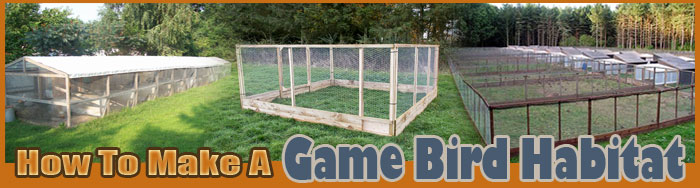
 Supports rural economies by creating specialized jobs in breeding, rearing, feed production, and veterinary services that might not otherwise exist in remote agricultural areas.
 Raising game birds is a demanding yet rewarding agricultural pursuit that requires a distinct set of skills compared to conventional poultry farming.
 Pheasants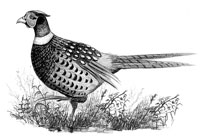
 The History Of Pheasants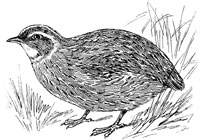



 Game Birds Feeding And Equipment
 Game Bird Housing And Shelter






 What is the minimum acreage needed for a functional game bird habitat?