
Small Scale Deer Farming Frequently Asked Questions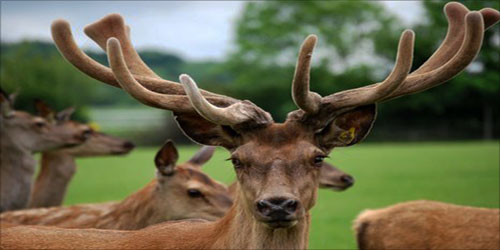 Here are 15 frequently asked questions on small scale deer farming:Deer are natural browsers and prefer grasses, leaves, twigs, and legumes; supplemental feeding with grains or commercial deer feed may be needed during winter. Deer are less labor-intensive than traditional livestock but require knowledge of their behavior, nutrition, and health needs to ensure success. Yes, through meat sales, live animal sales, antler velvet harvesting, hides, and even agritourism, though profitability builds gradually and varies by region. Begin by researching laws and permits, preparing secure fencing and shelter, sourcing healthy stock, and learning about deer husbandry practices. Yes, including chronic wasting disease (CWD) and tuberculosis—regular veterinary checkups and biosecurity measures help prevent outbreaks. Most deer species have a fall breeding season known as rut, with does coming into estrus once a year—controlled breeding helps manage fawn timing and health. With proper care, deer can live 10–15 years, though breeding stock is often rotated based on productivity and herd management goals. Yes, many small-scale farmers butcher their own deer using proper tools and techniques, ensuring fresh, organic meat while minimizing costs. Minimize human interaction, use quiet handling methods, and provide safe enclosures—stress and improper handling can lead to injury or illness. Basic equipment includes sturdy fencing, feeding troughs, water systems, handling chutes, and transport trailers designed for small livestock. Use farmers’ markets, online platforms, niche food stores, and direct-to-consumer models to sell venison and related products effectively. Challenges include initial setup costs, regulatory hurdles, fencing maintenance, predator control, and ensuring consistent nutrition and herd health. Yes, deer have a lighter environmental impact than many livestock species, making them ideal for sustainable land use and regenerative farming practices. Yes, by avoiding synthetic additives, using natural feeds, and maintaining humane conditions, you can market your venison as naturally raised or organic. While some benefits like fawn production appear within a year, building a profitable or self-sufficient system typically takes several seasons of careful management. "Want To Raise Healthy Deer? Get Gerard Dawn's Ebook That Will Guide You On How To Raise Healthy Profitable Deer For Meat, In Your Own Farm Yard Even If You're Just
|

How To Raise Bison Contact Us Terms of Use Privacy Policy About Us FAQ Site Map