
Small Scale Abalone Farming Frequently Asked Questions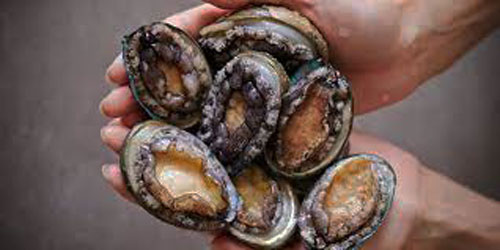 Here are 15 frequently asked questions on small scale Abalone farming:No, abalone are marine animals and require seawater to thrive. They cannot live in freshwater environments. Common species for small-scale farming include *Haliotis rufescens* (Red Abalone), *Haliotis laevigata* (Green Abalone), and *Haliotis midae* (South African Abalone), among others. The choice depends on your location and farming conditions. Abalone are herbivores, primarily feeding on algae. You can provide natural marine algae or farmed kelp. Supplemental feed can also be used to ensure they have sufficient nutrients. It can be profitable, but success depends on market demand, farming conditions, and how well you manage costs. It’s important to research local markets and set realistic expectations. Small-scale farming minimizes environmental impact by reducing overfishing of wild populations, using sustainable farming methods, and providing a local, eco-friendly source of seafood. The cost varies based on the system and scale, but it is generally more affordable than large commercial operations. You may need an initial investment in tanks, water systems, and abalone juveniles. Yes, it's possible to start a small-scale farm at home, especially with land-based systems or small tanks. It’s ideal for those looking for a personal or small business venture. Risks include water quality issues, disease outbreaks, and changes in market demand. Proper management and monitoring can help mitigate these risks. Maintain optimal water quality, ensure proper feeding, and regularly check for signs of illness. Using biosecurity measures and proper farm management techniques will reduce disease risk. Abalone can be harvested by carefully removing them from their tanks or natural environment. The process involves detaching them from the rocks or substrates they are attached to and cleaning them before sale or consumption. Yes, many small-scale abalone farmers grow abalone for personal use, enjoying fresh, sustainable seafood without relying on commercial suppliers. Abalone generally thrive in temperatures between 12°C and 20°C (54°F to 68°F). Maintaining stable temperature conditions is crucial to their growth. You can sell abalone to local seafood markets, restaurants, or directly to consumers. Alternatively, you can explore niche markets, such as selling to specialty seafood buyers or for export. Use filtration systems to remove waste, control ammonia, and ensure that oxygen levels stay stable. Regular water quality checks and maintenance are essential to keeping your abalone healthy. Licensing requirements vary by region. It’s essential to check local regulations, including permits related to aquaculture, water use, and environmental protection, before starting a farm. "Want To Raise Healthy Abalone? Get Gerard Dawn's Ebook That Will Guide You On How To Raise Healthy Profitable Abalone For Meat In Your Own Farm Yard Even If You're
|

How To Raise Oysters Contact Us Terms of Use Privacy Policy About Us FAQ Site Map