"Small Scale Shellfish Farming 'The Healthy Profitable Way' For Seafood Even If You're Just Starting Out In Shellfish Farming"
“That's Right, This Is A Beginner's And Advanced Farmers Guide To Raising Prawns, Crawfish, Crabs, Lobsters, Scallops, Oysters Plus Mussels Easily And Avoid Costly Mistakes That Shellfish Owners Are Prone To!"
Date:
Name: Gerard Dawn
Dear Shellfish Farmer,
You've been searching around for information on how to raise shellfish, but you not finding enough guidelines to get you started? Or you have some questions you need answers to when raising shellfish? Well look no further because I've got the answers to all questions you may have to raising your own healthy shellfish.
Small-scale shellfish farming has ancient roots, with early forms of aquaculture emerging independently across coastal cultures thousands of years ago.
Archaeological evidence suggests that Indigenous peoples in the Pacific Northwest and ancient Romans practiced rudimentary oyster cultivation by managing tidal flats and transplanting juveniles to favorable growing areas, though these efforts were largely subsistence-based rather than commercial enterprises.
The transition toward more systematic small-scale farming occurred during the Middle Ages in Europe and Asia, where monastic communities and coastal villagers developed techniques for collecting wild spat and growing shellfish in intertidal zones to supplement diets during fasting periods or lean seasons.
In recent decades, small-scale shellfish farming has experienced renewed interest due to its ecological benefits, low carbon footprint, and alignment with sustainable seafood movements.
Modern small farmers often combine traditional practices with contemporary science, utilizing selective breeding, environmental monitoring, and direct-to-consumer marketing to remain viable.
The Benefits Of Raising Shellfish
Water Quality Improvement: Shellfish are filter feeders that actively remove excess nitrogen, phosphorus, and suspended particulates from the water column, providing a vital ecosystem service that mitigates eutrophication and improves clarity in coastal environments.
Low Carbon Footprint: Unlike finfish aquaculture or terrestrial livestock, shellfish farming requires no external feed inputs, fertilizers, or antibiotics, resulting in minimal greenhouse gas emissions and a highly efficient protein conversion ratio.
Habitat Creation: Farm gear such as racks, bags, and lines creates complex three-dimensional structures that provide shelter, attachment surfaces, and nursery grounds for wild fish, crabs, and other marine organisms, effectively enhancing local biodiversity.
Economic Resilience for Coastal Communities: Small-scale operations provide diversified income streams for fishing families and rural coastal towns, reducing reliance on volatile wild-capture fisheries and keeping economic value within local communities through direct sales and tourism.
As you see there are lots of benefits as to why one would want to raise their own shellfish. When done right shellfish farming can be very rewarding and can bring some good profits as well. But it is very important that you know what you are doing when starting out because you can easily make costly mistakes. So read on...
Raising Shellfish Is Rewarding
There's no doubt that shellfish farming is rewarding that's why it's considered as a multi-billion dollar industry because the demand for shellfish produce is ever growing.
As a beginner farmer you may think it is impossible to learn to how to care for shellfish correctly, but it is not. You too, however, can easily learn how to care for shellfish in order to reach your goals.
Without the right tools and information, it could take you years and cost you a fortune to discover the secrets of successful care of shellfish, however. Instead of spending a fortune on so-called experts or knocking yourself out with the old trial and error method, there is an easier way to achieve your goals.
Now there’s good news ...
I won’t deny that there are a ton of books out there on the elements of the care of shellfish. Unfortunately the problem with most books on the subject is that they are either filled with plenty of promises, no solid techniques and strategies to back up those promises or they contain only one or two pieces of useful information and not a comprehensive look at everything you need to know to succeed.
Introducing...
Small Scale Shellfish Farming
Small-scale shellfish farming represents a harmonious intersection of traditional maritime livelihoods and modern sustainable aquaculture, offering a compelling model for how humans can produce food while actively restoring marine ecosystems.
Unlike industrial aquaculture operations that often rely on external feed inputs and intensive infrastructure, small-scale shellfish farms work within natural tidal rhythms and biological processes, cultivating oysters, mussels, clams, and scallops in ways that enhance rather than deplete coastal environments.
The environmental case for small-scale shellfish farming is perhaps its most defining characteristic. As filter feeders, shellfish continuously process vast volumes of water, removing excess nutrients and particulate matter that contribute to harmful algal blooms and hypoxic conditions.
A single adult oyster can filter up to fifty gallons of water per day, meaning even modest farms provide measurable water quality benefits at the watershed scale.
Despite these advantages, small-scale shellfish farmers face significant challenges including regulatory fragmentation, climate-driven ocean acidification, harmful algal blooms, and competition from imported products with lower labor standards.
Access to suitable lease sites remains contentious in many regions where coastal space is contested among developers, conservationists, and multiple user groups.
Nevertheless, growing recognition of shellfish farming’s dual role as food production and ecological infrastructure is driving policy reforms, research investment, and consumer demand that favor smaller, more sustainable operations.
As coastal communities seek resilient pathways forward in an era of climate uncertainty, small-scale shellfish farming offers a proven, scalable approach that nourishes both people and the sea.
"Small Scale Shellfish Farming" breaks the mold of all the other books you have heard and read about. It presents solid, proven steps to help you learn how to care for shellfish.
With this guide you will discover how to successfully raise:
Prawns
Prawns and shrimp are among the most popular types of seafood. The meat has a sweet, delicate flavor and is considered to be a healthy diet choice . They are a rich source of calcium, protein and antioxidants like selenium.
Prawns belong to the crustacean family, macrobrachium genus and suborder dendrobrachiata. The genus Macrobrachium consists of about 200 species. They resemble shrimp as well as lobster, with narrow body and long legs.
Prawns are salt water creatures but they migrate to fresh water to spawn. There is confusion with regards to terminology, as shrimps are also referred to prawns; but the term prawns should be reserved to the fresh water palaemonids. In United Kingdom and other European countries the term "prawns" is commonly used whereas term "shrimp" is used in North America.
Several different types of prawns are found in both seawater and fresh water and they are also widely farmed in various countries. Freshwater prawn farming is an aquaculture business designed to raise and produce freshwater prawns for human consumption as well as decorative intent.
In detail you will learn:
How To Start Raising Prawns The Biology Of Prawns How To Select A Site For Your Prawns Deciding How Much Water Is Needed Guide To Prawns Broodstock Obtaining And Selecting Egg Carrying Females Holding Your Broodstock In Temperate Zones The Hatchery Phase For Prawns How To Start Your Own Batch The Special Considerations For Recirculation Systems The Greenwater System Of Freshwater Prawn Culture Postlarval Holding And Nursery Phases Holding Post Larvae Before Sale Keeping The Water Quality Good The Grow Out Phase Site Requirements And Construction Choosing The Ponds Area And Shape Constructing The Pond Banks Supplying Water To The Ponds Discharging Water From The Ponds Management Of The Grow-out Phase Monoculture In Temperate Zones Other Forms Of Rearing Prawns Dealing With Problems Of Predation Coping With Diseases And Other Problems Monitoring Performance And Record Keeping Harvesting And Post Harvest Handling Handling Prawns To Be Sold Starting Your Prawn Business How To Market Your Business
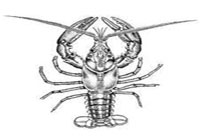
Crawfish
Some find them creepy and shriek back in fear, while others find them tasty and can't wait to get their hands around them. They are found all around the world in fresh water streams, lakes, and rivers, hiding under rocks or burrowed down in mud.
In the U.S. they are known by many names: crayfish in the north, crawdads in most central and eastern parts of the U.S., and crawfish ormudbugs in the south. Australians call them yabbies, while Spaniards know them as cangrejo de río or river crab.
Whatever you call them, crawfish are eaten all over the world and have become an important part of the culinary culture of the southern United States, most especially Louisiana. Louisiana is in fact the largest crawfish producing state in the U.S., responsible for an estimated 98% of U.S. crawfish production.
Crawfish are low in calories, they are also low in saturated fat, are high in HDL cholesterol (that's the good cholesterol), and are a good source of zinc, manganese, phosphorus, vitamin B12, and other vitamins and minerals.
In detail you will learn:
How To Start Raising Crawfish The Different Types Of Crawfish The Biology Of Crawfish Crawfish Population Dynamics Crawfish Production Systems How To Choose The Right Site Location Crawfish Pond Construction Crawfish Pond Water Management Crawfish Management Considerations Guidelines to Crawfish Feeding Crawfish Post Season Care Crawfish Record Keeping Providing A Quality Product How To Start A Crawfish Business The Economics Of Crawfish Farming
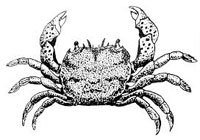
Crabs
When it comes to anything related to nature, sustainability is extremely important. Sustainability is the practice of avoiding exhaustion of natural resources in order to maintain an ecological balance in the world.
One way that sustainability is often put into practice is at crab fisheries. There are many varieties of crabs and they can be found all over the world.
King crab legs, with their snowy white meat and succulent, sweet taste which melts on the tip of your tongue, are most definitely one of the finer things in life. Most restaurants serve the legs as a specialty, given the fullness of each leg and their fresh taste.
There is really no doubt that these are a great tasting delicacy; however, were you aware, that for those looking to shed a few pounds, or even for those that simply want to maintain a healthy lifestyle, Alaska crab legs make a great diet food. The calories in king crab legs are really practically negligible. One large leg contains around 100 calories give or take.
In detail you will learn:
How To Start Raising Crabs The Different Types Of Crab Species The Biology Of Crabs Crab Distribution And Habitat Crab Culture Practice Different Methods of Crab Culture Crab Seed Production Guidelines to Crab Feeding How To Fatten Your Crabs How To Breed Your Crabs Managing the Crab Farm Crab Harvest and Handling How To Start Crab Farming Business How To Deal Diseases and parasites
Lobsters
You may have shopped several times for lobsters and you may have relished a lobster meal as well but you'll be surprised at the things you don't know about these creatures.
Lobsters have been popular in Europe for a very long time. In fact, its reputation as a prize delicacy can be traced to European nobility. Their meat is very healthy, delicious and in great demand.
Surprisingly enough lobsters gained appreciation in America only in the 1900's. It was considered as the "poor mans" food in Canada and was used as fertilizer and for feeding slaves. Things changed only when they began shipping live lobsters from the coasts to the cities.
Lobsters come in varied colors like red, bluish green, yellow and white. You'll also find lobsters with two different colors. You may come across spots on a lobster. The blue lobster is very rare and its blue color is due to a genetic defect. However, blue lobsters, like other specimen turn red when cooked.
In detail you will learn:
The History Of The Lobster Different Kinds Of Lobsters The Biology Of Lobsters How To Get Started In Raising Lobsters Cold Water & Warm Water Lobsters How To Raise Lobsters In Ponds How To Raise Lobsters In Tanks How To Breed Lobsters Guidelines To Lobster Feeding Health Benefits Of Eating Lobsters How To Remove Lobster From The Shell The Basics Of Cooking Lobster Some Healthy Lobster Recipes
Scallops
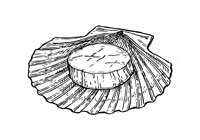
Scallops are one of the most familiar and popular types of seafood. Scallops are related to clams, oysters, and mussels in that they are also bivalve molluscan shellfish. However, with scallops only the adductor muscle that is used to open and close the scallop's shell is sold and eaten in the U.S.
This muscle is the succulent scallop "meats" that are familiar to consumers. Three different types of scallops are commonly sold in seafood markets in the U.S. The largest and most familiar is the Sea Scallop. Bay Scallops are intermediate in size and the smallest are Calico Scallops.
Scallops have a characteristic sweet mild flavor that is well known to most seafood lovers and they are in great demand. Scallops cook very quickly (generally 3 to 5 minutes) and can be prepared by a wide variety of cooking methods such as sautéing, poaching, broiling, baking, and deep-frying.
In detail you will learn:
How To Start Raising Scallops The Different Types Of Scallops The Biology Of Scallops Scallop Spat Collection Scallop Nursery Culture Scallop Grow Out Phases Husbandry And Fouling Control Longline Design And Materials Moorings And Mooring Lines Scallop Farming Site Selection Guidelines to Scallop Feeding How To Deal With Predators And Competitors Economic Considerations And Record Keeping Scallop Products, Bio Toxins & Public Health
Oysters
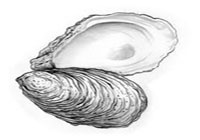
Oysters, like the clams, mussels and scallops are bivalves, which means they have 2 shells that close together with a hinge. Many people think of getting pearls from oysters.
Actually most mollusks that have shells are capable of creating pearls but they are not all valuable. The pearl oysters are the most valuable of all the mollusks but these oysters are not related to the edible variety. Edible oyster can be found on the Atlantic coast in shallow water beds or reefs from Canada to Argentina.
The Pacific version can be found from Washington to Australia. The Eastern oyster is the most popular with the largest production being in the Chesapeake Bay area. Some of the top varieties of the Atlantic are the Blue point, Chincoteague, Malpeque, Cotuit, Apalachicola and the Wellfast.
Oysters are also widely farmed on the Pacific coast and in the Gulf of Mexico with the Pacific area farming by far the largest quantity. Their meat is very tasty and healthy, with great demand.
In detail you will learn:
How To Start Raising Oysters Hatchery Production Oyster Broodstocks Controlling Spawning Oyster Egg Incubation Rearing The Larvae Larval Feeding Larval Performance Managing Potential Diseases Oyster Settlement Oyster Nursery What Are The Algae Requirements How To Reduce Algal Costs Novel Alternatives To Live Algae A Look Into Triploids Main Ongrowing Techniques How To Deal With Predators Competitors And Fouling Organisms Managing Disease Organisms Dealing With Environmental Issues The Technologies And Equipment Employed Oyster Broodstock Holding Algal Culture Unit Larval Culture Vessels How To Select The Right Oyster Site Dealing With Legal And Administrative Issues Non-commercial Oyster Culture
Mussels
Mari culture of bivalves greater importance in meeting the increasing protein demands of the human population. Bivalve groups such as oyster, mussel and clam are the most important cultivable organisms all over the world. Of these, P.viridis and P.indica forms the most dominant cultivable species.
Green mussel shows a rapid growth rate by length of 8mm-13.5mm per month. Under average culture conditions, green mussel and brown mussel attain a length of 80-88mm with 36.5-40g weight and 65mm with 25-40g in 5 months respectively.
The farmed mussels give a better meat yield compared to mussels from the natural bed. The average edible portion of the meat yield is 27.2%- 33.3% of the total weight.
Growth by length and weight are probably the most important criteria for assessing the success of the culture system. The growth of mussel is influenced by a number of environmental factors such as water quality, food availability, settling density, water current and tidal exposure.
Mussels are known to be unisexual. The gonad of mature female can easily be distinguished by its bright orange-red color form that of the male, which is creamy yellow.
In detail you will learn:
How To Start Raising Mussels The Different Types of Mussels The Characteristics of Mussels Methods To Cultivate Mussels Gathering Mussels in Deep Waters Mussel Culture Operations Mussel Post Harvest Operations Growing Mussels in Tanks Guidelines to Mussel Feeding Managing Mussels Diseases Raising Mussel As A Business Mussels Market Demand
And you will get a complete resource that guides you to where you can order your various shellfish and equipment at low prices!
It's All About Profitable Shellfish
I'm sure the reason why you came to this website and are still reading is because you also want to raise profitable shellfish, well look no further cause this ebook only guides you on raising profitable shellfish.
The shellfish you will raise using the guidelines in this ebook will be profitable to you and will get some good returns in investment not forgetting passive income for years to come, which will pass on to your kids and grand-kids. And it can begin now by you talking this first step and getting your copy of "Small Scale Shellfish Farming".
You will save a lot of money from buying farm produce such as meat, and oil when you own shellfish farm. Shellfish farming is a great way to feeding your family with fresh un-processed meat because you can raise your own shellfish for production. And since these shellfish are yours you can feed them with only healthy feed to make sure they produce quality products.
Shellfish can be raised in two ways, the commercial way or organic (traditional) way. Since a lot of people are now turning to eating organic foods most farmers are now raising their shellfish the organic way. Organic meat is healthier than commercially produced meat which is why people like it. It also tastes a lot better. This ebook also covers how to raise your shellfish the organic way. It's all about shellfish farming.
"Look At What Other Farmers Say About Small Scale Shellfish Farming!"
"From Zero Experience to First Harvest"
Hello Sir,
I knew nothing about aquaculture when I bought this ebook, but the step-by-step guidance made starting my oyster farm feel achievable rather than overwhelming.
The chapters on site selection and permitting alone saved me months of bureaucratic confusion and costly mistakes. Within eighteen months, I harvested my first market-ready oysters and sold them directly to local restaurants.
This book doesn’t just teach techniques; it builds confidence through realistic timelines and honest discussions about challenges.
For anyone hesitant to begin, this resource transforms uncertainty into a clear, actionable pathway toward sustainable shellfish farming success.
Thank You!
Collin de Sousa
"Regulatory Clarity Finally Made Simple"
Hi Gerard,
Navigating aquaculture permits nearly derailed my dream until I found this ebook’s dedicated regulatory chapter. It breaks down federal, state, and local requirements into digestible checklists with real-world examples from multiple coastal regions.
I avoided two common application errors that had previously delayed neighboring farms by over a year. The author’s emphasis on proactive agency communication changed how I approach compliance entirely.
Now I manage renewals confidently and even mentor newer farmers through the process. This ebook turned an intimidating legal maze into a manageable, strategic component of my small-scale shellfish farming business foundation.
Accept my thanks!
Tomson Forka
"Profitable Direct Sales Strategies Revealed"
Before reading this ebook, I assumed wholesale was my only option, but the marketing section completely reshaped my revenue model.
Detailed guidance on pricing, branding, food safety documentation, and customer relationship management helped me launch a CSA program that now generates sixty percent of my income at premium margins.
The sample sales scripts and tag templates were immediately useful and professionally polished. I went from barely breaking even to profitable within one season by implementing these direct-to-consumer strategies.
This ebook proves small-scale shellfish farming can be economically viable without sacrificing ecological integrity or personal values.
Thanks!
Mr T. Middleting
"Gear Selection Saved My Investment"
"Choosing wrong gear early on could have bankrupted my fledgling clam farm, but this ebook’s comparative analysis prevented that disaster.
The detailed pros and cons of bags versus trays versus bottom culture, matched to specific species and site conditions, guided me toward equipment that reduced labor by thirty percent while improving survival rates.
Photos and supplier recommendations eliminated guesswork during procurement. Two years later, my gear system still performs flawlessly through storms and biofouling seasons."
This practical, experience-based advice is worth far more than the ebook’s price for any beginner serious about long-term operational efficiency."
Virginia O’Donnell
You can't blame me for strongly believing in my shellfish ebook. I get a lot of feedback from shellfish farmers thanking me and giving me insights on how their shellfish farm is growing. I'm now waiting for yours.
You see, beginner shellfish farmers face a lot of difficulties when raising shellfish. Shellfish is not that difficult to raise if you know how to. The reason why some beginner farmers fail in raising these shellfish is because they don't have enough research on how to raise healthy shellfish.
Many People Don't Know Where To Start!
Don't be one of those people who spend a fortune in getting guidance. This ebook will not only save you time on doing the research needed, but also in your pocketbook.
This guide won't leave you hanging not knowing what to do next. Its a step by step shellfish farming plan that spells out your next step in plain English, you won't need to look for other information or join any other expensive shellfish training course once you have this guide in your disposal.
But that's not all because when you get your copy of "Small Scale Shellfish Farming" you will also receive...
Detailed Guide #1
Shellfish Feeding And Equipment
Shellfish usually need nutritious food regularly to be healthy, happy and contended.
A diet that is high in energy, low in fiber and supplemented with ample of protein is considered ideal and wholesome to ensure the upward and steady growth your shellfish.
Shellfish can not be called shellfish unless they love to eat. Their feeding habits are characterized with rooting and pleading for more food and eating food with a great gusto and relish.
However, in spite of your shellfish being constantly obsessed with the idea of eating food, it does not mean you submit to its obsession.
There is a specific and regulated pattern of feeding and eating habits for your shellfish and before you give your shellfish that extra morsel of food, ponder again!
With this ebook you will discover:
Healthy Shellfish Feeding
The Right Diet For Shellfish
How to Make Your Own ShellFish Feed
Pointers In ShellFish Feeding
Shellfish Feeding Equipment
This is a must have guide for every farmer who wants to proper feed their shellfish, it's a complete ebook to healthy shellfish farming that will ensure that you feed your shellfish the right nutrients from a young age.
+
Detailed Guide #2
Shellfish Pond Design And Equipment
When just beginning in raising shellfish the first thing you have to prepare is pond and fish tank..
Raising shellfish requires you to build a proper pond for them. The pond provides the fish with water where they can swim and keeps them warm in the winter.
A shellfish pond can be designed using light and hard material you may already have in your farm.
The shellfish pond that you will farm your shellfish has to be in protected area so make sure predators would not consume your shellfish.
With this ebook you will discover:
Shellfish Pond Site Selection
Pond Design And Constructionl
Managing Your Fish Pond
ShellFish Culture Method
ShellFish Pond Equipment
With "ShellFish Pond Design And Management" you’ll be amazed at how simple and easy it is to proper build a pond for your shellfish. You will get all the different options to pond building and the required equipment for shellfish farming.
How Much Is That Worth To You?
"Small Scale Shellfish Farming" retails for $267. But today we are offering it to you for only $97. All of the information on starting shellfish farming is simple to understand with images to guide you. You'll never find a guide that guides to on raising various types of shellfish in one ebook.
This guide eliminates the time you will spend searching for incomplete information about raising shellfish. You don't have to purchase a guide on raising musels alone, then buy yet another guide on raising scallops, lobsters, crabs, oysters, prawns and crawfish separately, that will cost you over $900. Just by making a one time investment of $97 you will get all you need to know on raising these various shellfish at a cost of the price.
You've never seen such a good offer, right? But to make you even more comfortable about your investment, I'll offer you my....
My 3 Month Money Back Guarantee!
EFFORTLESSLY START YOUR OWN SHELLFISH FARM 100% AT MY RISK WITH A FULL 90 DAY MONEY-BACK GUARANTEE
If You Serious About Raising Profitable Shellfish Then This Is Your Guide
The cost of living these days is very high and people are looking for ways to save some money at the same time are looking for ways to make some extra income.
Raising your very own shellfish is a great way to provide your family with fresh quality products like meat and oil. On the other hand shellfish farming is a great way to make some money since you can sell the produce for some good profits.
If you serious on becoming a productive shellfish farmer then don't leave this page without getting your copy of this guide.
"Ecological Stewardship as Business Advantage"
Hi Gerard!
This ebook uniquely frames environmental benefits as core business assets rather than optional add-ons, fundamentally changing how I position my mussel farm.
Chapters on quantifying nutrient removal, documenting habitat creation, and accessing ecosystem service payments opened revenue streams I never knew existed.
Grant applications referencing the book’s monitoring protocols have been approved twice, funding expansion without debt. Customers respond passionately to the science-backed sustainability narrative woven throughout.
Small-scale shellfish farming isn’t just production here; it’s regenerative enterprise. This resource taught me to measure, communicate, and monetize ecological value authentically and profitably.
Thank You!
Mr. Paul Morris
"Mentorship Between Every Page"
"Reading this ebook felt like having a seasoned shellfish farmer patiently answering questions at my kitchen table late into the night.
The tone balances technical precision with genuine encouragement, acknowledging setbacks as part of the learning curve rather than failures.
Troubleshooting flowcharts for disease, predation, and poor growth diagnosed issues I’d struggled with for months. Community resource links connected me to regional networks that continue supporting my journey."
More than information, this ebook provides companionship through the isolating early years of small-scale shellfish farming. It’s the mentor every beginner deserves but rarely finds."
Thanks!
David C., Hobbyist Shellfish Farmer
Nothing, Absolutely Nothing, Is Left Out!
When it comes to raising shellfish, it is very important that you know what you are doing so to avoid failures. You have to know how to feed and build a proper pond for your shellfish. You will have to know how to early notice and treat different types of health matters and diseases that will be of harm to your shellfish.
And when it come to shellfish this is the only guide that covers every aspect of raising healthy shellfish. It's a complete guide to being a successful shellfish farmer. So if you want to raise any type of shellfish listed in this site, make sure you have this ebook for guidance and reference. There's no better time to get into this market as a shellfish farmer than now.
P.S. Remember that every oyster, mussel, or clam you grow is actively cleaning the water and creating habitat for wild marine life, meaning your farm isn’t just a business—it’s a living restoration project that customers are increasingly willing to pay a premium for because they can taste and see the difference.
P.P.S The regulatory landscape for small-scale shellfish leases is shifting rapidly in many coastal states and provinces, with new streamlined permitting pathways and ecosystem service incentives emerging right now; getting your site secured and permitted today could position you ahead of both future competitors and rising lease costs as demand for sustainable aquaculture intensifies.
P.P.P.S You don’t need to figure this out alone—our community of small-scale shellfish farmers shares real-world data on spat survival rates, gear modifications, market pricing, and disease prevention strategies that would take years to learn through trial and error, so joining now gives you immediate access to collective knowledge that directly protects your investment and accelerates your path to profitability.
"The Next Step Is Yours". Grab this one of its kind shellfish ebook that will guide you on how to be a successful shellfish farmer today, don't waste anymore of your time trying to find incomplete information on raising shellfish, get your Small Scale Shellfish Farming just by investing in this guide.....
Yes, Gerard I Too Want To Raise Profitable Shellfish!
Yes, I Want Instant Download To This Ebook!
Yes, I Want It Now While It's Only $97!
(Important) I understand that this is an 196 page electronic book (e-book) that is downloaded and delivered in PDF format not by mail. It can be read or printed out from any computer that has adobe reader (immediately after payment). The download link will be sent to your Paypal or Clickbank email address.
I understand that this ebook will guide me to raise healthy shellfish even if I'm an absolute beginner and haven't tried raising shellfish before.
And I understand that by making a one time investment I will receive the following shellfish ebooks:
Small Scale Shellfish Farming - Which will guide me on how to raise various types of profitable shellfish in my very own farm. I will discover how to care for them and profit from their produce.
Shellfish Feeding And Equipment - This is a complete ebook on how to proper feed my various shellfish and make sure they get enough nutrients to grow healthy and strong.
Shellfish Pond Design And Management - With this ebook I will get guidelines with dimensions on how to build a pond for my shellfish and make sure they are well protected.
Get the one and only guide to profitable shellfish by adding this guide to your cart below and make a one-time Investment.
You will then be redirected to the secure members area where you will get immediate access to download your "Small Scale Shellfish Farming" ebook plus the two detailed guides. Another copy will be sent to your e-mail inbox.
Take Advantage Of This Discount Price And Secure Your Copy Now!
Small scale shellfish farming offers sustainable aquaculture solutions for coastal communities by cultivating oysters, mussels, and clams through regenerative ocean practices that improve water quality, enhance marine biodiversity, support local food systems, generate resilient livelihoods, sequester carbon, and meet growing consumer demand for traceable, low-impact seafood while navigating permitting, site selection, hatchery sourcing, and direct-to-consumer marketing strategies essential for profitable small farm operations.
Frequently Asked Questions!
What is small-scale shellfish farming?
Small-scale shellfish farming is the cultivation of bivalve mollusks like oysters, mussels, and clams in coastal or intertidal zones using low-impact, often family-operated methods that prioritize ecological balance and local markets over industrial volume.
Which shellfish species are best for beginners?
Pacific oysters and blue mussels are generally recommended for new small-scale farmers due to their hardiness, well-documented culture techniques, wide market acceptance, and relatively forgiving environmental tolerances compared to more sensitive species like geoducks or scallops.
How much capital is needed to start a small shellfish farm?
Startup costs typically range from $10,000 to $50,000 depending on site conditions, gear type, and permitting complexity, covering lease fees, seed stock, grow-out equipment, basic vessels, and initial regulatory compliance expenses before first harvest revenue.
Do I need a permit to farm shellfish?
Yes, virtually all jurisdictions require multiple permits including aquaculture leases, water quality certifications, tidal land use approvals, and sometimes endangered species consultations, with processing times ranging from months to years depending on location and agency coordination.
How long does it take to grow shellfish to market size?
Market-size timelines vary significantly by species and region but generally range from 18 months for fast-growing oysters in warm waters to three or four years for clams and scallops in cooler climates, requiring patient cash flow planning.
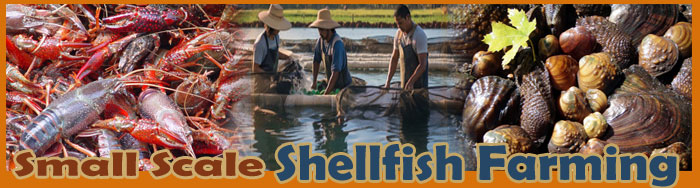
 Water Quality Improvement: Shellfish are filter feeders that actively remove excess nitrogen, phosphorus, and suspended particulates from the water column, providing a vital ecosystem service that mitigates eutrophication and improves clarity in coastal environments.
 Small-scale shellfish farming represents a harmonious intersection of traditional maritime livelihoods and modern sustainable aquaculture, offering a compelling model for how humans can produce food while actively restoring marine ecosystems.
 Prawns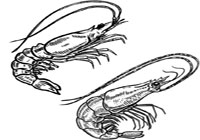
 How To Start Raising Prawns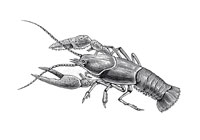

 Shellfish Feeding And Equipment
 Shellfish Pond Design And Equipment







 What is small-scale shellfish farming?