
Scallop Farming For Self Sufficiency Frequently Asked Questions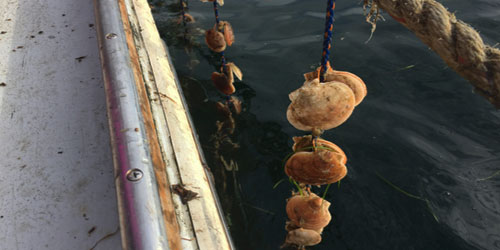 Here are 15 frequently asked questions on scallop farming for self sufficiency:You can collect wild spat from natural beds (if permitted) or purchase juvenile scallops from hatcheries or aquaculture suppliers. No, it's one of the easiest forms of aquaculture because scallops don’t require feeding and thrive with minimal maintenance once established. Depending on species and environment, bay scallops can reach harvestable size in 12–18 months under good growing conditions. Regulations vary by location—some areas allow small-scale farming without permits, while others require registration or permission from local authorities. Scallops require clean, well-oxygenated saltwater with moderate currents, stable temperatures, and low pollution levels to thrive. No, scallops are marine animals and cannot survive in freshwater environments for extended periods. Use enclosed mesh bags or nets and avoid placing gear directly on the seabed to reduce predation from crabs, starfish, and fish. No, scallops are filter feeders that naturally consume plankton from the water, so no supplemental feeding is necessary. Weekly inspections for biofouling, predator activity, and water conditions are recommended to ensure scallop health and optimal growth. Issues include poor water quality, disease outbreaks, equipment failure, and loss due to storms or predators if not properly managed. Yes, as filter feeders, scallops remove excess nutrients and particulates from the water, contributing to cleaner, healthier marine environments. Most small-scale farmers spend 1–3 hours weekly on maintenance tasks like cleaning nets, checking gear, and monitoring growth. Yes, it has a low environmental impact and supports sustainable living by providing organic seafood without depleting wild populations. If regulations allow, surplus scallops can be sold locally, offering a potential side income alongside personal consumption. Look for online guides, aquaculture extension programs, local fisheries offices, or community workshops that offer beginner-friendly resources and training. "Want To Raise Healthy Scallops? Get Gerard Dawn's Ebook That Will Guide You On How To Raise Healthy Profitable Scallops For Meat, In Your Own Farm Yard Even If
|

How To Raise Scallops Contact Us Terms of Use Privacy Policy About Us FAQ Site Map