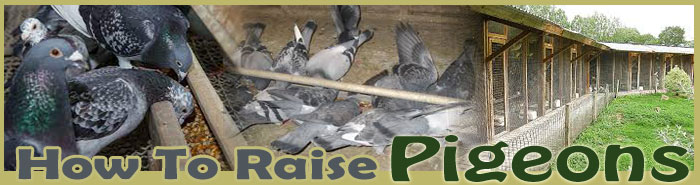
Pigeon Farming For Self Sufficiency Frequently Asked Questions Here are 15 frequently asked questions on pigeon farming for self sufficiency:Yes, pigeons adapt well to urban environments as long as you provide a secure, quiet loft and follow local regulations. A healthy pair can lay eggs every 4–6 weeks and raise squabs year-round under proper conditions. Both! Pigeons lay eggs regularly, but they’re especially valued for their tender, nutritious squab meat. They coo softly, which most people find pleasant—much quieter than chickens or geese. Begin with at least two pairs (4 birds) to allow breeding while maintaining genetic diversity. Use strong wire mesh, secure latches, elevated lofts, and regular monitoring to protect your flock. Yes, pigeon manure is rich in nitrogen and phosphorus, making it an excellent organic fertilizer for plants. Squabs are typically ready for harvest at around 4 weeks old when they reach full size but remain tender. Check local zoning laws, as some cities or neighborhoods may regulate pigeon keeping or require permits. Yes, homing pigeons have a natural instinct to return to their loft, making them great for racing or messaging too. Clean droppings daily, replace bedding weekly, and disinfect the loft monthly to prevent disease. Yes, selecting meat breeds like King pigeons or Mondains improves yield and quality of squab meat. With proper shelter and nutrition, pigeons can breed year-round, though they may slow down in extreme weather. It provides fresh protein, fertilizer, and potential income without relying on commercial systems or large land use. Absolutely—it uses minimal resources, supports circular gardening practices, and offers long-term food independence. "Want To Raise Healthy Pigeons? Get Gerard Dawn's Ebook That Will Guide You On How To Raise Healthy Profitable Pigeons For Meat Or Eggs, In Your Own Farm Yard Even If You're Just Starting Out In Pigeon Farming..."
|

How To Raise Pigeons Contact Us Terms of Use Privacy Policy About Us FAQ Site Map