
Raising Peafowls Frequently Asked Questions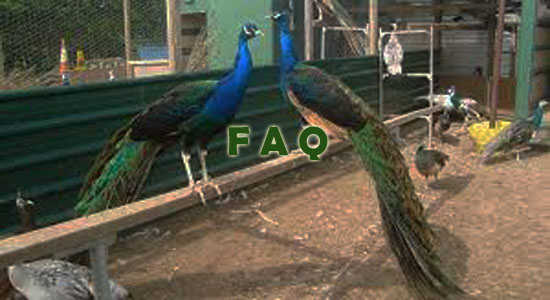 Here are 15 frequently asked questions about raising peafowl:Peafowl, specifically the Indian Peafowl, are known for their striking plumage, especially the males (peacocks) with their iridescent tail feathers. They are large, ground-dwelling birds that are social and can often be found in small flocks. How To Raise Peafowl The peacock's colorful tail, or train, serves primarily as a display for attracting mates. During courtship, the male fans out his feathers to showcase their vibrant colors and eye patterns, which can indicate health and vitality. 12 Things To Know Before You Start Raising Peafowl Peahens are generally more reserved than peacocks. While peacocks engage in elaborate displays, peahens focus on nesting and caring for their young. They are responsible for selecting mates based on the displays of the males. Peachicks require a warm and safe environment. Provide them with a heat source, such as a heat lamp, and ensure they have access to clean water and a high-quality starter feed. They should be kept away from potential predators and handled gently to reduce stress. Yes, peafowl can be raised alongside other poultry, but it is important to monitor their interactions. They are generally compatible with chickens and ducks, but care should be taken to ensure that the peafowl are not bullied or stressed by more aggressive birds. Peafowl are known for their loud calls, which can be heard over long distances. Their vocalizations serve various purposes, including alerting to danger, establishing territory, and communicating with mates and their young. Peafowl prefer to roost in high places to avoid predators. They will often choose trees or elevated structures. Providing a secure roosting area is essential for their safety and well-being. Peafowl should be fed a balanced diet that includes high-quality poultry feed, grains, fruits, and vegetables. They are omnivorous and can also benefit from insects and small animals as part of their diet. Peahens usually lay between 3 to 7 eggs per clutch during the breeding season, which typically occurs in spring. The eggs are often laid in a ground nest, and the incubation period lasts about 28 days. Yes, peafowl feathers can be collected, especially after molting. To care for feathers, clean them gently with a damp cloth, avoid harsh chemicals, and store them in a cool, dry place to prevent damage. Common predators include foxes, raccoons, and birds of prey. To protect peafowl, secure their enclosure with fencing, provide hiding spots, and consider using motion-activated lights or alarms to deter predators. Yes, peafowl meat is considered a delicacy in some cultures and is known for its unique flavor. However, it is not commonly found in mainstream markets due to limited production compared to other poultry. Basic requirements for raising peafowl include providing a spacious and secure enclosure, a balanced diet, access to clean water, appropriate shelter, and opportunities for social interaction and foraging. The ideal size for a peafowl aviary pen should be at least 100 square feet per bird, allowing ample space for movement and flight. Higher enclosures with branches or perches are also beneficial for their well-being. Yes, peafowl can be allowed to roam free in a secure area. However, it is important to monitor them for predators and ensure they have access to shelter and food. Free-ranging also allows them to engage in natural foraging behaviors. Peafowl need a secure shelter that provides protection from the elements and predators. A simple structure with adequate ventilation, perches, and bedding is sufficient, and it should be large enough to accommodate the entire flock comfortably. In cold weather, ensure that peafowl have access to a warm, dry shelter. Providing extra bedding can help insulate them. Monitor their health closely, as they may require additional food to maintain energy levels during colder months. Effective pest control methods include maintaining a clean environment, using natural deterrents like diatomaceous earth, and ensuring proper sanitation to minimize pests. Regular inspections for signs of infestation are also important. To successfully breed peafowl, select healthy breeding pairs and provide a suitable nesting area. Ensure the females are in good condition to lay eggs, and monitor their behavior for signs of courtship. Incubate the eggs properly for optimal hatch rates. The average lifespan of a peafowl in captivity is around 15 to 20 years, though some may live longer with proper care and management. For a small flock of peafowl (about 3-5 birds), a pen should be at least 300 square feet. This allows adequate space for movement and prevents stress among the birds. Regular maintenance for peafowl includes cleaning their living area, providing fresh water and food daily, monitoring their health, and inspecting for signs of disease or injury. Seasonal checks for shelter condition are also important. Essential aspects of peafowl care include providing a balanced diet, ensuring clean water, maintaining a safe and spacious environment, and regular health checks. Social interaction and mental stimulation are also crucial for their well-being. Foraging is very important for peafowl as it allows them to engage in natural behaviors and provides them with a varied diet. Allowing peafowl to forage can improve their overall health and happiness. For young peafowl, a high-quality game bird starter feed is recommended, as it provides the necessary protein and nutrients for growth. It should be supplemented with fresh fruits and vegetables as they mature. Yes, peafowl can fly short distances, especially males. This ability affects their care as they require adequate enclosure height to prevent escape and should have trees or high perches in their environment for roosting. During molting, peafowl shed old feathers to make way for new ones. This process typically occurs annually and can last several weeks. It is normal and usually does not require special care beyond regular maintenance. To protect peafowl from predators, use secure fencing, cover the top of the pen, and provide hiding spots within the enclosure. Regularly checking for signs of predators can also help ensure their safety. Peahens typically build their nests in sheltered areas on the ground, often using grass and other materials to create a safe spot for laying eggs. Providing nesting boxes or designated areas can encourage proper nesting behavior. Breeding pea fowls involves providing a suitable environment for mating and nesting. Ensure that pairs have access to nesting sites and that the environment supports their reproductive needs. The lifecycle includes several stages: egg, chick, juvenile, and adult. Peafowl lay eggs in nests, and the chicks are precocial, meaning they are relatively mature and able to walk shortly after hatching. Pea fowls can be shy and may not tolerate frequent handling. Interaction should be minimal and focused on their health and care needs. Approach them calmly and avoid sudden movements. Regularly clean their living area to manage waste and prevent buildup. Manure can be composted or used as fertilizer. Proper waste management helps maintain a healthy environment. Provide shelter that protects them from cold and wet conditions. Ensure they have access to dry bedding, and monitor their health closely to prevent cold-related issues. Benefits include their ornamental value due to their striking plumage, their role in pest control, and their potential as a unique addition to a farm or garden. Young pea fowls need a warm, secure environment with appropriate food and water. They require special care to ensure they grow healthy and strong, including proper heat and protection from drafts. Challenges include managing their diet and health, providing adequate space and shelter, and preventing predation. Peafowl are also sensitive to changes in their environment and may require careful monitoring. Regulations may vary by location and can include guidelines for animal welfare, housing standards, and noise control due to their loud calls. Check local and national regulations to ensure compliance with any legal requirements for raising pea fowls. "Want To Raise Healthy Peafowl? Get Gerard Dawn's Ebook That Will Guide You On How To Raise Healthy Profitable Peafowl For Meat Or Eggs, In Your Own Farm Yard Even
|

How To Raise Peafowl Contact Us Terms of Use Privacy Policy About Us FAQ Site Map