
Small Scale Partridge Farming Frequently Asked Questions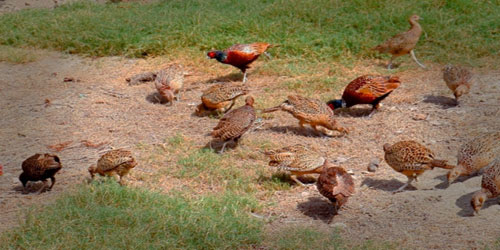 Here are 15 frequently asked questions on small scale partridge farming:No, they thrive in simple, predator-proof enclosures with adequate ventilation and protection from weather—no elaborate coops required like with chickens. Yes, they are low-maintenance, disease-resistant birds that eat less than chickens and don’t require constant attention, making them great for part-time farmers. Most partridges reach market weight in 14–16 weeks, offering a quick return on investment for small-scale meat producers and self-sufficient homesteaders. Yes, partridges naturally forage for insects and weeds, making them excellent helpers in organic gardens and orchards when managed properly. Yes, species like the grey partridge lay eggs during breeding season, providing a secondary food source alongside meat production for small farmers. Partridges eat around 20–30 grams of feed per day, significantly less than chickens, which makes them cost-effective for small-scale and budget-conscious farmers. While young chicks need starter feed, adult partridges can supplement their diet with seeds, vegetation, and insects, reducing reliance on store-bought feed. No, partridges are relatively quiet birds, making them a discreet and neighbor-friendly option for backyard farming in residential areas. Use strong wire mesh enclosures, covered runs, and secure nighttime housing to keep out raccoons, foxes, and birds of prey common to small farms. Yes, partridge droppings are rich in nutrients and can be composted for use in vegetable beds, supporting a closed-loop system on small homesteads. Check local ordinances, but many municipalities allow keeping partridges due to their quiet behavior and minimal impact compared to other poultry. Start by sourcing healthy chicks or eggs, building a secure enclosure, and following a feeding and care plan suited to your climate and goals. Chukar and grey partridges are adaptable and can thrive in cold, temperate, and semi-arid environments, making them versatile for many regions. Yes, with proper nesting conditions and brooding setup, you can maintain a self-replenishing flock and reduce the need to buy new stock annually. Look for guides, online forums, and communities focused on backyard farming, homesteading, and sustainable living to gain knowledge and connect with others. "Want To Raise Healthy Partridges? Get Gerard Dawn's Ebook That Will Guide You On How To Raise Healthy Profitable Partridge For Meat Or Eggs, In Your Own Farm
|

How To Raise Partridges Contact Us Terms of Use Privacy Policy About Us FAQ Site Map