
Raising Mealworms Frequently Asked Questions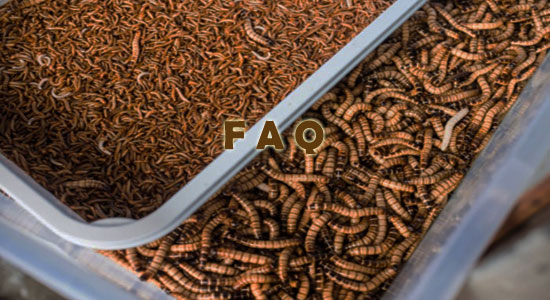 Here are 15 frequently asked questions about raising mealworms:Mealworms are commonly raised as a high-protein food source for various pets like reptiles, birds, and small mammals. They are also used in classrooms for educational purposes and, in some cases, for human consumption in sustainable food products. How To Raise Mealworms Mealworms go through four life stages: egg, larva (mealworm), pupa, and adult beetle. The adult beetles reproduce, laying eggs that hatch into new mealworms, making them essential for maintaining a continuous colony. 12 Things To Know Before You Start Raising Mealworms Yes, mealworms are popular for feeding various exotic pets like reptiles, amphibians, and some small mammals. They are a nutritious and widely accepted live food source. Yes, sugar gliders enjoy mealworms as a treat. However, they should be fed in moderation due to their high-fat content, which can contribute to obesity if overfed. Yes, mealworms are a healthy treat for skunks and provide enrichment through foraging. They should be given sparingly to avoid an imbalance in diet. Mealworms are a great source of protein for chickens, particularly during molting when they need extra nutrients to regrow feathers. They can be given as a treat or supplement to a balanced diet. Mealworms can be given to hedgehogs as a treat, though they should be limited because of their fat content. Hedgehogs enjoy foraging for them, making mealworms a good source of enrichment. Mealworms are high in protein, easy to digest, and have a mild taste, making them an appealing food source for various pets. They’re also easy to raise in captivity, providing a steady, reliable food supply. To start a mealworm colony, you’ll need a plastic container, bedding such as bran or oats, and a moisture source like slices of raw potato. Introduce mealworms, and ensure regular maintenance to support breeding and growth. Mealworms typically reach the adult beetle stage in about 10-12 weeks, depending on temperature and humidity. At this point, they can start reproducing, continuing the colony cycle. Mealworms are an excellent source of protein and can be added to pet food diets for reptiles, birds, and small mammals. They are best used as a supplement to a balanced diet. A plastic enclosure with smooth sides is ideal, as it prevents mealworms from climbing out. The container should have ventilation to reduce moisture build-up, which can cause mold. Bran or oats serve both as bedding and a food source for mealworms. They provide a stable environment, are easy to clean, and are high in nutrients to support growth. Raw potato slices provide moisture for mealworms, which is essential for hydration. They should be replaced regularly to avoid mold growth in the colony. Temperature, humidity, and diet play significant roles in mealworm growth. Warmer temperatures (75–80°F) and a steady diet of bran, oats, and occasional vegetables can support faster growth. Tenebrio molitor is the scientific name for the common mealworm beetle. It’s widely used in pet food, animal feed, and even as a sustainable protein source for humans. Gut-loading involves feeding mealworms nutrient-dense foods before offering them to pets. It enhances their nutritional value, making mealworms an even healthier food source for animals. Yes, mealworms can be given small amounts of vegetables and fruits like carrots and apples. These provide moisture and additional nutrients but should be offered sparingly to prevent mold. While not mandatory, a heating pad can be beneficial in colder climates to maintain the ideal temperature (75–80°F) for mealworm growth and reproduction. Temperature directly impacts the growth and breeding rates of mealworms. Maintaining a stable environment between 75–80°F supports healthy development and maximizes production. Handle mealworms gently to avoid injury. Use sieves or screens to separate them from their substrate. Regularly sort through the mealworms to ensure they are healthy and remove any dead or unhealthy individuals. Mealworms breed by providing a habitat with both larvae and adult beetles. Beetles lay eggs in the substrate, which hatch into larvae. Ensure proper conditions for egg laying and larvae development. The lifecycle includes four stages: egg, larva (mealworm), pupa, and adult beetle. The entire lifecycle takes about 2-4 months, depending on temperature and food availability. Harvest mealworms by sifting through the substrate and collecting them. Separate the mealworms from the substrate and ensure they are clean before use or sale. Benefits include their use as a high-protein feed for pets, poultry, and fish. Mealworms are also easy to farm, require minimal space, and have a relatively low environmental impact. Prevent pests by maintaining a clean environment, ensuring proper ventilation, and using airtight containers. Regularly inspect for signs of pests and take action to address infestations promptly. Optimal conditions include maintaining a temperature range of 70-80°F (21-27°C), keeping the substrate dry, and providing a consistent food source. Proper ventilation and cleanliness are also important. Prepare mealworms for sale or use by cleaning them thoroughly and ensuring they are in good health. Package them in clean, ventilated containers to prevent overcrowding and stress. Regulations vary by location and may include guidelines for food safety, hygiene, and pest management. Check local regulations to ensure compliance with legal requirements for mealworm farming. "Want To Raise Healthy Mealworms? Get Gerard Dawn's Ebook That Will Guide You On How To Raise Healthy Profitable Mealworms For Food, In Your Own Farm
|

How To Raise Snails Contact Us Terms of Use Privacy Policy About Us FAQ Site Map