
Raising Geese Frequently Asked Questions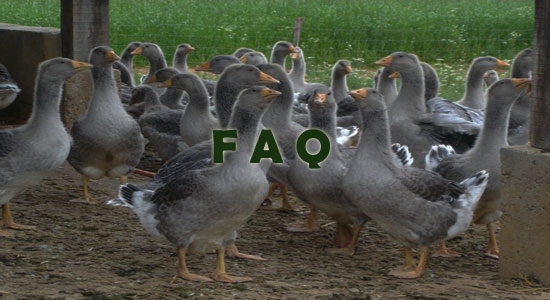 Here are 15 frequently asked questions about raising geese:Successful geese farming requires adequate space for grazing and foraging, proper housing for shelter, a balanced diet, access to clean water, and a safe environment to protect against predators. Regular health checks and vaccinations also help maintain a healthy flock. How To Raise Geese Yes, geese can be raised in a backyard setting, provided there is enough space for them to roam and forage. It is important to ensure that the local zoning regulations allow for poultry farming and to provide appropriate housing and care for the geese. 12 Things To Know Before You Start Raising Geese Geese typically lay between 20 to 50 eggs per year, depending on the breed and individual health. Some breeds, like the Chinese and Embden geese, are known for their higher egg production. The Embden and Toulouse geese are popular breeds for meat production. They are known for their size, growth rate, and the quality of their meat, making them excellent choices for farmers looking to raise geese for meat. Popular goose breeds for farming include the Embden, Toulouse, Chinese, African, and Pilgrim geese. Each breed has unique characteristics, such as size, egg production, and temperament, which can influence a farmer's choice. Goslings require a warm, dry brooder with proper heat sources, a balanced starter feed, and access to clean water. They should be kept in a safe environment to protect against predators and given space to move and develop properly. Yes, geese are known for their protective nature and can effectively guard other poultry, such as chickens. They are alert and can deter potential predators, making them valuable additions to a mixed poultry farm. Foraging is essential for geese as it provides them with natural nutrients and promotes their overall health. Geese enjoy grazing on grasses, weeds, and other vegetation, which helps reduce feeding costs and encourages natural behaviors. Yes, geese can be beneficial for lawn maintenance as they graze on grass and weeds, helping to keep the lawn trimmed. They can serve as natural lawn mowers while also providing fertilizer through their droppings. Niacin is essential for the growth and development of geese, particularly for their legs and overall health. Supplementing their diet with niacin, especially during the early stages of life, can prevent leg issues and support proper growth. An ideal gosling brooder should be warm, dry, and spacious, with a heat source to maintain a temperature of around 90°F (32°C) for the first week. It should include clean bedding, access to water, and a starter feed appropriate for young geese. To keep geese safe from predators, install predator-proof fencing that is at least 4-6 feet high and buried a foot underground to prevent digging. Additionally, consider using netting or wire covers for enclosures to protect them from aerial attacks. Geese are generally social and can be friendly, but they can also be territorial and protective of their space. Proper handling and socialization from a young age can help ensure that they are more docile and comfortable around humans. Common parasites affecting geese include mites, lice, and intestinal worms. Regular health checks, maintaining clean living conditions, providing proper nutrition, and consulting with a veterinarian for deworming and treatment can help prevent infestations. Common health issues include respiratory infections, parasites (internal and external), bumblefoot (foot infections), and nutritional deficiencies. Proper care and preventive measures can minimize these risks. Breeding geese requires providing a quiet, safe environment for nesting. Geese typically breed in the spring, and the female will lay a clutch of eggs. Incubation takes about 28-35 days, depending on the breed. Goslings need a warm, dry brooder with a heat source, clean bedding, and access to water and starter feed. As they grow, they can gradually be introduced to the outdoors and grazing. Geese can often be raised with other poultry, such as ducks or chickens, but it's important to provide enough space to avoid aggression and ensure all species have access to their specific dietary and environmental needs. Benefits include their ability to control weeds, provide meat and eggs, and serve as natural guards due to their loud honking. Geese are also relatively low-maintenance compared to other poultry. Challenges include their need for space and water, potential aggression during breeding season, and the need to protect them from predators. Geese can also be noisy, which may be an issue in some settings. Geese typically reach maturity at around 6-8 months of age. They may start laying eggs at this age, although some breeds may take longer to begin laying. Geese should be handled calmly and confidently to avoid stress or aggression. It’s best to approach them slowly and gently, and to hold them securely without causing injury, especially when handling large breeds. Regulations for raising geese may vary depending on your location and purpose (commercial vs. personal use). These can include guidelines on housing, slaughter, and selling products like meat or feathers. It’s important to check local ordinances and obtain any necessary permits. "Want To Raise Healthy Geese? Get Gerard Dawn's Ebook That Will Guide You On How To Raise Healthy Profitable Geese For Meat Or Eggs, In Your Own Farm Yard
|

How To Raise Geese Contact Us Terms of Use Privacy Policy About Us FAQ Site Map