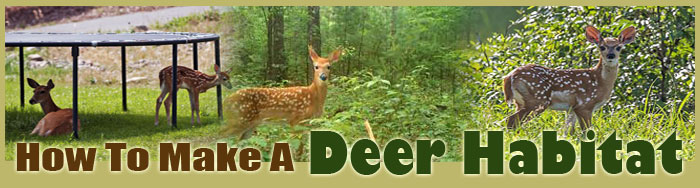
Finally, A Complete Guide That Shows You.... "How To Make A Deer Habitat 'The Healthy Profitable Way' For Meat, Leather Or Antlers In Your Own Farm Yard Even If You're Just Starting
|
 One major benefit is 'efficient land use', as deer are well adapted to forested, hilly, or marginal lands where traditional livestock may struggle, allowing farmers to utilize space that might otherwise go unused.

|
"From Confusion to Clarity in Deer Habitat Building" Before I found *How to Make a Deer Habitat*, I was completely overwhelmed by the idea of turning my land into a deer-friendly space. I had no idea where to start—what plants to use, how high the fence should be, or even if I was allowed to do any of it legally. This ebook changed everything. It gave me a clear roadmap with step-by-step instructions that made sense, even for a total beginner like me. The author breaks down complex topics like habitat zoning and food plot planning without using technical jargon, making it easy to follow along. Within months of applying what I learned, I noticed more deer activity on my property than ever before. Now I have a thriving little habitat that supports both wild visitors and my small farmed herd. Thank you again! Michael Haywood. |
|
"A Game-Changer for Landowners Seeking Wildlife Harmony" Gerard, I bought this ebook hoping to attract more deer to my rural property for observation and photography—not necessarily for farming—but I got so much more than I expected. *How to Make a Deer Habitat* is packed with practical insights that apply whether you're raising deer for meat, hunting, or just enjoying their presence. What impressed me most was how the guide emphasizes balance—teaching you how to create spaces that benefit not just deer but the entire ecosystem. I followed the advice on native plant selection and shelter zones, and now my land feels like a true wildlife sanctuary. If you want to support deer naturally and ethically, this book is an invaluable resource. Steve Chapell. |
|
"My Homesteading Dream Took Off With This Guide" As someone transitioning into homesteading, I knew I wanted to raise deer for meat but didn’t know how to create the right environment. That’s when I came across *How to Make a Deer Habitat*. This guide was exactly what I needed—it taught me how to work with my land instead of against it. The chapters on fencing, water access, and seasonal feeding were especially helpful. I was even able to repurpose parts of my existing garden into productive food plots. Best of all, the information is organized in a way that builds confidence and competence, making it perfect for beginners. Thanks to this ebook, my deer are healthy, happy, and thriving. Thank you! Larry Hackett. |
|
"Practical Advice That Works in Real Life" I’ve read several guides on deer management, but none have been as hands-on and effective as *How to Make a Deer Habitat*. The author clearly understands the real-world challenges of setting up a habitat—from budgeting materials to dealing with predators. Every chapter is filled with actionable steps that don’t require expert-level knowledge or expensive equipment. I particularly appreciated the troubleshooting tips, which helped me avoid costly mistakes early on. Whether you’re starting from scratch or enhancing an existing space, this book gives you the tools and confidence to succeed. I now have a well-designed deer habitat that supports both wildlife and my personal goals. Alexandra Bailey. |
Many People Don't Know Where To Start!
Don't be one of those people who spend a fortune in getting guidance. This ebook will not only save you time on doing the research needed, but also in your pocketbook.
This guide won't leave you hanging not knowing what to do next. Its a step by step deer farming plan that spells out your next step in plain English, you won't need to look for other information or join any other expensive deer farming training course once you have this guide in your disposal.
But once you decide to get your copy today you will also receive these following detailed guides...
Detailed Guide #1
|
Deer usually need nutritious food regularly to be healthy, happy and contended. A diet that is high in energy, low in fiber and supplemented with ample of protein is considered ideal and wholesome to ensure the upward and steady growth of deer. Deer can not be called a deer unless it loves its food. Its feeding habits are characterized with rooting and pleading for more food and eating food with a great gusto and relish. However, in spite of your deer being constantly obsessed with the idea of eating food, it does not mean you submit to its obsession. There is a specific and regulated pattern of feeding and eating habits for your deer and before you give your deer that extra morsel of food, ponder again! With this ebook you will discover:
This is a must have guide for every farmer who wants to proper feed their deer, its a complete ebook to healthy deer farming that will ensure that you feed your deer the right nutrients from a young age. |
+
Detailed Guide #2
|
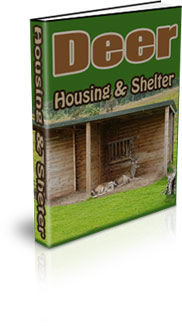
When just beginning in raising deer the first thing you have to prepare is land and housing. Raising deer requires you to build a proper house for them. The housing provides the deer with shade from the hot sun and keeps them warm in the winter. Deer house can be designed using wire, fencing hardware and hay. And house should be well ventilated as well and be kept clean. Believe it or not but deer are clean animals and don't like to defecate their own pens but that doesn't mean you can't help them out. With this ebook you will discover:
With "Deer Housing And Shelter" you’ll be amazed at how simple and easy it is to proper house your deer. You will get all the different options to housing and the required equipment for deer farming. |
How Much Is That Worth To You?
"How To Make A Deer Habitat" retails for $167. But today we have reduced our price to get you started and are offering it to you for only $47. All of the information on raising healthy deer is simple to understand with images to guide you. You'll never find a guide that guides to on raising deer in one ebook.
This guide eliminates the time you will spend searching for incomplete information about raising deer. You don't have to purchase a guide on feeding deer alone, then buy yet another guide on raising young deer and keeping your deer healthy separately, that will cost you over $100. Just by making a one time investment of $47 you will get all you need to know on raising deer at a cost of the price.
You've never seen such a good offer, right? But to make you even more comfortable about your investment, I'll offer you my....
|
My 3 Month Money Back Guarantee! EFFORTLESSLY START YOUR OWN DEER FARM 100% AT MY RISK WITH A FULL 90 DAY MONEY BACK GUARANTEE |


If You Serious About Starting A Deer Farm
Then This Is Your Guide
When getting into deer farming you should get your production goals set before you buy your deer. Will you be raising your deer on pasture? How are you going to manage your deer in the winter seasons? Are you going to pasture your young? You should also consider your costs for each traits.
You should also consider the type of climate you want to raise your deer and the ranch in which you are going to raise your Deer. What are the advantages and disadvantages? Knowing this will help you in planning ahead and reducing the chances of getting unexpected expenses.
So if you are serious about becoming a successful deer farmer, your first step is getting a copy of this guide. Once you get used to how deer are managed you can be sure that you will produce high quality meat plus leather and make a fortune from the deer farming industry.
|
"Empowering Guidance for New Deer Farmers" When I decided to start a small deer farm, I quickly realized there wasn’t much beginner-friendly material available—until I found *How to Make a Deer Habitat*. This ebook has become my go-to reference. It covers everything from legal considerations to micro-habitat design, giving a complete picture of what it takes to create a sustainable environment. I loved the emphasis on working with nature rather than forcing it to fit unnatural systems. The advice on shelter zones and fawn protection was eye-opening and deeply valuable. After following the guide, I successfully raised my first two does and am already planning expansions based on the principles I learned. Kevin Clark. |
|
"A Must-Read for Anyone Interested in Deer" Whether you're a hobbyist, hunter, or aspiring farmer, *How to Make a Deer Habitat* is one of the best investments you can make. The clarity and depth of information are unmatched. I especially appreciate how the book addresses different goals—whether you're building a habitat for conservation, recreation, or food production. Each section builds logically, offering detailed explanations without being overwhelming. I used the guide to create multiple food plots and safe bedding areas, and within weeks, I saw a noticeable increase in deer presence. If you're serious about deer and your land, this ebook will give you the knowledge and inspiration you need to succeed. Jaylen Sharp. |
Nothing, Absolutely Nothing, Is Left Out!
For successful deer farming, it is very important that you know what you are doing so to avoid failures. You have to know how to feed and give proper shelter for your deer. You will have to know how to early notice and treat different types of health matters and diseases that will be of harm to your livestock .
And when it come to deer farming this is the only guide that covers every aspect of raising healthy deer. It's a complete guide to being a productive deer farmer. So if you want to raise healthy deer, make sure you have this ebook for guidance and reference!
 |
 | |
|
(Instant Download)
|
||
 |
 |

Best Regards,

P.S. A well-designed deer habitat doesn’t just attract deer—it keeps them healthy, happy, and thriving on your land, giving you the chance to observe, raise, or harvest with confidence and sustainability.
P.P.S. Whether you're starting from scratch or improving existing land, building a deer-friendly environment is one of the smartest investments you can make for long-term self-sufficiency, wildlife conservation, or even supplemental income.
"The Next Step Is Yours". Grab this one of its kind deer farming ebook that will guide you on how to be a successful farmer today, don't waste anymore of your time trying to find incomplete information on raising deer, get your guide to deer farming just by investing in this guide...
|
| |
|
Yes, Gerard I Too Want To Raise Healthy Deer! Yes, I Want Instant Download To This Ebook! Yes, I Want It Now While It's Only $47!
And I understand that by making a one time investment I will receive the following deer farming ebooks:
Get the one and only guide to successful deer farming by adding this guide to your cart below and make a one-time Investment. You will then be redirected to the secure members area where you will get immediate access to download your "How To Make A Deer Habitat" ebook plus the two detailed guides. Another copy will be sent to your e-mail inbox. Take Advantage Of This Discount Price And Secure Your Copy Now! ============================================= [Option 1] - How To Make A Deer Habitat
============================================= [Option 2] - How To Make A Deer Habitat
|
||
|
|
 - How To Make A Deer Habitat
 - Deer Feeding And Equipment

Deer Farming Industry Overview!
Learn how to make a deer habitat that supports natural behavior and promotes self-sufficiency by providing food plots, shelter, water sources, and secure fencing—essential steps for landowners seeking sustainable deer farming, wildlife conservation, and habitat management on any terrain.
Frequently Asked Questions!
 What is the first step in making a deer habitat?
The first step is assessing your land’s natural resources, including vegetation, water availability, and terrain, to determine what improvements are needed to support deer.
Do I need large acreage to create a deer habitat?
No, even small properties can be optimized for deer by focusing on food, cover, and water—strategic planning allows you to maximize limited space effectively.
What kind of plants attract deer the most?
Deer prefer native shrubs, grasses, forbs, and browse such as clover, alfalfa, blackberry brambles, and acorn-producing trees that provide essential nutrients year-round.
How important are food plots in a deer habitat?
Food plots are highly valuable as they supplement natural forage, especially during winter or drought, offering reliable nutrition and attracting deer to specific areas.
Can I use existing forestland for a deer habitat?
Yes, mature forests can be excellent deer habitats if managed properly—thinning tree stands and promoting understory growth improves forage and bedding opportunities.
How To Raise Deer Home Habitat Small Scale Sufficiency Contact Us Terms of Use Cookie Policy Privacy Policy About Us FAQ Site Map