
Raising Carp Fish Frequently Asked Questions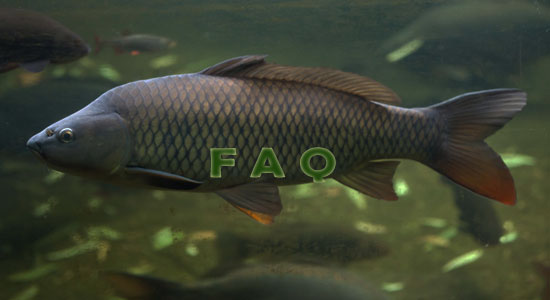 Here are 15 frequently asked questions about raising carp fish:Carp fish farming involves selecting a suitable pond or tank, stocking it with juvenile carp, managing water quality, and providing adequate nutrition. Key factors include regular monitoring of the water, feeding a balanced diet, and maintaining the right stocking density to ensure growth and prevent overcrowding. How To Raise Carp Fish Fish farming, or aquaculture, allows for a controlled environment to breed and raise fish, providing a steady, sustainable supply of seafood. It helps meet the growing demand for fish without depleting wild stocks, making it a more reliable and eco-friendly option than traditional fishing. 12 Things To Know Before You Start Raising Carp Fish The most common types of carp raised in aquaculture are Common Carp, Grass Carp, Silver Carp, and Bighead Carp. Each type has specific traits and dietary preferences, with Grass Carp being primarily herbivorous, while others consume plankton or a mixed diet. Carp farming can be done in various ways, including pond culture, cage farming, and tank systems. Each method has unique requirements for space, water management, and feeding, and the choice depends on location, resources, and farming goals. Carp are omnivorous and thrive on a diet that includes plant-based materials, grains, and protein sources like soybean meal and fish meal. Quality commercial feeds are also formulated to provide balanced nutrition for faster growth and improved health. Carp thrive in warm, freshwater environments with temperatures between 20°C to 30°C (68°F to 86°F). A pond or tank with good water quality, controlled pH levels, and proper oxygenation is essential to support their health and growth. Carp fish farming can be profitable if managed well, with returns from fish sales as well as byproducts. Profitability depends on factors like feed costs, stocking rates, market demand, and effective disease management. Carp fish is a good source of protein, omega-3 fatty acids, and essential vitamins and minerals like B12 and phosphorus. Regular consumption can support heart health, muscle function, and overall nutritional needs. Technologies such as aeration systems, water quality monitoring devices, and automated feeding systems improve carp farming efficiency. Many aquaculture training programs are available globally, providing knowledge on best practices, new technologies, and sustainable methods. Common health issues include parasitic infections, bacterial diseases, and fungal infections. Regular health checks, maintaining good water quality, and proper nutrition help in preventing and managing these issues. Carp breed naturally in warm water during the spring and summer. Males and females spawn in shallow areas with vegetation. Eggs hatch within a few days, and fry are left to fend for themselves. Ensure proper pond management, including regular water quality monitoring, providing adequate aeration and filtration, and controlling algae and predator populations. Maintain a balance of natural forage and supplemental feed. Yes, carp can be raised in tanks or recirculating aquaculture systems. These systems require careful management of water quality, temperature, and feeding to ensure healthy growth. In extreme weather, ensure that carp have access to adequate shelter and maintain stable water temperatures. In cold climates, prevent freezing of water and provide supplementary heating if necessary. Carp provide a source of high-quality protein and can be used for food, bait, or sport fishing. They are also valued for their role in aquaculture systems and can contribute to sustainable food production. Handle carp gently to minimize stress and injury. Use nets or traps to catch the fish and transfer them to a processing area carefully. Challenges include managing water quality, controlling diseases and parasites, and dealing with environmental fluctuations. Proper system design and management practices are crucial for success. Regulations vary by region and may include guidelines on fish stocking, water use, and environmental impact. Check local regulations and obtain any necessary permits or licenses for raising carp. "Want To Raise Healthy Carp Fish? Get Gerard Dawn's Ebook That Will Guide You On How To Raise Healthy Profitable Carp Fish For Meat In Your Own Farm Yard Even If You're Just Starting Out In Carp Fish Farming..."
|

How To Raise Catfish Contact Us Terms of Use Privacy Policy About Us FAQ Site Map