
Barramundi Farming For Self Sufficiency Frequently Asked Questions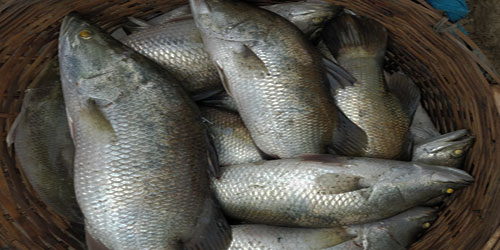 Here are 15 frequently asked questions on Barramundi farming for self sufficiency:Barramundi should be fed high-quality, balanced fish feed containing protein, fats, and essential nutrients. Commercial fish feed specifically designed for Barramundi or other carnivorous fish is recommended. Barramundi should be fed 2-3 times a day. The amount of feed should be approximately 2-3% of the fish’s body weight, adjusted as the fish grow. Yes, Barramundi are adaptable and can be farmed in both freshwater and brackish water, depending on the environment and local conditions. It provides a reliable, cost-effective, and sustainable source of fresh fish, reduces dependency on commercial markets, and contributes to food security. The water requirements depend on the farm size and system type, but a general guideline is 1000 liters of water per 100 fish, with regular water changes or filtration to maintain water quality. Common challenges include maintaining water quality, controlling disease, managing feeding schedules, and ensuring proper system management to support healthy growth. Yes, Barramundi farming can be done in a small backyard using tanks or smaller aquaculture systems, making it suitable for limited spaces. Regular water testing, proper feed management, and ensuring good hygiene practices in the system can help prevent diseases. Additionally, quarantine any new fish before introducing them to the farm. Barramundi can live up to 10 years, but they are typically harvested within 6 to 8 months once they reach the desired size. While farming for self-sufficiency is usually focused on personal consumption, if selling fish, the income potential depends on the scale of the operation and market demand. Yes, when done sustainably, Barramundi farming can be environmentally friendly by using less water and reducing the need for wild fish harvesting. Closed-loop or recirculating systems further reduce environmental impact. Barramundi can be harvested by carefully netting them from the farming system once they reach the desired size. They should be handled with care to prevent injury. The best methods include using tanks, ponds, or recirculating aquaculture systems (RAS), with RAS being the most efficient in terms of water conservation and fish health management. Regularly check for signs of disease, such as unusual behavior or physical symptoms. Monitor water parameters, feeding patterns, and overall activity to detect any issues early. Yes, Barramundi farming can be scaled up for commercial production. However, for small-scale or personal use, it’s more suited for self-sufficiency and local markets. "Want To Raise Healthy Barramundi Fish? Get Gerard Dawn's Ebook That Will Guide You On How To Raise Healthy Profitable Barramundi Fish For Meat In Your Own
|

How To Raise Salmon Contact Us Terms of Use Privacy Policy About Us FAQ Site Map