Finally A Complete Guide That Shows You How To Start...
"Livestock Farming For Self Sufficiency 'The Healthy Profitable Way' Even If You're Just Starting Out In Farming Livestock For Produce"
“That's Right, This Is A Beginner's And Advanced Farmers Guide To Raising Cattle, Chickens, Sheep, Pigs, Goats, Ducks, Horses Plus Rabbits Easily And Avoid Costly Mistakes That livestock Owners Are Prone To!"
Date:
Name: Gerard Dawn
Dear livestock Farmer,
You've been searching around for information on how to raise livestock, but you not finding enough guidelines to get you started? Or you have some questions you need answers to when raising livestock? Well look no further because I've got the answers to all questions you may have to raising your own healthy livestock.
Livestock farming for self-sufficiency has deep historical roots that stretch back to the earliest days of human civilization when people transitioned from hunter-gatherer societies to agrarian communities around 10,000 years ago.
This Neolithic Revolution marked a fundamental shift as humans began domesticating animals such as sheep, goats, cattle, and pigs in various regions including the Fertile Middle East, Asia, and later the Americas.
These early farmers kept livestock not primarily for commercial profit but to ensure their families had reliable sources of meat, milk, eggs, wool, and labor for plowing fields and transportation.
Modern homesteaders, small-scale farmers, and self-sufficiency advocates now combine traditional knowledge with contemporary understanding of animal welfare, sustainable practices, and efficient small-scale management techniques.
This movement emphasizes raising heritage breeds, implementing rotational grazing, integrating livestock with crop production, and maintaining manageable herd or flock sizes suitable for family-scale operations.
The Benefits Of Raising livestock
Food Security and Independence: Raising your own livestock provides a reliable, direct source of high-quality protein such as meat, milk, and eggs, reducing dependence on volatile commercial supply chains and grocery store prices.
Nutritional Quality and Control: You have complete oversight over what your animals eat and how they are treated, allowing you to produce food free from unwanted hormones, antibiotics, and industrial feed additives, resulting in healthier and more nutritious products for your family.
Economic Savings and Resource Efficiency: Over time, producing your own animal products can significantly lower household food bills, while animal manure serves as a valuable, free fertilizer that enhances soil health and boosts crop yields in an integrated farming system.
Waste Reduction and Sustainability: Livestock can convert kitchen scraps, garden waste, and inedible plant matter into valuable food resources, closing the loop on household waste and promoting a more sustainable, circular approach to living.
Skill Development and Resilience: Managing livestock builds practical, hands-on skills in animal husbandry, veterinary care, and butchery or processing, fostering a deeper connection to nature and increasing personal resilience and self-reliance in times of crisis.
Mental Well-being and Connection: Caring for animals provides a sense of purpose, routine, and companionship, while the physical activity and outdoor engagement associated with farming contribute to improved mental health and a stronger connection to the natural world.
As you see there are lots of benefits as to why one would want to raise their own livestock. When done right livestock farming can be very rewarding and can bring some good profits as well. But it is very important that you know what you are doing when starting out because you can easily make costly mistakes. So read on...
Raising livestock Is Rewarding
There's no doubt that livestock farming is rewarding that's why it's considered as a multi-billion dollar industry because the demand for livestock produce is ever growing.
As a beginner farmer you may think it is impossible to learn to how to care for livestock correctly, but it is not. You too, however, can easily learn how to care for livestock in order to reach your goals.
Without the right tools and information, it could take you years and cost you a fortune to discover the secrets of successful care of livestock, however. Instead of spending a fortune on so-called experts or knocking yourself out with the old trial and error method, there is an easier way to achieve your goals.
Now there’s good news ...
I won’t deny that there are a ton of books out there on the elements of the care of livestock. Unfortunately the problem with most books on the subject is that they are either filled with plenty of promises, no solid techniques and strategies to back up those promises or they contain only one or two pieces of useful information and not a comprehensive look at everything you need to know to succeed.
Introducing...
Livestock Farming For Self Sufficiency
Livestock farming for self-sufficiency represents a return to the foundational principles of human survival, offering a pathway to independence in an increasingly complex and industrialized food system.
At its core, this practice is not about maximizing profit or producing commodities for distant markets but rather about securing a reliable source of nourishment for one’s own household.
By integrating animals such as chickens, goats, sheep, or pigs into a homestead, families can transform their relationship with food from passive consumption to active production, ensuring that every meal is rooted in transparency and care.
The journey begins with understanding that livestock are partners in a closed-loop ecosystem rather than mere units of production. In a self-sufficient model, animals play a critical role in waste management and soil regeneration.
Livestock farming for self-sufficiency is more than just a method of food production; it is a declaration of autonomy, a celebration of traditional skills, and a sustainable way to live in harmony with the land.
As more people seek to reclaim control over their lives and diets, this ancient practice continues to offer a viable and fulfilling solution for modern living.
"Livestock Farming For Self Sufficiency" breaks the mold of all the other books you have heard and read about. It presents solid, proven steps to help you learn how to care for livestock.
With this guide you will discover how to successfully raise:
Cattle
Cattle farming offers a sustainable path to self-sufficiency, providing nutrient-dense meat and dairy for your household. By raising your own herd, you gain control over feed quality and animal welfare, ensuring healthier products than store-bought alternatives. This practice reduces dependency on industrial supply chains while fostering a deeper connection to the land and natural cycles.
Selecting the right breed is crucial for success in small-scale operations. Hardy breeds like Devon or Highland cattle thrive on pasture with minimal supplemental feeding, lowering costs significantly. These animals adapt well to various climates and require less intensive management, making them ideal for beginners seeking resilience and low-maintenance livestock solutions for their homestead.
Proper pasture management ensures long-term sustainability and soil health. Rotational grazing prevents overgrazing, allowing grasses to recover and maintain nutritional value. This method mimics natural herd movements, promoting biodiversity and reducing parasite loads naturally. Healthy pastures mean healthier cattle, reducing veterinary expenses and enhancing overall farm productivity through regenerative agricultural practices that benefit both animals and environment.
Processing and preserving meat extends your self-sufficiency beyond daily consumption. Learning butchery skills or partnering with local processors allows you to stock freezers for year-round nutrition. Dairy products can be transformed into cheese, butter, and yogurt, maximizing every resource. Cattle farming thus becomes a cornerstone of independent living, offering food security, financial savings, and profound satisfaction from producing your own sustenance.
In detail you will learn:
The Case for Cattle in Self-Sufficient Living
Choosing the Right Breed for Your Climate and Goals
Assessing Land Requirements and Pasture Potential
Designing Functional Fencing and Containment Systems
Building Shelters and Handling Facilities on a Budget
Understanding Bovine Nutrition and Forage Management
Implementing Rotational Grazing for Soil Health
Water Systems: Ensuring Clean and Consistent Access
Sourcing Stock: Buying Calves, Heifers, or Cows
Daily Care, Observation, and Routine Health Checks
Breeding Strategies and Calving Management
Natural Health Care and Preventative Medicine
Beef Production: Butchering, Processing, and Storage
Dairy Basics: Milking, Handling, and Product Creation
Economic Sustainability and Scaling Your Herd
Chickens
Chicken farming provides an accessible entry point into self-sufficient living, offering a steady supply of fresh eggs and meat. Raising your own flock ensures you know exactly what your birds eat, resulting in healthier, more nutritious food for your family. This practice reduces reliance on grocery stores while creating a sustainable cycle where kitchen scraps become valuable feed, minimizing waste and lowering household expenses significantly.
Selecting the right breeds is essential for maximizing productivity in small spaces. Dual-purpose varieties like Rhode Island Reds or Plymouth Rocks offer both reliable egg production and quality meat. Consider your climate and space constraints when choosing between bantam or standard sizes. Hardy, docile breeds thrive best in backyard settings, requiring minimal intervention while providing consistent output throughout their laying years.
Proper housing protects your flock from predators and harsh weather conditions. A well-ventilated coop with secure nesting boxes encourages natural behaviors and simplifies daily maintenance. Regular cleaning prevents disease, while ample roosting space promotes healthy sleep patterns. Integrating chickens into garden systems allows them to scratch for pests, naturally fertilizing soil and reducing the need for chemical interventions in your vegetable patches.
Processing meat birds extends your self-sufficiency beyond daily egg collection. Learning humane butchery techniques or partnering with local processors ensures year-round protein availability. Preserving eggs through pickling or freezing maximizes surplus production during peak laying seasons. Chicken farming thus becomes a cornerstone of independent living, offering food security, financial savings, and profound satisfaction from producing your own sustenance directly from your backyard.
In detail you will learn:
The Role of Chickens in a Self-Sufficient Homestead
Selecting the Right Breeds for Eggs, Meat, or Dual-Purpose
Planning Your Coop: Design, Location, and Ventilation
Building Secure Fencing and Predator-Proof Runs
Essential Equipment: Feeders, Waterers, and Nesting Boxes
Understanding Poultry Nutrition and Feed Formulation
Sourcing Chicks: Hatcheries vs. Local Breeders
Brooding Basics: Raising Healthy Chicks to Maturity
Daily Care Routines and Flock Management Strategies
Natural Health Care, Disease Prevention, and First Aid
Maximizing Egg Production and Collection Techniques
Breeding Your Own Flock: Incubation and Hatching
Raising Meat Birds: Growth Rates and Processing Prep
Butchering, Processing, and Preserving Chicken Meat
Integrating Chickens into Garden Systems and Composting
Sheep
Sheep farming offers a versatile path to self-sufficiency, providing wool, meat, and milk from manageable livestock. Their gentle nature makes them ideal for small homesteads, requiring less space than cattle while delivering multiple resources. Raising your own flock ensures high-quality, chemical-free products, reducing dependency on external markets. This practice fosters a deeper connection to natural cycles, promoting sustainable living through renewable resources that regenerate annually with proper care and management.
Choosing the right breed is critical for aligning with your specific goals. Hardy breeds like Dorper or Katahdin thrive on pasture with minimal intervention, ideal for meat production. For wool, Merino or Romney sheep offer superior fiber quality. Dual-purpose breeds provide balanced outputs, maximizing efficiency on smaller plots. Consider local climate conditions and available forage when selecting stock to ensure resilience and low maintenance requirements for long-term success.
Effective pasture management sustains both soil health and flock vitality. Rotational grazing prevents overgrazing, allowing grasses to recover and maintain nutritional value. This method mimics natural grazing patterns, reducing parasite loads and enhancing biodiversity. Supplemental feeding during harsh seasons ensures consistent growth, while mineral access supports overall health. Healthy pastures mean healthier sheep, lowering veterinary costs and increasing productivity through regenerative agricultural practices that benefit the entire ecosystem.
Finally, processing wool and meat extends your self-sufficiency beyond daily care. Learning basic shearing techniques or partnering with local mills transforms raw fleece into usable yarn. Butchering skills or trusted processors ensure year-round protein availability. Sheep milk can be crafted into cheese and soap, maximizing every resource. Sheep farming thus becomes a cornerstone of independent living, offering food security, financial savings, and profound satisfaction from producing your own sustenance directly from your land.
In detail you will learn:
Synergies of Raising Chickens and Sheep Together
Selecting Complementary Breeds for Your Homestead
Land Assessment and Pasture Planning for Mixed Livestock
Designing Integrated Housing and Shelter Systems
Fencing Solutions for Poultry and Grazing Animals
Nutritional Needs: Balancing Grain and Forage Diets
Implementing Rotational Grazing with Chicken Follow-Through
Water Management Systems for Diverse Livestock
Sourcing Stock: Buying Chicks, Pullets, Ewes, and Rams
Daily Care Routines and Health Monitoring Protocols
Natural Health Care, Parasite Control, and Biosecurity
Breeding Strategies: Incubation and Lambing Seasons
Wool Processing, Egg Collection, and Meat Production
Butchering, Processing, and Preserving Farm Products
Economic Sustainability and Scaling Your Mixed Operation
Pigs
Pig farming provides a highly efficient source of meat for self-sufficient homesteads. Pigs convert diverse feed sources into high-quality protein rapidly, making them ideal for utilizing garden surplus and food waste. Raising your own pork ensures control over diet and living conditions, resulting in healthier, flavorful meat. This practice reduces reliance on industrial supply chains while offering substantial yields from relatively small spaces, enhancing food security and sustainability for your household through responsible, localized animal husbandry practices.
Selecting the right breed is crucial for matching your climate and goals. Heritage breeds like Berkshire or Duroc offer superior flavor and hardiness, thriving on pasture with minimal supplemental feeding. Consider temperament and growth rates when choosing stock. Hardy, docile pigs adapt well to various environments, requiring less intensive management than commercial hybrids. These traits make them suitable for beginners seeking resilient livestock that contribute effectively to a closed-loop farming system.
Proper housing and fencing ensure safety and containment for your herd. Sturdy shelters protect against weather extremes, while secure fencing prevents escapes and predator access. Rotational grazing systems maintain soil health and reduce parasite loads naturally. Providing wallows or mud areas supports natural behaviors, promoting animal welfare. Clean, dry bedding minimizes disease risks, ensuring healthy growth. Effective management practices enhance productivity while maintaining ethical standards for humane, sustainable pig farming on your homestead.
Processing pork extends your self-sufficiency beyond daily care. Learning butchery skills or partnering with local processors allows year-round meat availability. Preserving techniques like curing, smoking, and freezing maximize harvest efficiency. Utilizing every part, from lard to bones for broth, minimizes waste. Pig farming thus becomes a cornerstone of independent living, offering significant food security, financial savings, and profound satisfaction from producing nutrient-dense sustenance directly from your land through diligent, respectful stewardship.
In detail you will learn:
The Role of Pigs in a Self-Sufficient Homestead
Choosing the Right Breed: Heritage vs. Commercial Types
Assessing Land Requirements and Zoning Regulations
Designing Secure Fencing and Containment Systems
Building Shelters, Sties, and Wallows for Comfort
Understanding Swine Nutrition and Feed Sourcing
Utilizing Food Waste and Garden Surplus Effectively
Sourcing Stock: Buying Piglets, Weaners, or Breeding Stock
Daily Care, Handling, and Behavioral Management
Natural Health Care, Disease Prevention, and Biosecurity
Breeding Strategies and Farrowing Management
Raising Piglets to Maturity: Growth and Development
Pasture Rotation and Soil Regeneration Techniques
Butchering, Processing, and Curing Pork Products
Economic Sustainability and Scaling Your Herd
Goats
Goats offer versatile self-sufficiency through milk, meat, and land clearing. Their efficient browsing habits make them ideal for small homesteads, converting brush into valuable resources. Raising your own herd ensures chemical-free dairy and protein, reducing grocery dependence while fostering sustainable living practices.
Select hardy breeds like Nubians for milk or Boers for meat. Consider climate adaptability and temperament when choosing stock. Docile, resilient goats thrive with minimal intervention, providing consistent outputs for beginners seeking low-maintenance livestock solutions.
Secure fencing and sturdy shelters protect against predators and weather. Rotational browsing prevents overgrazing, maintaining pasture health. Proper nutrition and mineral access support vitality, reducing veterinary needs through natural management practices that enhance overall farm productivity.
Processing milk into cheese or yogurt extends utility beyond daily consumption. Learning butchery skills ensures year-round protein availability. Goats become a cornerstone of independent living, offering food security, financial savings, and satisfaction from producing your own sustenance directly from your land.
In detail you will learn:
The Versatility of Goats in Self-Sufficient Living
Selecting the Right Breed: Dairy, Meat, or Fiber
Assessing Land, Browse, and Pasture Requirements
Designing Secure Fencing and Predator-Proof Enclosures
Building Shelters, Barns, and Milking Stands
Understanding Caprine Nutrition and Mineral Needs
Sourcing Stock: Buying Kids, Does, or Bucks
Daily Care, Handling, and Herd Management Basics
Natural Health Care, Hoof Trimming, and Disease Prevention
Breeding Strategies and Kidding Management
Raising Kids: Weaning, Growth, and Socialization
Dairy Production: Milking Techniques and Hygiene
Processing Milk into Cheese, Yogurt, and Soap
Meat Production: Butchering and Preserving Goat Meat
Economic Sustainability and Scaling Your Herd
Ducks
Ducks provide eggs, meat, and pest control for self-sufficient homesteads. They thrive on diverse diets, converting garden scraps into nutrient-dense food while reducing insect populations naturally without chemicals.
Select hardy breeds like Pekins for meat or Khaki Campbells for eggs. Consider climate adaptability and temperament when choosing stock to ensure low-maintenance productivity in backyard settings.
Secure fencing and water access are essential for duck welfare. Clean ponds prevent disease, while rotational grazing maintains pasture health and supports natural foraging behaviors effectively.
Processing eggs and meat extends utility beyond daily harvests. Ducks become a cornerstone of independent living, offering food security and satisfaction from producing your own sustainable sustenance directly.
In detail you will learn:
The Role of Ducks in a Self-Sufficient Homestead
Selecting the Right Breed: Layers, Meat, or Dual-Purpose
Designing Secure Coops and Predator-Proof Housing
Water Management: Ponds, Pools, and Drinking Systems
Understanding Duck Nutrition and Feed Requirements
Sourcing Stock: Hatcheries, Local Breeders, and Day-Olds
Brooding Basics: Raising Ducklings to Maturity
Daily Care Routines and Flock Management Strategies
Natural Health Care, Disease Prevention, and Biosecurity
Maximizing Egg Production and Collection Techniques
Breeding Your Own Flock: Incubation and Hatching
Raising Meat Ducks: Growth Rates and Processing Prep
Butchering, Processing, and Preserving Duck Meat
Integrating Ducks into Garden and Pest Control Systems
Economic Sustainability and Scaling Your Duck Operation
Rabbits
Rabbits offer efficient meat production for small homesteads. They reproduce quickly, providing steady protein sources with minimal space requirements. Raising your own ensures chemical-free, lean meat while reducing grocery dependence through sustainable, localized animal husbandry practices.
Select hardy breeds like New Zealands or Californians for meat. Consider temperament and growth rates when choosing stock. Docile, fast-growing rabbits adapt well to various climates, requiring less intensive management than larger livestock for beginners.
Secure hutches protect against predators and weather extremes. Proper ventilation prevents disease, while clean bedding maintains hygiene. Feeding fresh greens and hay supports natural digestion, ensuring healthy growth through simple, low-cost dietary management strategies.
Processing meat extends self-sufficiency beyond daily care. Learning butchery skills ensures year-round protein availability. Rabbits become a cornerstone of independent living, offering food security, financial savings, and satisfaction from producing nutrient-dense sustenance directly from your land.
In detail you will learn:
The Efficiency of Rabbits in Small-Scale Homesteading
Selecting the Right Breed: Meat, Fur, or Dual-Purpose
Designing Functional Hutches and Housing Systems
Predator Protection and Secure Enclosure Strategies
Understanding Rabbit Nutrition: Hay, Greens, and Pellets
Sourcing Stock: Buying Breeding Pairs or Kits
Daily Care Routines and Handling Techniques
Natural Health Care, Disease Prevention, and Hygiene
Breeding Strategies and Managing the Doe’s Cycle
Kitting: Preparing for Birth and Neonatal Care
Raising Kits: Weaning, Growth, and Socialization
Managing Manure for Garden Fertilization
Butchering and Processing Rabbit Meat Humaneley
Preserving Meat and Utilizing Byproducts like Fur
Economic Sustainability and Scaling Your Rabbitry
Horses
Horses provide labor, transportation, and companionship for self-sufficient homesteads. They till soil, haul loads, and reduce reliance on fossil fuels. Raising your own ensures ethical care while fostering sustainable living through renewable animal power rather than mechanical dependence.
Select hardy breeds like Drafts or Mustangs for work. Consider temperament and strength when choosing stock. Resilient, docile horses adapt well to various tasks, requiring less intensive management than specialized machinery for beginners seeking versatile livestock solutions.
Secure fencing and sturdy shelters protect against weather and injury. Proper pasture management prevents overgrazing, maintaining soil health. Regular hoof care and balanced nutrition support vitality, reducing veterinary needs through natural management practices that enhance overall farm productivity.
Training horses for specific tasks extends utility beyond basic care. Learning harnessing skills ensures efficient labor integration. Horses become a cornerstone of independent living, offering food security via reduced costs, financial savings, and satisfaction from producing sustainable power directly from your land.
In detail you will learn:
The Role of Horses in a Self-Sufficient Homestead
Selecting the Right Breed: Draft, Light, or Multipurpose
Assessing Land Requirements and Pasture Management
Designing Secure Fencing and Safe Enclosures
Building Stables, Shelters, and Storage Facilities
Understanding Equine Nutrition and Forage Needs
Sourcing Stock: Buying Foals, Yearlings, or Mature Horses
Daily Care, Grooming, and Hoof Maintenance
Natural Health Care, Disease Prevention, and First Aid
Basic Training and Groundwork for Beginners
Harnessing and Driving for Farm Labor
Riding Skills for Herd Management and Transport
Breeding Strategies and Foal Care Basics
Integrating Horses with Other Livestock and Crops
Economic Sustainability and Long-Term Herd Planning
And you will get a complete resource that guides you to where you can order your various livestock and equipment at low prices!
It's All About Profitable livestock
I'm sure the reason why you came to this website and are still reading is because you also want to raise profitable livestock, well look no further cause this ebook only guides you on raising profitable livestock.
The livestock you will raise using the guidelines in this ebook will be profitable to you and will get some good returns in investment not forgetting passive income for years to come, which will pass on to your kids and grand-kids. And it can begin now by you talking this first step and getting your copy of "Livestock Farming For Self Sufficiency".
You will save a lot of money from buying farm produce such as meat, and oil when you own livestock farm. livestock farming is a great way to feeding your family with fresh un-processed meat because you can raise your own livestock for production. And since these livestock are yours you can feed them with only healthy feed to make sure they produce quality products.
livestock can be raised in two ways, the commercial way or organic (traditional) way. Since a lot of people are now turning to eating organic foods most farmers are now raising their livestock the organic way. Organic meat is healthier than commercially produced meat which is why people like it. It also tastes a lot better. This ebook also covers how to raise your livestock the organic way. It's all about livestock farming.
"Look At What Other Farmers Say About Livestock Farming For Self Sufficiency!"
"From Overwhelmed Novice to Confident Homesteader"
Before reading "Livestock Farming For Self Sufficiency," I was paralyzed by the sheer amount of conflicting information online. I wanted to start raising animals but feared making costly mistakes that could harm my family or my budget.
This ebook changed everything. Gerard Dawn breaks down complex animal husbandry concepts into simple, actionable steps that even a complete beginner can follow.
I started with just three chickens as recommended in the guide, and within months, I was harvesting fresh eggs daily. The section on predator proofing alone saved my flock from a local coyote problem.
Now, I have expanded to include rabbits and goats, all thanks to the confidence this book gave me. It is not just a manual; it is a mentor in printed form.
If you are hesitant about starting your self-sufficiency journey, this is the only resource you need to take that first step with clarity and peace of mind.
Thank You!
Collin de Sousa
"Breaking Free from the Grocery Store Cycle"
I never realized how dependent I was on industrial food systems until I started applying the principles in "Livestock Farming For Self Sufficiency." The economic savings have been staggering, but the quality of life improvement is even more significant.
This ebook guided me through setting up a small-scale pig operation that now provides our family with high-quality pork for the entire year. The advice on feed efficiency and waste reduction helped me cut my operational costs by half compared to what I initially projected.
What I appreciate most is the realistic approach; it does not promise overnight success but offers a sustainable path to independence. My children now understand where their food comes from, and we eat healthier than ever before.
This book is an investment that pays dividends every single week when I skip the meat aisle entirely. It has truly transformed our household economy and our health.
Accept my thanks!
Tomson Forka
"A Blueprint for Integrated Farming Success"
As someone with a background in gardening but zero experience with animals, I was intimidated by the idea of livestock farming. "Livestock Farming For Self Sufficiency" bridged that gap perfectly.
The chapters on integrating livestock with crop production were eye-opening. I learned how to use chicken manure to supercharge my vegetable yields and how ducks could help control pests in my orchard.
The step-by-step instructions for building affordable habitats were clear and easy to follow, allowing me to construct sturdy coops without hiring expensive contractors. Within one year, my small plot of land became a thriving ecosystem where plants and animals support each other.
The ebook’s emphasis on natural behavior and ethical treatment resonated deeply with my values. I no longer see animals as just sources of food but as partners in my homestead. This guide is essential for anyone who wants to create a balanced, productive, and humane farming system on a small scale.
Thanks!
Mr T. Middleting
"Resilience in Uncertain Times"
"Living in a rural area, I always knew I wanted to be more self-reliant, but I lacked the technical knowledge to make it happen. "Livestock Farming For Self Sufficiency" provided the exact roadmap I needed.
The section on emergency preparedness and maintaining livestock during supply chain disruptions was particularly valuable. When recent events caused local feed shortages, I was able to switch to the alternative feeding strategies outlined in the book without missing a beat.
My goats continued to produce milk, and my chickens kept laying, ensuring my family remained fed and healthy. The troubleshooting guides for common health issues saved me hundreds of dollars in vet bills.
This ebook is not just about farming; it is about building resilience and security for your family. It has given me the peace of mind that comes from knowing I can provide for my loved ones regardless of external circumstances. I recommend it to everyone who values independence and safety.
Virginia O’Donnell
You can't blame me for strongly believing in my livestock ebook. I get a lot of feedback from livestock farmers thanking me and giving me insights on how their livestock farm is growing. I'm now waiting for yours.
You see, beginner livestock farmers face a lot of difficulties when raising livestock. livestock is not that difficult to raise if you know how to. The reason why some beginner farmers fail in raising these livestock is because they don't have enough research on how to raise healthy livestock.
Many People Don't Know Where To Start!
Don't be one of those people who spend a fortune in getting guidance. This ebook will not only save you time on doing the research needed, but also in your pocketbook.
This guide won't leave you hanging not knowing what to do next. Its a step by step livestock farming plan that spells out your next step in plain English, you won't need to look for other information or join any other expensive livestock training course once you have this guide in your disposal.
But that's not all because when you get your copy of "Livestock Farming For Self Sufficiency" you will also receive...
Detailed Guide #1
livestock Feeding And Equipment
livestock usually need nutritious food regularly to be healthy, happy and contended.
A diet that is high in energy, low in fiber and supplemented with ample of protein is considered ideal and wholesome to ensure the upward and steady growth your livestock.
livestock can not be called livestock unless they love to eat. Their feeding habits are characterized with rooting and pleading for more food and eating food with a great gusto and relish.
However, in spite of your livestock being constantly obsessed with the idea of eating food, it does not mean you submit to its obsession.
There is a specific and regulated pattern of feeding and eating habits for your livestock and before you give your livestock that extra morsel of food, ponder again!
With this ebook you will discover:
Healthy livestock Feeding
The Right Diet For livestock
How to Make Your Own livestock Feed
Pointers In livestock Feeding
livestock Feeding Equipment
This is a must have guide for every farmer who wants to proper feed their livestock, it's a complete ebook to healthy livestock farming that will ensure that you feed your livestock the right nutrients from a young age.
+
Detailed Guide #2
livestock Pond Design And Equipment
When just beginning in raising livestock the first thing you have to prepare is pond and fish tank..
Raising livestock requires you to build a proper pond for them. The pond provides the fish with water where they can swim and keeps them warm in the winter.
A livestock pond can be designed using light and hard material you may already have in your farm.
The livestock pond that you will farm your livestock has to be in protected area so make sure predators would not consume your livestock.
With this ebook you will discover:
livestock Pond Site Selection
Pond Design And Constructionl
Managing Your Fish Pond
livestock Culture Method
livestock Pond Equipment
With "livestock Pond Design And Management" you’ll be amazed at how simple and easy it is to proper build a pond for your livestock. You will get all the different options to pond building and the required equipment for livestock farming.
How Much Is That Worth To You?
"Livestock Farming For Self Sufficiency" retails for $267. But today we are offering it to you for only $97. All of the information on starting livestock farming is simple to understand with images to guide you. You'll never find a guide that guides to on raising various types of livestock in one ebook.
This guide eliminates the time you will spend searching for incomplete information about raising livestock and poultry. You don't have to purchase a guide on raising chickens alone, then buy yet another guide on raising ducks, rabbits, goats, cattle, horses and sheep separately, that will cost you over $900. Just by making a one time investment of $97 you will get all you need to know on raising these various animals at a cost of the price.
You've never seen such a good offer, right? But to make you even more comfortable about your investment, I'll offer you my....
My 3 Month Money Back Guarantee!
EFFORTLESSLY START YOUR OWN LIVESTOCK FARM 100% AT MY RISK WITH A FULL 90 DAY MONEY-BACK GUARANTEE
If You Serious About Raising Profitable livestock Then This Is Your Guide
The cost of living these days is very high and people are looking for ways to save some money at the same time are looking for ways to make some extra income.
Raising your very own livestock is a great way to provide your family with fresh quality products like meat and oil. On the other hand livestock farming is a great way to make some money since you can sell the produce for some good profits.
If you serious on becoming a productive livestock farmer then don't leave this page without getting your copy of this guide.
"Sustainable Living Made Simple"
P align=left>I bought "Livestock Farming For Self Sufficiency" because I wanted to reduce my carbon footprint, but I ended up gaining so much more. The book’s focus on sustainable practices, such as rotational grazing and natural waste management, has transformed my land.
My soil is richer, my pasture is healthier, and my animals are happier than ever before. Gerard Dawn’s writing style is engaging and practical, avoiding unnecessary jargon while providing deep insights into animal behavior.
I particularly loved the chapters on selecting the right breeds for my specific climate, which prevented me from making a costly mistake with unsuitable livestock.
The guidance on water conservation and energy-efficient housing designs also helped me lower my utility bills. This ebook is a comprehensive guide to living in harmony with nature.
It has inspired me to teach my neighbors about sustainable farming, creating a small community of like-minded individuals. If you care about the environment and want to live more sustainably, this book is an indispensable tool.
Thank You!
Mr. Paul Morris
"The Ultimate Guide for Modern Homesteaders"
"I have read dozens of farming books, but "Livestock Farming For Self Sufficiency" stands out as the most practical and comprehensive guide for beginners. It covers everything from initial planning and budgeting to daily care and long-term herd management.
The checklists and templates included in the ebook saved me hours of research and planning. I appreciated the honest discussion about the challenges of livestock farming, which prepared me mentally for the hard work involved.
However, the rewards far outweigh the efforts, as evidenced by my thriving backyard farm. The section on processing meat humanely and efficiently was particularly helpful, giving me the confidence to handle butchering tasks myself.
This ebook has empowered me to take control of my food source and live a more authentic, grounded life. It is rare to find a resource that is both scientifically accurate and emotionally supportive. For anyone serious about starting a self-sufficient lifestyle, this ebook is the foundation upon which you should build your dreams."
Thanks!
David C., Hobbyist livestock Farmer
Nothing, Absolutely Nothing, Is Left Out!
When it comes to raising livestock, it is very important that you know what you are doing so to avoid failures. You have to know how to feed and build a proper pond for your livestock. You will have to know how to early notice and treat different types of health matters and diseases that will be of harm to your livestock.
And when it come to livestock this is the only guide that covers every aspect of raising healthy livestock. It's a complete guide to being a successful livestock farmer. So if you want to raise any type of livestock listed in this site, make sure you have this ebook for guidance and reference. There's no better time to get into this market as a livestock farmer than now.
P.S. Remember, you don’t need hundreds of acres or a massive budget to start. Many of the most successful self-sufficient homesteaders begin with just a small backyard space and a few hardy animals like chickens or rabbits. This guide shows you exactly how to maximize output from minimal input, so you can start building your food independence today without overwhelming debt or stress.
P.P.S Every day you wait is another day you remain dependent on volatile grocery prices and uncertain supply chains. By implementing the strategies in this book, you’ll not only secure a consistent source of high-quality protein for your family but also create a resilient system that thrives even when the outside world faces disruption. Take control of your food security now before the next crisis hits.
P.P.P.S If you’re on the fence, consider the cost of just one month’s worth of eggs, meat, and dairy from the store. Now imagine never having to buy those items again because your own livestock are providing them fresh and free. This ebook pays for itself many times over with just your first harvest, making it one of the smartest investments you can make for your family’s long-term health and financial freedom.
"The Next Step Is Yours". Grab this one of its kind livestock ebook that will guide you on how to be a successful livestock farmer today, don't waste anymore of your time trying to find incomplete information on raising livestock, get your Livestock Farming For Self Sufficiency just by investing in this guide.....
Yes, Gerard I Too Want To Raise Profitable livestock!
Yes, I Want Instant Download To This Ebook!
Yes, I Want It Now While It's Only $97!
(Important) I understand that this is an 196 page electronic book (e-book) that is downloaded and delivered in PDF format not by mail. It can be read or printed out from any computer that has adobe reader (immediately after payment). The download link will be sent to your Paypal or Clickbank email address.
I understand that this ebook will guide me to raise healthy livestock even if I'm an absolute beginner and haven't tried raising livestock before.
And I understand that by making a one time investment I will receive the following livestock ebooks:
Livestock Farming For Self Sufficiency - Which will guide me on how to raise various types of profitable livestock in my very own farm. I will discover how to care for them and profit from their produce.
livestock Feeding And Equipment - This is a complete ebook on how to proper feed my various livestock and make sure they get enough nutrients to grow healthy and strong.
livestock Pond Design And Management - With this ebook I will get guidelines with dimensions on how to build a pond for my livestock and make sure they are well protected.
Get the one and only guide to profitable livestock by adding this guide to your cart below and make a one-time Investment.
You will then be redirected to the secure members area where you will get immediate access to download your "Livestock Farming For Self Sufficiency" ebook plus the two detailed guides. Another copy will be sent to your e-mail inbox.
Take Advantage Of This Discount Price And Secure Your Copy Now!
Discover essential strategies for livestock farming for self sufficiency, including raising backyard chickens, dairy goats, and heritage pigs to achieve food independence, reduce grocery costs, and create a sustainable homestead ecosystem with expert guidance on animal husbandry, organic feed, and small-scale farm management for beginners seeking true agricultural autonomy.
Frequently Asked Questions!
What is the best livestock for beginners in self-sufficiency farming?
Chickens are widely considered the best starting point because they require minimal space, have low startup costs, and provide a quick return on investment through daily eggs and meat.
How much land do I need to start livestock farming for self-sufficiency?
You can start with as little as a quarter-acre for chickens and rabbits, but one to two acres is ideal for adding goats or sheep while maintaining pasture rotation.
Is it legal to raise livestock for self-sufficiency in urban areas?
Laws vary significantly by municipality, so you must check local zoning ordinances regarding backyard chickens, goats, or pigs, as many cities allow small fowl but restrict larger mammals.
How do I handle the high initial cost of building animal habitats?
Start with simple, DIY structures using reclaimed materials or repurposed sheds, and expand gradually as your budget allows, focusing first on secure fencing and basic shelter from predators.
What is the most cost-effective feed for self-sufficient livestock?
Allowing animals to forage on pasture, supplementing with kitchen scraps, and growing your own fodder crops like alfalfa or comfrey can drastically reduce or eliminate commercial feed bills.
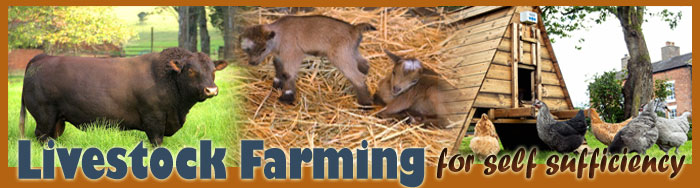
 Food Security and Independence: Raising your own livestock provides a reliable, direct source of high-quality protein such as meat, milk, and eggs, reducing dependence on volatile commercial supply chains and grocery store prices.
 Livestock farming for self-sufficiency represents a return to the foundational principles of human survival, offering a pathway to independence in an increasingly complex and industrialized food system.
 Cattle
 The Case for Cattle in Self-Sufficient Living


 livestock Feeding And Equipment
 livestock Pond Design And Equipment







 What is the best livestock for beginners in self-sufficiency farming?