"Livestock Farming Business Plan To Guide You On Raising Livestock As A Business Even If You're Just Starting Out In livestock Farming"
“That's Right, This Is A Beginner's And Advanced Farmers Guide To Raising Cattle, Chickens, Sheep, Pigs, Goats, Ducks, Horses Plus Rabbits Easily And Avoid Costly Mistakes That livestock Owners Are Prone To!"
Date:
Name: Gerard Dawn
Dear livestock Farmer,
You've been searching around for information on how to raise livestock, but you not finding enough guidelines to get you started? Or you have some questions you need answers to when raising livestock? Well look no further because I've got the answers to all questions you may have to raising your own healthy livestock.
Livestock farming has its roots in the Neolithic Revolution, approximately 10,000 to 12,000 years ago, when humans transitioned from nomadic hunter-gatherer lifestyles to settled agricultural communities.
This pivotal shift began in the Fertile Crescent of the Middle East, where wild ancestors of modern livestock such as sheep, goats, cattle, and pigs were first domesticated.
Early farmers selected animals for traits like docility, manageable size, and reproductive reliability, gradually transforming wild species into domesticated companions that provided meat, milk, wool, and labor.
In recent decades, livestock farming has faced growing scrutiny regarding sustainability, ethics, and health. Consumers increasingly demand transparency about animal treatment, environmental footprints, and food safety. This has spurred movements toward organic farming, free-range systems, regenerative agriculture, and alternative proteins.
Simultaneously, technological innovations including precision livestock farming, gene editing, and vertical integration continue to reshape the industry.
Today, livestock farming stands at a crossroads, balancing traditional practices with modern challenges of climate change, resource scarcity, and evolving consumer expectations while remaining essential to global food security and rural economies worldwide.
The Benefits Of Raising livestock
Diversified Revenue Streams: Livestock farming offers multiple income sources from a single operation, including the sale of meat, milk, eggs, wool, leather, and other by-products, which helps stabilize cash flow against market fluctuations in any single commodity.
Natural Fertilizer Production: Animals generate manure that serves as a rich, organic fertilizer for crops, reducing the need for expensive synthetic fertilizers and promoting sustainable soil health within integrated farming systems.
High Demand for Essential Goods: Animal products are staple foods in diets worldwide, ensuring consistent consumer demand and providing a resilient market base that is less susceptible to sudden obsolescence compared to some tech or trend-based industries.
Asset Appreciation and Breeding Potential: Livestock themselves are living assets that can appreciate in value through growth and breeding; successful breeding programs can create high-value stock for sale to other farmers, adding a lucrative layer to the business model.
Land Utilization and Management: Livestock can graze on land that may be unsuitable for crop cultivation, such as hilly or rocky terrain, turning otherwise unproductive acreage into valuable economic resources while helping manage vegetation and reduce fire risks.
Government Support and Subsidies: Many governments offer financial incentives, grants, subsidies, and tax breaks for livestock farmers to support food security, rural development, and sustainable agricultural practices, which can significantly lower operational costs and improve profitability.
As you see there are lots of benefits as to why one would want to raise their own livestock. When done right livestock farming can be very rewarding and can bring some good profits as well. But it is very important that you know what you are doing when starting out because you can easily make costly mistakes. So read on...
Raising livestock Is Rewarding
There's no doubt that livestock farming is rewarding that's why it's considered as a multi-billion dollar industry because the demand for livestock produce is ever growing.
As a beginner farmer you may think it is impossible to learn to how to care for livestock correctly, but it is not. You too, however, can easily learn how to care for livestock in order to reach your goals.
Without the right tools and information, it could take you years and cost you a fortune to discover the secrets of successful care of livestock, however. Instead of spending a fortune on so-called experts or knocking yourself out with the old trial and error method, there is an easier way to achieve your goals.
Now there’s good news ...
I won’t deny that there are a ton of books out there on the elements of the care of livestock. Unfortunately the problem with most books on the subject is that they are either filled with plenty of promises, no solid techniques and strategies to back up those promises or they contain only one or two pieces of useful information and not a comprehensive look at everything you need to know to succeed.
Introducing...
Livestock Farming Business Plan
Raising livestock as a business is a venture that blends traditional agricultural wisdom with modern entrepreneurial strategy, offering a pathway to sustainable income for those willing to invest time, labor, and capital.
Unlike many industries driven by rapid technological shifts, livestock farming is rooted in biological cycles and natural rhythms, requiring patience and a deep understanding of animal behavior, nutrition, and health.
Success in this field does not come from quick wins but from consistent management, strategic planning, and a commitment to quality that resonates with increasingly discerning consumers.
At its core, a livestock business thrives on efficiency and scale. Whether raising cattle for beef, dairy cows for milk, sheep for wool and meat, or poultry for eggs and meat, the operator must balance input costs such as feed, veterinary care, and housing against output value.
Market positioning is another critical component of a successful livestock enterprise. With growing consumer interest in organic, grass-fed, free-range, and locally sourced products, farmers who can differentiate their offerings through transparency and certification often command premium prices.
Ultimately, raising livestock as a business is more than just an economic endeavor; it is a stewardship role that connects humans to the land and the animals they care for.
Those who approach it with respect for nature, attention to detail, and adaptability to changing market dynamics can build resilient enterprises that contribute to food security, rural vitality, and sustainable agriculture.
For entrepreneurs passionate about animals and committed to responsible farming, livestock offers a rewarding career that nourishes both communities and the planet.
"Livestock Farming Business Plan" breaks the mold of all the other books you have heard and read about. It presents solid, proven steps to help you learn how to care for livestock.
With this guide you will discover how to successfully raise:
Cattle
Starting a cattle business requires careful planning and significant upfront investment. You must secure adequate land, quality breeding stock, and reliable fencing. Understanding local market demands helps determine whether to focus on beef or dairy production. Proper infrastructure ensures animal welfare and operational efficiency from day one.
Nutrition and herd health form the backbone of profitable cattle operations. Implementing rotational grazing systems reduces feed costs while maintaining pasture quality. Regular veterinary care prevents disease outbreaks that could devastate your herd. Consistent monitoring of weight gain and reproductive performance allows for timely adjustments to management practices.
Marketing strategies directly impact your bottom line in the cattle industry. Building relationships with processors, auctions, or direct consumers creates stable revenue streams. Branding your operation as sustainable or grass-fed can command premium prices. Diversifying income through agritourism or value-added products provides additional financial security during market fluctuations.
Long-term success depends on adapting to changing conditions and continuous learning. Stay informed about industry trends, regulatory changes, and emerging technologies. Networking with other producers offers valuable insights and support. Patience and persistence are essential, as cattle farming rewards those who commit to excellence and sustainable practices over time.
In detail you will learn:
Introduction to the Cattle Industry
Defining Your Business Model and Goals
Market Research and Competitive Analysis
Selecting the Right Cattle Breed
Land Acquisition and Pasture Management
Infrastructure and Facility Design
Financial Planning and Startup Costs
Securing Funding and Investment Strategies
Herd Health and Veterinary Protocols
Nutrition and Feeding Programs
Breeding and Reproduction Management
Daily Operations and Labor Requirements
Marketing Strategies and Sales Channels
Regulatory Compliance and Risk Management
Scaling Your Operation and Long-Term Growth
Chickens
Launching a chicken business begins with choosing your niche, whether it involves layers for eggs or broilers for meat. Securing proper zoning permits and designing secure coops protects your flock from predators. Initial investments in quality chicks and reliable equipment set the foundation for sustainable operations. Understanding local demand helps tailor your production to market needs effectively.
Daily management focuses on nutrition, hygiene, and health monitoring to ensure optimal growth. Providing balanced feed and clean water prevents disease while promoting consistent egg production or weight gain. Regular coop cleaning reduces ammonia buildup and parasite risks. Observing bird behavior allows early detection of health issues, minimizing losses and maintaining high productivity standards throughout the farming cycle.
Marketing your poultry products requires building trust with consumers through transparency and quality. Selling directly at farmers markets or through community supported agriculture programs often yields higher profits than wholesale channels. Branding your farm as organic or free-range can attract premium buyers. Consistent supply and excellent customer service foster loyalty, creating a stable revenue stream for your growing enterprise.
Long-term success depends on adapting to seasonal changes and fluctuating feed costs. Implementing efficient waste management systems turns manure into valuable compost for additional income. Networking with other farmers provides support and shared knowledge about best practices. Staying informed about industry trends ensures your business remains competitive and profitable in the evolving agricultural landscape.
In detail you will learn:
Overview of the Poultry Industry
Defining Your Niche: Layers, Broilers, or Dual-Purpose
Market Analysis and Customer Identification
Selecting the Right Chicken Breeds
Site Selection and Zoning Regulations
Coop Design and Infrastructure Setup
Financial Projections and Startup Budgeting
Securing Capital and Funding Options
Biosecurity and Health Management Protocols
Daily Care and Flock Management Routines
Egg Collection, Processing, and Storage
Marketing Strategies and Brand Building
Legal Compliance and Risk Mitigation
Scaling Operations and Future Expansion
Sheep
Starting a sheep business requires selecting the right breed for your specific goals, whether wool, meat, or milk. Secure adequate pastureland with robust fencing to protect against predators and contain the flock. Initial investments in quality breeding stock and shelter establish a strong foundation. Understanding local market demands helps determine the most profitable production focus for your operation.
Effective grazing management ensures healthy pastures and reduces feed costs significantly. Implement rotational grazing systems to maintain soil health and prevent overgrazing. Regular veterinary care and parasite control are essential for maintaining flock vitality. Monitoring body condition scores allows timely adjustments to nutrition, ensuring optimal growth and reproductive success throughout the year.
Marketing sheep products involves building relationships with processors, textile mills, or direct consumers. Selling premium wool or grass-fed lamb can command higher prices in niche markets. Branding your farm as sustainable attracts environmentally conscious buyers. Diversifying income through agritourism or value-added products like yarn provides additional financial stability during market fluctuations.
Long-term success depends on adapting to weather changes and fluctuating commodity prices. Stay informed about industry trends and best practices through continuous education. Networking with other producers offers valuable support and shared knowledge. Patience and dedication to animal welfare ensure a reputable brand and sustainable profitability in the competitive sheep farming industry.
In detail you will learn:
Introduction to the Sheep Industry
Defining Your Business Model: Wool, Meat, or Dairy
Market Research and Target Audience Analysis
Selecting Appropriate Sheep Breeds
Land Requirements and Pasture Assessment
Fencing, Shelter, and Infrastructure Design
Financial Planning and Initial Capital Needs
Funding Sources and Investment Strategies
Herd Health Management and Veterinary Care
Nutrition, Grazing, and Feed Supplementation
Breeding Programs and Lambing Management
Daily Operations and Labor Planning
Marketing Channels and Brand Development
Regulatory Compliance and Risk Management
Scaling the Flock and Long-Term Growth
Pigs
Starting a pig farming business requires selecting suitable breeds and securing adequate land with proper zoning. Initial investments include sturdy fencing, shelters, and high-quality breeding stock. Understanding local demand for pork helps determine whether to focus on niche markets or conventional production. Proper planning ensures efficient operations and animal welfare from the very beginning.
Nutrition and health management are critical for rapid growth and disease prevention. Providing balanced diets tailored to each growth stage optimizes feed conversion ratios. Regular veterinary checks and strict biosecurity protocols minimize health risks. Clean living conditions reduce stress and improve meat quality, ensuring consistent productivity and minimizing losses throughout the production cycle.
Marketing strategies should target processors, restaurants, or direct consumers seeking premium pork. Building a brand around ethical raising practices or specific breeds can command higher prices. Establishing reliable sales channels ensures steady revenue. Diversifying products through value-added items like sausages or bacon creates additional income streams and strengthens customer loyalty in competitive markets.
Long-term success depends on adapting to market fluctuations and regulatory changes. Continuous education on best practices and industry trends keeps your operation competitive. Networking with other farmers provides support and valuable insights. Commitment to sustainable practices and animal welfare builds a reputable brand, ensuring profitability and resilience in the evolving agricultural landscape.
In detail you will learn:
Overview of the Swine Industry
Defining Your Niche: Pork, Breeding, or Specialty
Market Analysis and Consumer Trends
Selecting the Right Pig Breeds
Site Selection and Zoning Requirements
Housing Design and Waste Management Systems
Financial Projections and Startup Costs
Securing Funding and Capital Investment
Herd Health and Biosecurity Protocols
Nutrition Planning and Feed Efficiency
Breeding Strategies and Farrowing Management
Daily Operations and Labor Needs
Marketing Strategies and Sales Channels
Regulatory Compliance and Risk Management
Scaling Production and Future Expansion
Goats
Starting a goat business begins with choosing between dairy, meat, or fiber production. Secure adequate land with robust fencing, as goats are notorious escape artists. Initial investments in quality breeding stock and shelter establish a strong foundation. Understanding local market demands helps determine the most profitable niche for your specific operation and resources.
Effective browsing management ensures healthy pastures and reduces feed costs significantly. Implement rotational grazing systems to maintain vegetation and prevent overgrazing. Regular veterinary care and parasite control are essential for maintaining herd vitality. Monitoring body condition scores allows timely adjustments to nutrition, ensuring optimal growth and reproductive success throughout the year.
Marketing goat products involves building relationships with processors, cheesemakers, or direct consumers. Selling premium cheese, milk, or ethically raised meat can command higher prices. Branding your farm as sustainable attracts environmentally conscious buyers. Diversifying income through agritourism or value-added products like soap provides additional financial stability during market fluctuations.
Long-term success depends on adapting to weather changes and fluctuating commodity prices. Stay informed about industry trends and best practices through continuous education. Networking with other producers offers valuable support and shared knowledge. Patience and dedication to animal welfare ensure a reputable brand and sustainable profitability in the competitive goat farming industry.
In detail you will learn:
Introduction to the Goat Industry
Defining Your Business Model: Dairy, Meat, or Fiber
Market Research and Target Audience Analysis
Selecting the Right Goat Breeds
Land Requirements and Pasture Management
Housing Design and Fencing Solutions
Financial Planning and Startup Budgeting
Securing Funding and Investment Strategies
Herd Health Management and Veterinary Care
Nutrition, Grazing, and Feed Supplementation
Breeding Programs and Kidding Management
Daily Operations and Labor Requirements
Marketing Channels and Brand Development
Regulatory Compliance and Risk Management
Scaling the Herd and Long-Term Growth
Ducks
Starting a duck business requires selecting appropriate breeds for eggs, meat, or ornamental purposes. Secure water access and predator-proof housing to ensure flock safety and welfare. Initial investments in quality ducklings and proper infrastructure establish a solid foundation. Understanding local market demands helps determine the most profitable niche for your specific operation and available resources.
Effective water management and nutrition are critical for healthy growth and egg production. Providing clean swimming areas prevents disease while promoting natural behaviors. Balanced diets tailored to each life stage optimize feed conversion and overall vitality. Regular health monitoring allows early detection of issues, minimizing losses and maintaining consistent productivity throughout the year.
Marketing duck products involves targeting specialty restaurants, farmers markets, or direct consumers seeking premium poultry. Branding your farm as sustainable or free-range attracts discerning buyers willing to pay higher prices. Building relationships with chefs and retailers creates stable sales channels. Diversifying income through value-added products like preserved eggs provides additional financial stability during seasonal fluctuations.
Long-term success depends on adapting to weather changes and evolving consumer preferences. Stay informed about industry best practices through continuous education and networking. Connecting with other producers offers valuable support and shared knowledge. Commitment to ethical raising practices builds a reputable brand, ensuring profitability and resilience in the competitive poultry farming landscape.
In detail you will learn:
Overview of the Duck Farming Industry
Defining Your Niche: Eggs, Meat, or Ornamental
Market Analysis and Customer Identification
Selecting the Right Duck Breeds
Site Selection and Water Resource Management
Housing Design and Predator Protection
Financial Projections and Startup Costs
Securing Capital and Funding Options
Biosecurity and Health Management Protocols
Nutrition Planning and Feed Sourcing
Breeding Strategies and Incubation Management
Daily Care and Flock Maintenance Routines
Marketing Strategies and Brand Building
Legal Compliance and Risk Mitigation
Scaling Operations and Future Expansion
Rabbits
Starting a rabbit business requires selecting breeds suited for meat, fur, or pet markets. Secure adequate housing with proper ventilation and protection from predators. Initial investments in quality breeding stock and cages establish a strong foundation. Understanding local demand helps determine the most profitable niche for your specific operation and available resources.
Effective nutrition and hygiene are critical for rapid growth and disease prevention. Providing balanced diets tailored to each life stage optimizes feed conversion ratios. Regular cage cleaning reduces ammonia buildup and parasite risks. Monitoring health indicators allows early detection of issues, minimizing losses and maintaining consistent productivity throughout the production cycle.
Marketing rabbit products involves targeting specialty butchers, pet owners, or textile manufacturers. Branding your farm as ethical or organic attracts premium buyers willing to pay higher prices. Building relationships with local retailers creates stable sales channels. Diversifying income through value-added products like processed meats or handmade fur items provides additional financial stability.
Long-term success depends on adapting to market fluctuations and regulatory changes. Stay informed about industry best practices through continuous education and networking. Connecting with other producers offers valuable support and shared knowledge. Commitment to animal welfare builds a reputable brand, ensuring profitability and resilience in the competitive small livestock farming landscape.
In detail you will learn:
Introduction to the Rabbit Industry
Defining Your Business Model: Meat, Fur, or Pets
Market Research and Target Audience Analysis
Selecting the Right Rabbit Breeds
Site Selection and Housing Requirements
Cage Design and Infrastructure Setup
Financial Planning and Startup Budgeting
Securing Funding and Investment Strategies
Herd Health Management and Veterinary Care
Nutrition Planning and Feed Sourcing
Breeding Programs and Kit Management
Daily Operations and Labor Requirements
Marketing Channels and Brand Development
Regulatory Compliance and Risk Management
Scaling the Herd and Long-Term Growth
Horses
Starting a horse business requires defining your niche, whether boarding, breeding, or training. Secure adequate land with safe fencing and quality shelters to ensure animal welfare. Initial investments in healthy stock and proper facilities establish a strong foundation. Understanding local market demands helps determine the most profitable services for your specific operation and resources.
Effective pasture management and nutrition are critical for maintaining equine health. Implement rotational grazing to preserve soil quality and reduce feed costs. Regular veterinary care and farrier services prevent injuries and ensure optimal performance. Monitoring body condition allows timely dietary adjustments, supporting longevity and consistent productivity throughout the year.
Marketing strategies should target riders, competitors, or leisure enthusiasts seeking premium experiences. Branding your facility as professional or specialized attracts dedicated clients. Building relationships through clinics or events creates stable revenue streams. Diversifying income through lessons or trail rides provides additional financial stability during seasonal fluctuations.
Long-term success depends on adapting to industry trends and economic changes. Stay informed about best practices through continuous education and networking. Connecting with other professionals offers valuable support and shared knowledge. Commitment to excellence and horse welfare builds a reputable brand, ensuring profitability in the competitive equine industry.
In detail you will learn:
Overview of the Equine Industry
Defining Your Niche: Boarding, Breeding, or Training
Market Analysis and Client Identification
Selecting Suitable Horse Breeds
Land Requirements and Pasture Management
Barn Design and Facility Infrastructure
Financial Projections and Startup Costs
Securing Funding and Capital Investment
Equine Health and Veterinary Protocols
Nutrition Planning and Feed Management
Breeding Strategies and Foal Care
Daily Operations and Staffing Needs
Marketing Strategies and Brand Building
Legal Compliance and Liability Management
Scaling Operations and Future Expansion
And you will get a complete resource that guides you to where you can order your various livestock and equipment at low prices!
It's All About Profitable livestock
I'm sure the reason why you came to this website and are still reading is because you also want to raise profitable livestock, well look no further cause this ebook only guides you on raising profitable livestock.
The livestock you will raise using the guidelines in this ebook will be profitable to you and will get some good returns in investment not forgetting passive income for years to come, which will pass on to your kids and grand-kids. And it can begin now by you talking this first step and getting your copy of "Livestock Farming Business Plan".
You will save a lot of money from buying farm produce such as meat, and oil when you own livestock farm. livestock farming is a great way to feeding your family with fresh un-processed meat because you can raise your own livestock for production. And since these livestock are yours you can feed them with only healthy feed to make sure they produce quality products.
livestock can be raised in two ways, the commercial way or organic (traditional) way. Since a lot of people are now turning to eating organic foods most farmers are now raising their livestock the organic way. Organic meat is healthier than commercially produced meat which is why people like it. It also tastes a lot better. This ebook also covers how to raise your livestock the organic way. It's all about livestock farming.
"Look At What Other Farmers Say About Livestock Farming Business Plan!"
"From Novice to Profitable Farmer"
I never imagined I could turn my backyard into a profitable venture until I found this ebook. As a complete beginner with no agricultural background, I was overwhelmed by the sheer amount of information available online.
This guide cut through the noise and provided a clear, step-by-step roadmap. The financial templates alone saved me weeks of guesswork, allowing me to present a professional plan to my bank manager. Within six months, I secured funding for my first herd of goats.
The section on risk management was particularly eye-opening, helping me avoid costly mistakes that many new farmers make. Today, my operation is not just breaking even but generating a steady income.
This book transformed my hobby into a legitimate business, giving me the confidence to expand into poultry next year. It is an indispensable resource for anyone serious about livestock farming.
Thank You!
Collin de Sousa
"Mastering the Financials with Ease"
The biggest hurdle for me was always the numbers. I loved animals but feared the business side of farming. This ebook changed everything by breaking down complex financial concepts into simple, actionable steps.
The budgeting spreadsheets were pre-formatted and easy to customize, which helped me track every expense from feed to veterinary care. I learned how to calculate true profit margins and identify waste in my operations.
Since implementing these strategies, my overhead costs have dropped by twenty percent, significantly boosting my bottom line. The marketing chapter also helped me position my organic beef at premium prices in local markets.
I finally feel in control of my farm’s finances rather than being controlled by them. This guide is worth every penny for its practical financial wisdom.
Accept my thanks!
Tomson Forka
"A Blueprint for Sustainable Growth"
Sustainability was my primary goal, but I didn’t know how to make it economically viable. This ebook bridged the gap between ethical farming and profitability. It taught me how to integrate rotational grazing and natural fertilizers into my business model without sacrificing income.
The detailed case studies showed real-world examples of successful sustainable farms, which inspired me to adopt similar practices. I now sell certified organic lamb and wool, commanding higher prices due to the quality and ethics behind my brand.
The guide’s emphasis on long-term soil health and animal welfare has not only improved my product but also reduced my dependency on expensive synthetic inputs. It is a comprehensive manual for modern, responsible farmers who want to build a legacy.
Thanks!
Mr T. Middleting
"Securing Funding with Confidence"
"Getting a loan for a new farm seemed impossible until I used this business plan template. Banks need to see professionalism and foresight, and this ebook provided exactly that.
The structured approach to market analysis and competitive advantage helped me articulate my vision clearly. I included the projected cash flow statements from the book, and the loan officer was impressed by the thoroughness of my preparation.
I received approval within two weeks, something I had been denied previously due to lack of documentation. This guide gave me the credibility I needed to be taken seriously by financial institutions.
If you are struggling to secure capital, this book is the key to unlocking the doors to your farming dream.
Virginia O’Donnell
You can't blame me for strongly believing in my livestock ebook. I get a lot of feedback from livestock farmers thanking me and giving me insights on how their livestock farm is growing. I'm now waiting for yours.
You see, beginner livestock farmers face a lot of difficulties when raising livestock. livestock is not that difficult to raise if you know how to. The reason why some beginner farmers fail in raising these livestock is because they don't have enough research on how to raise healthy livestock.
Many People Don't Know Where To Start!
Don't be one of those people who spend a fortune in getting guidance. This ebook will not only save you time on doing the research needed, but also in your pocketbook.
This guide won't leave you hanging not knowing what to do next. Its a step by step livestock farming plan that spells out your next step in plain English, you won't need to look for other information or join any other expensive livestock training course once you have this guide in your disposal.
But that's not all because when you get your copy of "Livestock Farming Business Plan" you will also receive...
Detailed Guide #1
livestock Feeding And Equipment
livestock usually need nutritious food regularly to be healthy, happy and contended.
A diet that is high in energy, low in fiber and supplemented with ample of protein is considered ideal and wholesome to ensure the upward and steady growth your livestock.
livestock can not be called livestock unless they love to eat. Their feeding habits are characterized with rooting and pleading for more food and eating food with a great gusto and relish.
However, in spite of your livestock being constantly obsessed with the idea of eating food, it does not mean you submit to its obsession.
There is a specific and regulated pattern of feeding and eating habits for your livestock and before you give your livestock that extra morsel of food, ponder again!
With this ebook you will discover:
Healthy livestock Feeding
The Right Diet For livestock
How to Make Your Own livestock Feed
Pointers In livestock Feeding
livestock Feeding Equipment
This is a must have guide for every farmer who wants to proper feed their livestock, it's a complete ebook to healthy livestock farming that will ensure that you feed your livestock the right nutrients from a young age.
+
Detailed Guide #2
livestock Pond Design And Equipment
When just beginning in raising livestock the first thing you have to prepare is pond and fish tank..
Raising livestock requires you to build a proper pond for them. The pond provides the fish with water where they can swim and keeps them warm in the winter.
A livestock pond can be designed using light and hard material you may already have in your farm.
The livestock pond that you will farm your livestock has to be in protected area so make sure predators would not consume your livestock.
With this ebook you will discover:
livestock Pond Site Selection
Pond Design And Constructionl
Managing Your Fish Pond
livestock Culture Method
livestock Pond Equipment
With "livestock Pond Design And Management" you’ll be amazed at how simple and easy it is to proper build a pond for your livestock. You will get all the different options to pond building and the required equipment for livestock farming.
How Much Is That Worth To You?
"Livestock Farming Business Plan" retails for $267. But today we are offering it to you for only $97. All of the information on starting livestock farming is simple to understand with images to guide you. You'll never find a guide that guides to on raising various types of livestock in one ebook.
This guide eliminates the time you will spend searching for incomplete information about raising livestock and poultry. You don't have to purchase a guide on raising chickens alone, then buy yet another guide on raising ducks, rabbits, goats, cattle, horses and sheep separately, that will cost you over $900. Just by making a one time investment of $97 you will get all you need to know on raising these various animals at a cost of the price.
You've never seen such a good offer, right? But to make you even more comfortable about your investment, I'll offer you my....
My 3 Month Money Back Guarantee!
EFFORTLESSLY START YOUR OWN LIVESTOCK FARM 100% AT MY RISK WITH A FULL 90 DAY MONEY-BACK GUARANTEE
If You Serious About Raising Profitable livestock Then This Is Your Guide
The cost of living these days is very high and people are looking for ways to save some money at the same time are looking for ways to make some extra income.
Raising your very own livestock is a great way to provide your family with fresh quality products like meat and oil. On the other hand livestock farming is a great way to make some money since you can sell the produce for some good profits.
If you serious on becoming a productive livestock farmer then don't leave this page without getting your copy of this guide.
"Efficient Operations for Busy Entrepreneurs"
As someone balancing a full-time job with a budding farm, efficiency was crucial. This ebook taught me how to streamline operations using technology and smart scheduling.
The sections on automated feeding systems and health monitoring tools helped me reduce labor hours significantly. I no longer spend my weekends exhausted; instead, I manage my livestock with precision and ease.
The guide’s focus on scalability allowed me to start small with chickens and gradually add sheep without disrupting my daily routine. I now have a system that runs smoothly even when I am away.
This book is perfect for entrepreneurs who want to farm intelligently rather than just working harder. It has given me the freedom to enjoy both my career and my passion.
Thank You!
Mr. Paul Morris
"Building a Brand That Sells"
Marketing was my weakest link until I read this guide. It opened my eyes to the power of storytelling and direct-to-consumer sales.
I learned how to build a brand around transparency and quality, which resonated deeply with local customers. The social media strategies outlined in the book helped me grow my following rapidly, leading to consistent pre-orders for my pork products.
I no longer worry about finding buyers; instead, I manage a waiting list. The ebook’s advice on packaging and customer service elevated my professional image, allowing me to charge premium prices.
My farm is now a recognized name in the community, thanks to the marketing blueprint provided in this essential resource. It transformed my product into a sought-after brand.
Thanks!
David C., Hobbyist livestock Farmer
Nothing, Absolutely Nothing, Is Left Out!
When it comes to raising livestock, it is very important that you know what you are doing so to avoid failures. You have to know how to feed and build a proper pond for your livestock. You will have to know how to early notice and treat different types of health matters and diseases that will be of harm to your livestock.
And when it come to livestock this is the only guide that covers every aspect of raising healthy livestock. It's a complete guide to being a successful livestock farmer. So if you want to raise any type of livestock listed in this site, make sure you have this ebook for guidance and reference. There's no better time to get into this market as a livestock farmer than now.
P.S. Don’t let the complexity of regulations and market fluctuations stall your dreams. This business plan includes ready-to-use templates for financial projections, risk management strategies, and compliance checklists that have helped hundreds of new farmers secure funding and avoid costly mistakes in their first year.
P.P.S Remember that livestock are living assets that grow in value every day you care for them properly. By implementing the breeding and feeding protocols outlined in this guide, you’ll transform your farm from a simple operation into a high-efficiency profit center that generates multiple revenue streams from meat, milk, and natural fertilizers.
P.P.P.S Time is your most valuable resource, and waiting to start only delays your financial independence. Click the button below to get your copy now and gain immediate access to the step-by-step roadmap that turns pasture into profit, backed by our 30-day money-back guarantee if you don’t feel more confident in your farming future.
"The Next Step Is Yours". Grab this one of its kind livestock ebook that will guide you on how to be a successful livestock farmer today, don't waste anymore of your time trying to find incomplete information on raising livestock, get your Livestock Farming Business Plan just by investing in this guide.....
Yes, Gerard I Too Want To Raise Profitable livestock!
Yes, I Want Instant Download To This Ebook!
Yes, I Want It Now While It's Only $97!
(Important) I understand that this is an 196 page electronic book (e-book) that is downloaded and delivered in PDF format not by mail. It can be read or printed out from any computer that has adobe reader (immediately after payment). The download link will be sent to your Paypal or Clickbank email address.
I understand that this ebook will guide me to raise healthy livestock even if I'm an absolute beginner and haven't tried raising livestock before.
And I understand that by making a one time investment I will receive the following livestock ebooks:
Livestock Farming Business Plan - Which will guide me on how to raise various types of profitable livestock in my very own farm. I will discover how to care for them and profit from their produce.
livestock Feeding And Equipment - This is a complete ebook on how to proper feed my various livestock and make sure they get enough nutrients to grow healthy and strong.
livestock Pond Design And Management - With this ebook I will get guidelines with dimensions on how to build a pond for my livestock and make sure they are well protected.
Get the one and only guide to profitable livestock by adding this guide to your cart below and make a one-time Investment.
You will then be redirected to the secure members area where you will get immediate access to download your "Livestock Farming Business Plan" ebook plus the two detailed guides. Another copy will be sent to your e-mail inbox.
Take Advantage Of This Discount Price And Secure Your Copy Now!
Download our comprehensive Livestock Farming Business Plan today to master sustainable animal husbandry, optimize feed costs, and maximize profits from cattle, sheep, or poultry operations with expert strategies for regulatory compliance, market analysis, and financial projections that ensure long-term success in the modern agricultural industry.
Frequently Asked Questions!
What is a livestock farming business plan?
A livestock farming business plan is a strategic document that outlines your operational goals, financial projections, marketing strategies, and management structure for raising animals profitably.
Why do I need a business plan for livestock farming?
You need a business plan to secure loans, attract investors, manage risks, and provide a clear roadmap for daily operations and long-term growth in your agricultural enterprise.
How much capital is required to start a livestock farm?
Capital requirements vary widely based on species and scale, but typically include costs for land, fencing, housing, initial stock, feed, veterinary care, and equipment, often ranging from $10,000 to over $100,000.
Which livestock species are most profitable for beginners?
Chickens, goats, and sheep are often recommended for beginners due to lower initial investment costs, faster reproduction rates, and manageable space requirements compared to larger animals like cattle.
How do I calculate feed costs in my business plan?
Calculate feed costs by estimating daily consumption per animal, multiplying by the number of animals, and factoring in current market prices for hay, grain, or supplements over a 12-month period.
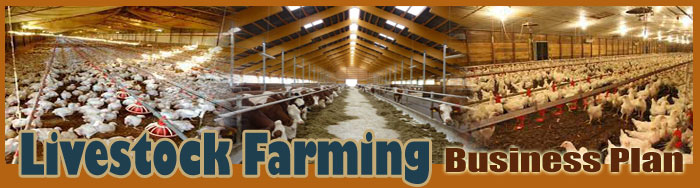
 Diversified Revenue Streams: Livestock farming offers multiple income sources from a single operation, including the sale of meat, milk, eggs, wool, leather, and other by-products, which helps stabilize cash flow against market fluctuations in any single commodity.
 Raising livestock as a business is a venture that blends traditional agricultural wisdom with modern entrepreneurial strategy, offering a pathway to sustainable income for those willing to invest time, labor, and capital.
 Cattle
 Introduction to the Cattle Industry



 livestock Feeding And Equipment
 livestock Pond Design And Equipment






 What is a livestock farming business plan?