"How To Raise Livestock For Milk 'The Healthy Profitable Way' Even If You're Just Starting Out In Livestock Farming"
“That's Right, This Is A Beginner's And Advanced Farmers Guide To Raising Cattle, Water Buffalo, Sheep, Donkeys, Goats, Camels, Plus Yaks Easily And Avoid Costly Mistakes That livestock Owners Are Prone To!"
Date:
Name: Gerard Dawn
Dear livestock Farmer,
You've been searching around for information on how to raise livestock, but you not finding enough guidelines to get you started? Or you have some questions you need answers to when raising livestock? Well look no further because I've got the answers to all questions you may have to raising your own healthy livestock.
The history of raising livestock for milk stretches back thousands of years to the Neolithic Revolution, when humans first transitioned from hunter-gatherer societies to agricultural communities.
Around 10,000 to 8,000 BCE in the Fertile Middle East, early farmers began domesticating wild aurochs, which eventually evolved into cattle, along with goats and sheep. These animals were initially valued for their meat, hides, and labor, but over time, people discovered they could be milked regularly without killing them, providing a renewable source of nutrition.
By approximately 6,000 BCE, evidence suggests that populations in regions such as Anatolia and the Balkans were actively consuming dairy products.
Today, dairy farming is a global industry producing billions of liters of milk annually from cows, buffaloes, goats, sheep, and camels. While large-scale commercial operations dominate in many countries, there is also a growing interest in small-scale, sustainable, and organic dairy farming that emphasizes animal welfare and environmental stewardship.
The history of raising livestock for milk reflects humanity's long relationship with domesticated animals and our continuous efforts to harness their resources for sustenance and economic benefit.
The Benefits Of Raising livestock
Provides a consistent and renewable source of high-quality protein, calcium, and essential vitamins for human nutrition without the need to slaughter the animal.
Generates steady income streams for farmers through the daily sale of fresh milk as well as value-added products like cheese, yogurt, butter, and kefir.
Supports sustainable agricultural practices by allowing livestock to graze on non-arable land, converting grass and forage into nutrient-dense food while producing natural fertilizer for crops.
Enhances food security and self-sufficiency for households and communities by providing a reliable local food source that can be preserved through fermentation or drying.
Creates economic opportunities in rural areas through related industries such as feed production, veterinary services, processing facilities, and distribution networks.
Promotes biodiversity and heritage breed conservation when farmers raise traditional or rare livestock breeds adapted to local environments, preserving genetic diversity and cultural farming traditions.
As you see there are lots of benefits as to why one would want to raise their own livestock. When done right livestock farming can be very rewarding and can bring some good profits as well. But it is very important that you know what you are doing when starting out because you can easily make costly mistakes. So read on...
Raising livestock Is Rewarding
There's no doubt that livestock farming is rewarding that's why it's considered as a multi-billion dollar industry because the demand for livestock produce is ever growing.
As a beginner farmer you may think it is impossible to learn to how to care for livestock correctly, but it is not. You too, however, can easily learn how to care for livestock in order to reach your goals.
Without the right tools and information, it could take you years and cost you a fortune to discover the secrets of successful care of livestock, however. Instead of spending a fortune on so-called experts or knocking yourself out with the old trial and error method, there is an easier way to achieve your goals.
Now there’s good news ...
I won’t deny that there are a ton of books out there on the elements of the care of livestock. Unfortunately the problem with most books on the subject is that they are either filled with plenty of promises, no solid techniques and strategies to back up those promises or they contain only one or two pieces of useful information and not a comprehensive look at everything you need to know to succeed.
Introducing...
How To Raise Livestock For Milk
Raising livestock for milk is one of the oldest and most rewarding forms of animal husbandry, offering a sustainable path to food security and economic stability.
Unlike meat production, which requires the eventual slaughter of the animal, dairy farming allows farmers to harvest a renewable resource daily or weekly, creating a continuous cycle of productivity that can sustain a household or business for years.
This practice transforms simple forage into nutrient-dense food, providing essential proteins, calcium, and vitamins that are difficult to obtain from plant sources alone.
The foundation of successful dairy farming lies in selecting the right breed for your specific environment and goals. While Holsteins are famous for their high volume of production, smaller breeds like Jerseys, Nubian goats, or Saanen goats often prove more manageable for small-scale operators due to their lower feed requirements and easier handling.
The choice of species also depends on local climate and cultural preferences, with water buffalo, sheep, and camels serving as primary dairy animals in various parts of the world. Each species brings unique characteristics to the farm, influencing everything from fencing needs to milking schedules.
Nutrition plays a critical role in both the quantity and quality of milk produced. Dairy animals require a balanced diet rich in energy, protein, and minerals to maintain their health and sustain lactation. High-quality pasture, supplemented with hay, grains, and mineral blocks, ensures that animals remain productive and resilient against disease.
Beyond the raw product, the true value of dairy farming often emerges through processing. Fresh milk is perishable, but transforming it into cheese, yogurt, butter, or kefir extends its shelf life and increases its market value.
Ultimately, raising livestock for milk is about building a relationship with your animals and understanding their natural rhythms. It requires diligence, observation, and a commitment to ethical stewardship.
For those willing to invest the time and care, dairy farming offers not just financial returns but a deep connection to the land and the timeless tradition of nurturing life from the earth.
"How To Raise Livestock For Milk" breaks the mold of all the other books you have heard and read about. It presents solid, proven steps to help you learn how to care for livestock.
With this guide you will discover how to successfully raise:
Dairy Cattle
Select healthy breeds known for high milk production, such as Holsteins or Jerseys. Ensure they have access to quality pasture and clean water daily. Proper genetics lay the foundation for consistent yields and long-term herd viability.
Provide balanced nutrition with adequate protein, minerals, and vitamins. Supplement grazing with high-quality hay or silage during scarce seasons. Consistent feeding schedules support optimal digestion and maximize lactation potential throughout each cycle.
Maintain strict hygiene in milking parlors and living areas. Regular veterinary checkups prevent disease outbreaks and ensure reproductive health. Clean, dry bedding reduces stress and promotes overall animal welfare significantly.
Monitor milk output and quality regularly using standardized tests. Adjust management practices based on data trends. Patience and observation build expertise, ensuring sustainable dairy operations that thrive economically and ethically over time.
In detail you will learn:
Dairy Breeds and Selection
Designing the Ideal Barn and Pasture Layout
Essential Equipment for Milking Operations
Nutritional Requirements for Lactating Cows
Feeding Strategies for Calves and Heifers
Water Management and Quality Control
Breeding Programs and Reproductive Health
Managing Pregnancy and Calving Seasons
Newborn Care and Colostrum Management
Daily Milking Routines and Hygiene Protocols
Mastitis Prevention and Udder Health
Hoof Care and Lameness Prevention
Waste Management and Environmental Sustainability
Record Keeping and Herd Performance Analysis
Marketing Milk and Building a Dairy Business
Goats
Choose high-yielding dairy breeds like Saanen or Nubian goats. Ensure they have sturdy fencing and shelter from harsh weather. Proper breed selection establishes a strong foundation for consistent milk production and healthy herd dynamics throughout the year.
Provide balanced diets rich in hay, grains, and minerals. Fresh water must be available constantly to support lactation. Adjust feed quantities based on pregnancy status and milk output to maintain optimal body condition and energy levels daily.
Practice strict hygiene during milking to prevent contamination. Regular hoof trimming and veterinary checks keep diseases at bay. Clean living spaces reduce stress and promote overall wellness, ensuring your goats remain productive and comfortable in their environment.
Monitor milk quality and quantity regularly for best results. Keep detailed records of breeding cycles and health issues. Consistent observation and adaptive management foster a sustainable operation that thrives economically while prioritizing animal welfare and ethical farming practices effectively.
In detail you will learn:
Selecting the Best Dairy Goat Breeds
Designing Secure Housing and Fencing
Essential Milking Equipment and Setup
Nutritional Needs for Lactating Does
Feeding Kids and Growing Doelings
Water Quality and Hydration Management
Breeding Strategies and Heat Detection
Managing Pregnancy and Kidding Season
Newborn Care and Colostrum Feeding
Daily Milking Routines and Sanitation
Preventing Mastitis and Udder Issues
Hoof Trimming and General Health Care
Manure Management and Pasture Rotation
Record Keeping for Herd Performance
Selling Milk and Value-Added Products
Sheep
Select specialized dairy breeds like East Friesian or Lacaune for optimal yield. Provide secure shelter and robust fencing to protect against predators. Choosing the right genetics ensures high butterfat content and consistent production, laying the groundwork for a successful and sustainable sheep milk operation from the start.
Feed high-quality forage supplemented with grains and minerals. Ensure constant access to clean water to support lactation. Adjust rations based on individual needs and lactation stages. Proper nutrition directly impacts milk volume and quality, keeping your ewes healthy and productive throughout their milking cycle.
Maintain strict hygiene during milking to prevent bacterial contamination. Schedule regular veterinary visits for vaccinations and parasite control. Clean bedding reduces stress and disease risk. Healthy, comfortable sheep produce better milk, so prioritize their welfare through diligent daily care and attentive management practices.
Track milk yields and health records meticulously. Analyze data to improve breeding and feeding strategies. Consistent monitoring helps identify issues early. This disciplined approach ensures long-term profitability and sustainability, allowing you to build a reputable dairy business grounded in ethical animal husbandry principles.
In detail you will learn:
Choosing the Right Dairy Sheep Breeds
Designing Barns and Milking Parlors
Essential Equipment for Sheep Milking
Nutritional Requirements for Lactating Ewes
Feeding Lambs and Replacement Ewe Lambs
Water Management and Quality Standards
Breeding Programs and Ram Selection
Managing Pregnancy and Lambing Season
Newborn Care and Colostrum Management
Daily Milking Routines and Hygiene
Preventing Mastitis and Udder Health
Hoof Care and Parasite Control
Waste Management and Pasture Rotation
Record Keeping and Herd Performance
Marketing Sheep Milk and Cheese Products
Water Buffalo
Select robust breeds like Murrah or Mediterranean for high yields. Provide sturdy shelters and access to wallowing areas for cooling. Proper breed choice ensures rich milk with high butterfat content, establishing a strong foundation for sustainable production and resilient herd health in various climates.
Feed nutrient-dense forage supplemented with grains and minerals. Ensure abundant clean water daily to support heavy lactation. Adjust rations based on growth stages and milk output. Balanced nutrition maximizes yield quality while maintaining optimal body condition and energy levels for your buffalo herd.
Maintain strict hygiene during milking to prevent contamination. Regular veterinary checks and parasite control are essential. Clean living spaces reduce stress and disease risks. Healthy, comfortable buffalo produce superior milk, so prioritize welfare through diligent care and attentive management practices daily.
Monitor milk production and health records consistently. Analyze data to refine breeding and feeding strategies. Early issue detection ensures long-term viability. This disciplined approach builds a profitable, ethical operation grounded in sustainable animal husbandry principles for lasting success.
In detail you will learn:
Selecting Premier Dairy Buffalo Breeds
Designing Shelters and Wallowing Ponds
Essential Milking Equipment and Setup
Nutritional Needs for Lactating Buffaloes
Feeding Calves and Growing Heifers
Water Quality and Hydration Management
Breeding Strategies and Bull Selection
Managing Pregnancy and Calving Season
Newborn Care and Colostrum Feeding
Daily Milking Routines and Sanitation
Preventing Mastitis and Udder Health
Hoof Care and Parasite Control
Waste Management and Mud Wallows
Record Keeping and Herd Performance
Marketing Buffalo Milk and Mozzarella
Camels
Select resilient dairy breeds like Bactrian or Dromedary camels. Provide shaded shelters and secure fencing to protect against harsh elements. Proper breed choice ensures high nutritional milk yields, establishing a strong foundation for sustainable production in arid or semi-arid environments where other livestock struggle.
Feed nutrient-rich forage supplemented with grains and minerals. Ensure constant access to clean water despite their drought tolerance. Adjust rations based on lactation stages and environmental stress. Balanced nutrition maximizes milk quality while maintaining optimal health and energy levels for your camel herd daily.
Maintain strict hygiene during milking to prevent bacterial contamination. Schedule regular veterinary visits for parasite control and hoof care. Clean living spaces reduce disease risks significantly. Healthy, comfortable camels produce superior milk, so prioritize their welfare through diligent daily care and attentive management practices.
Track milk yields and health records meticulously. Analyze data to improve breeding and feeding strategies. Consistent monitoring helps identify issues early. This disciplined approach ensures long-term profitability and sustainability, allowing you to build a reputable dairy business grounded in ethical animal husbandry principles effectively.
In detail you will learn:
Selecting the Best Dairy Camel Breeds
Designing Shelters for Arid Climates
Essential Milking Equipment and Setup
Nutritional Requirements for Lactating Camels
Feeding Calves and Growing Young Stock
Water Management in Dry Environments
Breeding Strategies and Rut Management
Managing Pregnancy and Birthing Season
Newborn Care and Colostrum Feeding
Daily Milking Routines and Hygiene
Preventing Mastitis and Udder Health
Hoof Care and Parasite Control
Waste Management and Pasture Rotation
Record Keeping and Herd Performance
Marketing Camel Milk and Value-Added Products
Yaks
Select hardy breeds adapted to high altitudes for optimal resilience. Provide sturdy shelters against harsh winds and cold. Proper genetic selection ensures rich, creamy milk yields, establishing a strong foundation for sustainable production in rugged mountainous environments where other livestock cannot thrive effectively.
Feed nutrient-dense forage supplemented with minerals during winter. Ensure constant access to clean water sources. Adjust rations based on lactation stages and seasonal changes. Balanced nutrition maximizes milk quality while maintaining optimal body condition and energy levels for your yak herd throughout the year.
Maintain strict hygiene during milking to prevent contamination. Schedule regular veterinary checks for parasite control. Clean living spaces reduce stress and disease risks significantly. Healthy, comfortable yaks produce superior milk, so prioritize their welfare through diligent daily care and attentive management practices consistently.
Track milk yields and health records meticulously. Analyze data to refine breeding and feeding strategies. Early issue detection ensures long-term viability. This disciplined approach builds a profitable, ethical operation grounded in sustainable animal husbandry principles for lasting success in remote regions.
In detail you will learn:
Selecting Hardy Dairy Yak Breeds
Designing High-Altitude Shelters and Fencing
Essential Milking Equipment for Yaks
Nutritional Needs for Lactating Yaks
Feeding Calves and Growing Heifers
Water Management in Mountain Regions
Breeding Strategies and Bull Selection
Managing Pregnancy and Calving Season
Newborn Care and Colostrum Feeding
Daily Milking Routines and Hygiene
Preventing Mastitis and Udder Health
Hoof Care and Parasite Control
Waste Management and Pasture Rotation
Record Keeping and Herd Performance
Marketing Yak Milk and Cheese Products
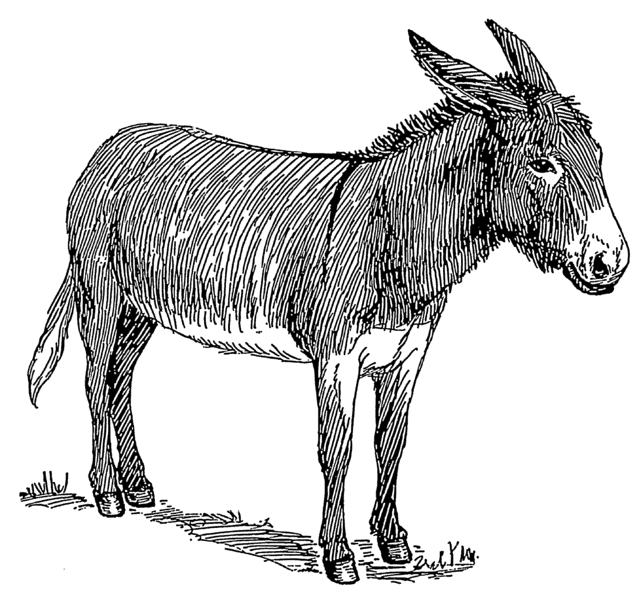
Donkeys
Select gentle dairy breeds like Martina Franca for optimal yield. Provide secure fencing and shelter from extreme weather. Proper breed choice ensures hypoallergenic milk production, establishing a strong foundation for sustainable operations where traditional dairy animals may not be suitable or available.
Feed high-quality hay supplemented with grains and minerals. Ensure constant access to clean water daily. Adjust rations based on lactation stages and individual needs. Balanced nutrition maximizes milk quality while maintaining optimal body condition and energy levels for your donkey herd throughout the year.
Maintain strict hygiene during milking to prevent contamination. Schedule regular veterinary visits for hoof care and health checks. Clean living spaces reduce stress and disease risks. Healthy, comfortable donkeys produce superior milk, so prioritize their welfare through diligent daily care and attentive management practices.
Track milk yields and health records meticulously. Analyze data to refine breeding and feeding strategies. Early issue detection ensures long-term viability. This disciplined approach builds a profitable, ethical operation grounded in sustainable animal husbandry principles for lasting success in niche dairy markets.
In detail you will learn:
Selecting the Best Dairy Donkey Breeds
Designing Secure Stables and Pastures
Essential Milking Equipment for Donkeys
Nutritional Requirements for Lactating Jennies
Feeding Foals and Growing Stock
Water Quality and Hydration Management
Breeding Strategies and Heat Detection
Managing Pregnancy and Foaling Season
Newborn Care and Colostrum Feeding
Daily Milking Routines and Hygiene
Preventing Mastitis and Udder Health
Hoof Care and General Health Maintenance
Waste Management and Pasture Rotation
Record Keeping and Herd Performance
Marketing Donkey Milk and Cosmetic Products
And you will get a complete resource that guides you to where you can order your various livestock and equipment at low prices!
It's All About Profitable livestock
I'm sure the reason why you came to this website and are still reading is because you also want to raise profitable livestock, well look no further cause this ebook only guides you on raising profitable livestock.
The livestock you will raise using the guidelines in this ebook will be profitable to you and will get some good returns in investment not forgetting passive income for years to come, which will pass on to your kids and grand-kids. And it can begin now by you talking this first step and getting your copy of "How To Raise Livestock For Milk".
You will save a lot of money from buying farm produce such as meat, and oil when you own livestock farm. livestock farming is a great way to feeding your family with fresh un-processed meat because you can raise your own livestock for production. And since these livestock are yours you can feed them with only healthy feed to make sure they produce quality products.
livestock can be raised in two ways, the commercial way or organic (traditional) way. Since a lot of people are now turning to eating organic foods most farmers are now raising their livestock the organic way. Organic meat is healthier than commercially produced meat which is why people like it. It also tastes a lot better. This ebook also covers how to raise your livestock the organic way. It's all about livestock farming.
"Look At What Other Farmers Say About How To Raise Livestock For Milk!"
"From Zero Experience to Daily Fresh Milk"
Before purchasing 'How To Raise Livestock For Milk', I had absolutely no farming background and was terrified of making costly mistakes with my first dairy goat.
Gerard Dawn’s ebook broke down every complex concept into digestible steps that made sense for a complete novice like me. The section on selecting the right breed for my specific climate saved me from buying an animal that would have struggled in our humid summers.
Within three months of following the feeding schedules and milking routines outlined in the book, my Nubian doe was producing more milk than my family could consume. What impressed me most was the troubleshooting chapter, which helped me identify and resolve a minor mastitis issue before it became serious.
The value-added processing guides turned my surplus into delicious chevre that now generates extra income at our local farmers market.
This resource transformed my overwhelming dream of self-sufficiency into an achievable daily reality. I cannot recommend this guide highly enough for anyone standing at the beginning of their dairy journey feeling uncertain or intimidated by the learning curve ahead.
As a small-scale farmer struggling to make ends meet selling raw milk alone, *How To Raise Livestock For Milk* completely revolutionized my business model and financial outlook.
The detailed chapters on artisan cheesemaking and yogurt fermentation provided step-by-step instructions that eliminated my fear of food safety violations and product inconsistency. Gerard Dawn doesn’t just teach theory; he shares practical pricing strategies and marketing tips specifically designed for micro-dairies operating on tight budgets.
After implementing his value-added processing methods, my monthly revenue increased by forty percent without adding a single animal to my herd. The equipment recommendations were budget-conscious yet professional, allowing me to upgrade gradually as profits grew.
Customer feedback on my new gouda and kefir has been overwhelmingly positive, creating loyal repeat buyers who appreciate the quality difference.
This ebook bridged the gap between hobby farming and sustainable enterprise in ways no other resource ever could. For any dairy farmer feeling stuck in the low-margin raw milk trap, this guide offers a proven pathway toward genuine profitability and long-term viability.
Accept my thanks!
Tomson Forka
"Sustainable Grazing Strategies That Actually Work"
My previous attempts at rotational grazing failed repeatedly until I studied the pasture management principles in 'How To Raise Livestock For Milk'.
Gerard Dawn explains soil health and forage diversity with scientific accuracy while keeping the language accessible for working farmers without agronomy degrees. The seasonal grazing calendars helped me plan rest periods that dramatically improved pasture resilience during drought conditions last summer.
My veterinary bills dropped significantly because healthier pastures meant fewer parasite issues and better overall animal nutrition throughout the year. The book’s emphasis on matching stocking rates to land capacity prevented the overgrazing mistakes that had degraded my fields for years.
I particularly appreciated the photos showing proper fence setups and water system designs that are both effective and affordable to install. My Jerseys now thrive on forage alone for eight months annually, reducing feed costs substantially while producing richer milk.
This resource taught me that sustainable dairy farming isn’t just environmentally responsible—it’s economically smarter. Every livestock owner managing pasture should own this comprehensive, actionable guide to regenerative grazing practices.
Thanks!
Mr T. Middleting
"Overcoming Beginner Mistakes With Confidence"
"I wasted nearly two thousand dollars on inappropriate equipment and poor breeding stock before discovering *How To Raise Livestock For Milk* online.
This books honest warnings about common beginner pitfalls saved me from repeating expensive errors that had already damaged my confidence and bank account. The checklist format for evaluating used milking machines and assessing animal health during purchase negotiations proved invaluable during my second attempt at building a herd.
His explanations of lactation cycles and dry period management clarified why my previous animals had burned out prematurely from improper breeding timing. The community resources listed in the appendix connected me with experienced mentors who validated the book’s teachings through real-world experience.
Most importantly, the compassionate tone throughout acknowledged that mistakes are part of learning rather than signs of failure.
Today my small dairy operates smoothly because I finally understand the foundational principles I’d been missing. This ebook deserves a place on every aspiring dairy farmer’s bookshelf as both reference material and encouragement during challenging moments.
Virginia O’Donnell
You can't blame me for strongly believing in my livestock ebook. I get a lot of feedback from livestock farmers thanking me and giving me insights on how their livestock farm is growing. I'm now waiting for yours.
You see, beginner livestock farmers face a lot of difficulties when raising livestock. livestock is not that difficult to raise if you know how to. The reason why some beginner farmers fail in raising these livestock is because they don't have enough research on how to raise healthy livestock.
Many People Don't Know Where To Start!
Don't be one of those people who spend a fortune in getting guidance. This ebook will not only save you time on doing the research needed, but also in your pocketbook.
This guide won't leave you hanging not knowing what to do next. Its a step by step livestock farming plan that spells out your next step in plain English, you won't need to look for other information or join any other expensive livestock training course once you have this guide in your disposal.
But that's not all because when you get your copy of "How To Raise Livestock For Milk" you will also receive...
Detailed Guide #1
livestock Feeding And Equipment
livestock usually need nutritious food regularly to be healthy, happy and contended.
A diet that is high in energy, low in fiber and supplemented with ample of protein is considered ideal and wholesome to ensure the upward and steady growth your livestock.
livestock can not be called livestock unless they love to eat. Their feeding habits are characterized with rooting and pleading for more food and eating food with a great gusto and relish.
However, in spite of your livestock being constantly obsessed with the idea of eating food, it does not mean you submit to its obsession.
There is a specific and regulated pattern of feeding and eating habits for your livestock and before you give your livestock that extra morsel of food, ponder again!
With this ebook you will discover:
Healthy livestock Feeding
The Right Diet For livestock
How to Make Your Own livestock Feed
Pointers In livestock Feeding
livestock Feeding Equipment
This is a must have guide for every farmer who wants to proper feed their livestock, it's a complete ebook to healthy livestock farming that will ensure that you feed your livestock the right nutrients from a young age.
+
Detailed Guide #2
livestock Pond Design And Equipment
When just beginning in raising livestock the first thing you have to prepare is pond and fish tank..
Raising livestock requires you to build a proper pond for them. The pond provides the fish with water where they can swim and keeps them warm in the winter.
A livestock pond can be designed using light and hard material you may already have in your farm.
The livestock pond that you will farm your livestock has to be in protected area so make sure predators would not consume your livestock.
With this ebook you will discover:
livestock Pond Site Selection
Pond Design And Constructionl
Managing Your Fish Pond
livestock Culture Method
livestock Pond Equipment
With "livestock Pond Design And Management" you’ll be amazed at how simple and easy it is to proper build a pond for your livestock. You will get all the different options to pond building and the required equipment for livestock farming.
How Much Is That Worth To You?
"How To Raise Livestock For Milk" retails for $267. But today we are offering it to you for only $97. All of the information on starting livestock farming is simple to understand with images to guide you. You'll never find a guide that guides to on raising various types of livestock in one ebook.
This guide eliminates the time you will spend searching for incomplete information about raising livestock. You don't have to purchase a guide on raising water buffalo alone, then buy yet another guide on raising donkeys, goats, cattle, yaks and sheep separately, that will cost you over $900. Just by making a one time investment of $97 you will get all you need to know on raising these various animals at a cost of the price.
You've never seen such a good offer, right? But to make you even more comfortable about your investment, I'll offer you my....
My 3 Month Money Back Guarantee!
EFFORTLESSLY START YOUR OWN LIVESTOCK FARM 100% AT MY RISK WITH A FULL 90 DAY MONEY-BACK GUARANTEE
If You Serious About Raising Profitable livestock Then This Is Your Guide
The cost of living these days is very high and people are looking for ways to save some money at the same time are looking for ways to make some extra income.
Raising your very own livestock is a great way to provide your family with fresh quality products like meat and oil. On the other hand livestock farming is a great way to make some money since you can sell the produce for some good profits.
If you serious on becoming a productive livestock farmer then don't leave this page without getting your copy of this guide.
"Family Self-Sufficiency Made Achievable"
Our homestead goal of providing all our own dairy seemed impossible until we followed *How To Raise Livestock For Milk* together as a family learning project.
This resource structured the content so that even our teenagers could understand their responsibilities in animal care and milking rotations without constant adult supervision. The kid-friendly handling techniques reduced stress for both children and animals, making chore time something everyone actually looks forward to each morning.
We especially valued the preservation methods for butter and cultured products, which allowed us to store summer abundance for winter months without relying on grocery stores.
The nutritional information helped us calculate exactly how many animals we needed to meet our household requirements without overextending our land or labor capacity. Watching our children develop competence and responsibility through this guided process has been as rewarding as the fresh milk itself.
This ebook transformed dairy farming from an intimidating adult task into a meaningful family tradition that strengthens bonds while building practical life skills. Any homesteading family seeking true food independence needs this thoughtful, comprehensive resource.
Thank You!
Mr. Paul Morris
"Veterinary Savings Through Preventive Care"
"My vet bills were consuming thirty percent of my dairy income until I implemented the preventive health protocols from 'How To Raise Livestock For Milk'.
Gerard Dawn’s detailed observation checklists taught me to recognize subtle early warning signs of illness that I’d previously missed until problems became emergencies requiring expensive interventions. The nutrition balance charts helped me formulate rations that strengthened immune systems naturally, reducing antibiotic use and withdrawal periods significantly.
His udder health maintenance routines eliminated chronic mastitis cases that had plagued my herd for years despite following conventional advice. The vaccination schedules tailored to regional disease pressures ensured I wasn’t paying for unnecessary treatments while still protecting against genuine threats.
Record-keeping templates made tracking individual animal health patterns simple, enabling proactive adjustments before issues escalated. Last year’s veterinary expenses dropped by sixty percent while milk quality and production simultaneously improved.
This ebook pays for itself many times over through avoided crises and optimized herd performance. Every dairy farmer seeking to reduce costs while improving animal welfare should study these evidence-based preventive care strategies immediately.
Thanks!
David C., Hobbyist livestock Farmer
Nothing, Absolutely Nothing, Is Left Out!
When it comes to raising livestock, it is very important that you know what you are doing so to avoid failures. You have to know how to feed and build a proper pond for your livestock. You will have to know how to early notice and treat different types of health matters and diseases that will be of harm to your livestock.
And when it come to livestock this is the only guide that covers every aspect of raising healthy livestock. It's a complete guide to being a successful livestock farmer. So if you want to raise any type of livestock listed in this site, make sure you have this ebook for guidance and reference. There's no better time to get into this market as a livestock farmer than now.
P.S. Don’t let the complexity of commercial dairy operations intimidate you; my guide breaks down every step into simple, manageable actions so you can start with just one or two animals and scale up at your own pace without overwhelming your budget or schedule.
P.P.S Remember that milk is a daily cash flow asset unlike any other in animal husbandry; by implementing the value-added processing techniques included in this book, you can transform perishable milk into high-margin products like artisan cheese and yogurt, potentially doubling your revenue from the same herd.
P.P.P.S This offer includes lifetime access to all future updates of the guide, ensuring you stay ahead of the curve with the latest breeding strategies, health protocols, and sustainable grazing methods that keep your livestock healthy and your milk production consistent year after year.
"The Next Step Is Yours". Grab this one of its kind livestock ebook that will guide you on how to be a successful livestock farmer today, don't waste anymore of your time trying to find incomplete information on raising livestock, get your How To Raise Livestock For Milk just by investing in this guide.....
Yes, Gerard I Too Want To Raise Profitable livestock!
Yes, I Want Instant Download To This Ebook!
Yes, I Want It Now While It's Only $97!
(Important) I understand that this is an 196 page electronic book (e-book) that is downloaded and delivered in PDF format not by mail. It can be read or printed out from any computer that has adobe reader (immediately after payment). The download link will be sent to your Paypal or Clickbank email address.
I understand that this ebook will guide me to raise healthy livestock even if I'm an absolute beginner and haven't tried raising livestock before.
And I understand that by making a one time investment I will receive the following livestock ebooks:
How To Raise Livestock For Milk - Which will guide me on how to raise various types of profitable livestock in my very own farm. I will discover how to care for them and profit from their produce.
livestock Feeding And Equipment - This is a complete ebook on how to proper feed my various livestock and make sure they get enough nutrients to grow healthy and strong.
livestock Pond Design And Management - With this ebook I will get guidelines with dimensions on how to build a pond for my livestock and make sure they are well protected.
Get the one and only guide to profitable livestock by adding this guide to your cart below and make a one-time Investment.
You will then be redirected to the secure members area where you will get immediate access to download your "How To Raise Livestock For Milk" ebook plus the two detailed guides. Another copy will be sent to your e-mail inbox.
Take Advantage Of This Discount Price And Secure Your Copy Now!
Discover expert strategies in How To Raise Livestock For Milk by Gerard Dawn, mastering dairy cattle care, goat milking techniques, and sustainable pasture management to maximize milk yield, ensure animal welfare, and create profitable value-added products like cheese and yogurt for your small-scale farm or homestead self-sufficiency goals today.
Frequently Asked Questions!
What is the best livestock for beginners to raise for milk?
Goats are often recommended for beginners because they require less space, eat less feed, and are generally easier to handle than cows, making them ideal for small-scale dairy operations.
How much does it cost to start a small dairy farm?
Startup costs vary widely but typically range from $5,000 to $20,000 depending on whether you buy used equipment, build your own housing, or purchase high-quality breeding stock initially.
Do I need special permits to sell raw milk?
Yes, most regions have strict regulations regarding the sale of raw milk, so you must check with your local health department and agriculture agency to obtain the necessary licenses and meet safety standards.
How often do dairy animals need to be milked?
Most dairy cows and goats need to be milked twice a day, approximately every 12 hours, to maintain comfort and maximize production, though some small-scale farmers opt for once-a-day milking with slightly lower yields.
What breed of cow produces the most milk?
The Holstein-Friesian breed is renowned for producing the highest volume of milk, although Jersey cows are preferred by many small farmers for their high butterfat content and manageable size.
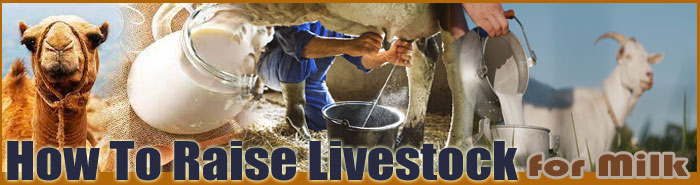
 Provides a consistent and renewable source of high-quality protein, calcium, and essential vitamins for human nutrition without the need to slaughter the animal.
 Raising livestock for milk is one of the oldest and most rewarding forms of animal husbandry, offering a sustainable path to food security and economic stability.
 Dairy Cattle
 Dairy Breeds and Selection

.jpg "Raise Camels")

 livestock Feeding And Equipment
 livestock Pond Design And Equipment






 What is the best livestock for beginners to raise for milk?