"How To Feed Livestock 'The Healthy Profitable Way' For Produce Even If You're Just Starting Out In livestock Farming"
“That's Right, This Is A Beginner's And Advanced Farmers Guide To Feeding Cattle, Chickens, Sheep, Pigs, Goats, Ducks, Horses Plus Rabbits Easily And Avoid Costly Mistakes That livestock Owners Are Prone To!"
Date:
Name: Gerard Dawn
Dear livestock Farmer,
You've been searching around for information on how to raise livestock, but you not finding enough guidelines to get you started? Or you have some questions you need answers to when raising livestock? Well look no further because I've got the answers to all questions you may have to raising your own healthy livestock.
The history of feeding livestock is a story that mirrors the evolution of human civilization itself, beginning with the earliest domestication of animals when humans first transitioned from hunter-gatherers to settled agricultural societies.
As civilizations grew and populations increased, particularly in ancient Mesopotamia, Egypt, and later in Greece and Rome, the need for more intensive animal management emerged. Farmers began supplementing natural forage with cultivated crops such as barley, wheat, and legumes.
During the Middle Ages in Europe, livestock feeding remained largely dependent on common lands and seasonal grazing patterns. Animals were often allowed to forage in forests, fields, and stubble after harvests.
The Agricultural Revolution of the 18th and 19th centuries brought transformative changes to livestock feeding. Innovations such as crop rotation, the introduction of turnips and clover, and selective breeding dramatically improved both the quantity and quality of available feed.
In recent decades, concerns about environmental sustainability, animal welfare, and food safety have reshaped livestock feeding practices. There has been renewed interest in alternative feed sources such as insect protein, algae, and food waste by-products.
The Benefits Of Raising livestock
Optimized Growth and Production: Properly formulated feeds ensure animals receive the precise balance of proteins, carbohydrates, fats, vitamins, and minerals needed for maximum weight gain, milk yield, or egg production, significantly improving farm profitability.
Enhanced Animal Health and Immunity: Balanced nutrition strengthens the immune system, reducing susceptibility to diseases and parasites, which lowers veterinary costs and minimizes the need for antibiotics while promoting overall herd vitality.
Improved Feed Efficiency: Scientific feeding strategies allow farmers to convert feed into animal product more efficiently, reducing waste and lowering the overall cost per unit of meat, milk, or fiber produced.
Consistent Product Quality: Controlled diets lead to uniformity in the final agricultural products, such as consistent marbling in beef, specific fat content in milk, or standardized egg sizes, which is crucial for meeting market standards and consumer expectations.
Year-Round Availability: Unlike reliance on seasonal grazing alone, stored and formulated feeds enable livestock production to continue uninterrupted through harsh winters or droughts, ensuring stable food supplies and income streams.
Environmental Sustainability: Modern feeding practices, including the use of by-products and precision nutrition, help reduce the environmental footprint by minimizing nutrient excretion into soil and water systems and optimizing land use efficiency.
As you see there are lots of benefits as to why one would want to raise their own livestock. When done right livestock farming can be very rewarding and can bring some good profits as well. But it is very important that you know what you are doing when starting out because you can easily make costly mistakes. So read on...
Raising livestock Is Rewarding
There's no doubt that livestock farming is rewarding that's why it's considered as a multi-billion dollar industry because the demand for livestock produce is ever growing.
As a beginner farmer you may think it is impossible to learn to how to care for livestock correctly, but it is not. You too, however, can easily learn how to care for livestock in order to reach your goals.
Without the right tools and information, it could take you years and cost you a fortune to discover the secrets of successful care of livestock, however. Instead of spending a fortune on so-called experts or knocking yourself out with the old trial and error method, there is an easier way to achieve your goals.
Now there’s good news ...
I won’t deny that there are a ton of books out there on the elements of the care of livestock. Unfortunately the problem with most books on the subject is that they are either filled with plenty of promises, no solid techniques and strategies to back up those promises or they contain only one or two pieces of useful information and not a comprehensive look at everything you need to know to succeed.
Introducing...
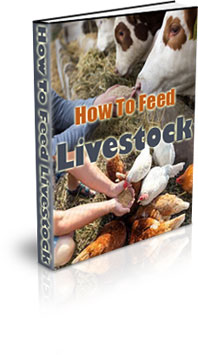
How To Feed Livestock
Feeding livestock is a cornerstone of modern agriculture that bridges the gap between natural animal behavior and the demands of efficient food production.
At its most fundamental level, livestock nutrition is about providing the right balance of energy, protein, vitamins, and minerals to support biological functions ranging from basic maintenance to high-level production such as lactation or muscle growth.
The foundation of any successful feeding program begins with understanding the specific nutritional requirements of each species and production stage. Ruminants like cattle and sheep possess complex digestive systems capable of converting fibrous plant material into usable energy, making pasture and forage central to their diets.
Modern livestock feeding also emphasizes the importance of feed quality and safety. Contaminated or moldy feeds can introduce toxins that compromise animal health and enter the human food chain, making proper storage and handling critical.
Sustainability has become an integral consideration in livestock feeding strategies. The industry faces growing pressure to minimize environmental impacts while maintaining productivity, driving innovation in alternative feed ingredients and circular economy approaches.
By-products from food processing, such as distillers grains or oilseed meals, provide valuable nutrients while reducing waste streams.
Research into novel protein sources like insects and algae offers promising pathways to decrease reliance on traditional crops. Ultimately, effective livestock feeding represents a continuous balancing act between biological needs, economic realities, and environmental stewardship, requiring farmers to be both skilled practitioners and adaptive learners in an ever-evolving agricultural landscape.
"How To Feed Livestock" breaks the mold of all the other books you have heard and read about. It presents solid, proven steps to help you learn how to care for livestock.
With this guide you will discover how to successfully feed:
Cattle
Effective cattle feeding starts with understanding their ruminant digestive system. Cows require a balanced mix of forages and concentrates to maintain health and productivity. Providing consistent access to high-quality feed ensures optimal rumen function, which is essential for nutrient absorption and overall animal well-being on any farm.
Forage forms the foundation of most cattle diets. Grasses, legumes, and silage provide necessary fiber that supports healthy digestion. Farmers must assess pasture quality regularly and supplement with hay during scarce seasons. This natural base reduces reliance on expensive grains while promoting sustainable grazing practices that benefit both livestock and land.
Concentrates like grains and protein supplements boost energy levels. These are particularly important for lactating cows or growing calves needing rapid development. Precise formulation prevents metabolic disorders while maximizing weight gain or milk production. Careful measurement ensures animals receive adequate nutrition without wasting valuable resources or causing digestive upset.
Regular monitoring of body condition scores guides feeding adjustments. Seasonal changes, pregnancy stages, and weather conditions all influence dietary requirements. By observing herd behavior and health indicators, farmers can tailor rations effectively. Proper nutrition directly impacts profitability, making informed feeding decisions crucial for successful and sustainable cattle operations today.
In detail you will learn:
Understanding the Ruminant Digestive System
The Role of Forage in Cattle Diets
Pasture Management and Grazing Strategies
Hay and Silage Production for Winter Feeding
Essential Nutrients: Proteins, Energy, and Minerals
Formulating Balanced Rations for Different Classes
Feeding Calves: From Colostrum to Weaning
Nutrition for Growing and Finishing Beef Cattle
Dietary Requirements for Lactating Dairy Cows
Supplementing with Grains and Concentrates
Managing Feed Efficiency and Cost Control
Preventing Metabolic Disorders Through Nutrition
Seasonal Adjustments and Weather Impacts on Feeding
Sustainable Sourcing and Alternative Feed Ingredients
Monitoring Body Condition and Herd Health
Chickens
Successful chicken farming relies on providing a balanced diet tailored to their specific life stage. Chickens require a mix of proteins, carbohydrates, and essential vitamins to maintain health and productivity. Understanding these basic nutritional needs ensures strong immune systems and consistent egg or meat production for any flock size.
Commercial layer or broiler feeds form the foundation of most diets. These formulated pellets provide consistent nutrition without the guesswork. Farmers must select the correct type based on whether birds are growing, laying eggs, or being raised for meat. Proper feed storage prevents spoilage and maintains nutrient integrity throughout the feeding period.
Supplementing with kitchen scraps and greens adds variety and reduces waste. Fresh vegetables and insects offer natural enrichment that mimics wild foraging behaviors. This approach improves overall bird welfare while lowering feed costs. However, treats should never exceed ten percent of total intake to avoid nutritional imbalances.
Regular observation of flock behavior helps identify dietary issues early. Clean water access is equally critical for digestion and health. Adjusting rations based on season, age, and production goals maximizes efficiency. Consistent feeding practices lead to healthier chickens and better yields for sustainable small-scale or commercial operations.
In detail you will learn:
Understanding Chicken Digestive Physiology
Essential Nutrients: Proteins, Carbohydrates, and Fats
Vitamins and Minerals for Optimal Health
Commercial Feed Types: Starter, Grower, and Layer
Formulating Homemade Diets and Rations
The Role of Grit and Calcium in Digestion
Feeding Chicks: From Hatch to Brooding
Nutrition for Growing Pullets and Cockerels
Dietary Requirements for High Egg Production
Feeding Strategies for Meat Birds and Broilers
Safe Kitchen Scraps and Supplemental Treats
Foraging Behavior and Pasture Integration
Water Management and Hydration Needs
Preventing Nutritional Deficiencies and Disorders
Cost-Effective Feeding for Small-Scale Farms
Sheep
Effective sheep feeding begins with understanding their ruminant nature. These animals thrive on high-fiber diets that support healthy rumen function. Providing consistent access to quality forage ensures proper digestion and nutrient absorption. This foundational approach promotes overall flock health and maximizes productivity for both wool and meat production systems.
Pasture management forms the core of most feeding strategies. Fresh grasses and legumes offer essential proteins and energy during grazing seasons. Farmers must rotate pastures to prevent overgrazing and maintain soil health. Supplementing with hay or silage becomes necessary when natural forage is scarce, ensuring continuous nutrition throughout seasonal changes.
Concentrates like grains boost energy for specific needs. Pregnant ewes, lactating mothers, and growing lambs require additional calories for optimal development. Careful formulation prevents metabolic issues while supporting rapid growth or milk production. Balanced rations help avoid waste and ensure each animal receives adequate nutrition without excessive cost.
Regular monitoring of body condition guides feeding adjustments. Weather conditions, age, and reproductive status influence dietary requirements significantly. Observing flock behavior helps identify health issues early. Proper nutrition directly impacts wool quality and lamb survival rates, making informed feeding decisions crucial for sustainable and profitable sheep farming operations today.
In detail you will learn:
Understanding the Ruminant Digestive System in Sheep
The Importance of High-Quality Forage and Pasture
Pasture Management and Rotational Grazing Strategies
Hay, Silage, and Winter Feeding Essentials
Essential Nutrients: Proteins, Energy, and Fiber
Mineral Supplementation and Trace Elements
Feeding Ewes During Breeding and Gestation
Nutrition for Lactating Ewes and Milk Production
Raising Lambs: Colostrum, Milk, and Weaning
Feeding Strategies for Finishing Market Lambs
Managing Rams for Optimal Breeding Condition
Preventing Metabolic Disorders Like Pregnancy Toxemia
Seasonal Adjustments and Weather Impact on Diet
Cost-Effective Feed Sourcing and Storage Methods
Monitoring Body Condition Scores and Flock Health
Pigs
Successful pig farming relies on providing a balanced diet tailored to their rapid growth rates. Pigs are omnivores requiring a mix of proteins, carbohydrates, and essential vitamins. Understanding these basic nutritional needs ensures strong immune systems and efficient weight gain. Proper nutrition is the foundation for healthy herds and profitable operations in any swine production system.
Commercial feeds form the backbone of most modern diets. These formulated pellets provide consistent energy and amino acids necessary for muscle development. Farmers must select specific rations based on the pig's life stage, from weanlings to finishers. Correct feed selection maximizes feed conversion ratios while minimizing waste and ensuring optimal health throughout the growth cycle.
Supplementing with fresh vegetables and grains adds variety. This approach mimics natural foraging behaviors and improves overall animal welfare. However, treats should remain limited to avoid nutritional imbalances. Kitchen scraps can reduce costs but must be safe and free from contaminants. Balanced supplementation supports digestive health without compromising the primary dietary requirements.
Regular monitoring of body condition guides feeding adjustments. Age, weight, and environmental temperature influence daily caloric needs significantly. Observing herd behavior helps identify health issues early. Clean water access is equally critical for digestion. Consistent feeding practices lead to healthier pigs and better market weights, making informed nutrition strategies crucial for sustainable swine farming success.
In detail you will learn:
Understanding Swine Digestive Physiology
Essential Nutrients: Proteins, Energy, and Amino Acids
Vitamins and Minerals for Optimal Growth
Commercial Feed Types: Starter, Grower, and Finisher
Formulating Balanced Rations for Different Breeds
Feeding Piglets: Colostrum and Weaning Strategies
Nutrition for Growing Pigs and Maximizing Gain
Dietary Requirements for Breeding Sows
Feeding Boars for Reproductive Health
The Role of Fiber and Roughage in Diets
Safe Use of Kitchen Scraps and Alternative Feeds
Water Management and Hydration Needs
Preventing Nutritional Deficiencies and Metabolic Issues
Cost-Effective Feeding Strategies for Small Farms
Monitoring Body Condition and Adjusting Rations
Goats
Effective goat feeding starts with recognizing their unique browsing nature. Unlike grazers, goats prefer shrubs, weeds, and diverse vegetation over simple grass. Providing varied forage supports healthy rumen function and prevents boredom. This natural dietary preference ensures optimal digestion and nutrient absorption, forming the foundation for a thriving herd in any sustainable farming operation.
High-quality hay serves as the primary staple during non-grazing seasons. Legume hays like alfalfa offer essential proteins and calcium for growth. Farmers must ensure feed is mold-free to avoid respiratory issues. Supplementing with mineral blocks addresses specific deficiencies common in certain regions. Consistent access to clean, fresh water remains critical for overall health and proper metabolic function throughout the year.
Concentrates provide necessary energy for high-production animals. Lactating does and growing kids require additional calories beyond forage alone. Grain rations must be carefully measured to prevent urinary calculi and digestive upset. Balancing these supplements supports milk production and rapid weight gain without causing metabolic disorders. Proper formulation ensures efficient feed conversion while maintaining long-term animal vitality.
Regular body condition scoring guides precise feeding adjustments. Seasonal changes, pregnancy, and lactation significantly alter nutritional needs. Observing herd behavior helps identify individual dietary requirements early. Avoiding overfeeding prevents obesity-related health issues. Tailored nutrition strategies enhance disease resistance and productivity, making informed feeding practices essential for successful and profitable goat farming operations today.
In detail you will learn:
Understanding the Browsing Ruminant Digestive System
The Importance of Diverse Forage and Browse
Selecting and Storing High-Quality Hay
Essential Minerals and Supplementation Strategies
Formulating Balanced Rations for Different Breeds
Feeding Kids: Colostrum, Milk, and Weaning
Nutrition for Growing Wethers and Doelings
Dietary Management for Pregnant and Lactating Does
Maintaining Body Condition in Breeding Bucks
Safe Use of Grains and Concentrates
Preventing Urinary Calculi and Metabolic Disorders
Integrating Pasture Rotation with Supplemental Feeding
Water Quality and Hydration Requirements
Cost-Effective Feed Sourcing for Small Herds
Monitoring Health Through Nutritional Assessment
Ducks
Successful duck farming begins with understanding their unique waterfowl physiology. Ducks require a balanced diet rich in protein and niacin to support rapid growth and healthy development. Providing appropriate nutrition from hatchling to adulthood ensures strong immune systems and robust feathering. This foundational approach is critical for both egg production and meat quality in any sustainable flock.
Commercial waterfowl feeds form the core of most dietary plans. These formulated pellets offer consistent nutrients without the guesswork of homemade mixes. Farmers must select starter, grower, or layer rations based on the birds' age and purpose. Proper feed storage prevents mold and maintains nutrient integrity, ensuring ducks receive optimal sustenance throughout their various life stages.
Supplementing with fresh greens and insects adds natural variety. Lettuce, peas, and mealworms mimic wild foraging behaviors while enhancing overall welfare. However, treats should remain limited to prevent nutritional imbalances. Avoid feeding bread or salty scraps, as these can cause serious health issues. Balanced supplementation supports digestive health without compromising essential dietary requirements.
Clean water access is vital for digestion and hygiene. Ducks need water deep enough to submerge their bills while eating. Regular monitoring of flock behavior helps identify dietary issues early. Adjusting rations based on season and production goals maximizes efficiency. Consistent feeding practices lead to healthier ducks and better yields for successful small-scale or commercial operations.
In detail you will learn:
Understanding Waterfowl Digestive Physiology
Essential Nutrients: Protein, Niacin, and Energy
Commercial Feed Types: Starter, Grower, and Layer
The Critical Role of Clean Water in Feeding
Formulating Balanced Rations for Different Breeds
Feeding Ducklings: From Hatch to Brooding
Nutrition for Growing Pullets and Drakes
Dietary Requirements for High Egg Production
Feeding Strategies for Meat Ducks and Roasters
Safe Greens, Vegetables, and Supplemental Treats
Foraging Behavior and Pasture Integration
Preventing Nutritional Deficiencies Like Leg Weakness
Seasonal Adjustments and Winter Feeding Needs
Cost-Effective Feeding for Small-Scale Flocks<
Monitoring Health and Body Condition Scores
Rabbits
Effective horse feeding begins with understanding their hindgut digestive system. Horses require consistent access to high-fiber forage to maintain proper gut motility and prevent colic. Providing quality hay or pasture ensures optimal dental wear and mental well-being. This foundational approach supports overall health and prevents serious metabolic issues in any equine management program.
Forage forms the cornerstone of most equine diets. Grass hays and legumes offer essential nutrients while satisfying natural grazing instincts. Farmers must assess pasture quality regularly and supplement during scarce seasons. Clean, mold-free feed is critical to avoid respiratory problems. Proper storage maintains nutrient integrity, ensuring horses receive sustained energy throughout daily activities and work requirements.
Concentrates like grains provide additional energy for active animals. Performance horses, lactating mares, and growing foals often need extra calories beyond forage alone. Careful formulation prevents digestive upset and metabolic disorders such as laminitis. Balanced rations support muscle development and stamina without causing excessive weight gain or behavioral issues from sugar spikes.
Regular body condition scoring guides precise feeding adjustments. Age, workload, and climate significantly influence daily caloric needs. Observing manure consistency helps identify dietary issues early. Clean water access remains vital for hydration and digestion. Tailored nutrition strategies enhance performance and longevity, making informed feeding practices essential for successful and sustainable horse ownership today.
In detail you will learn:
Understanding the Equine Hindgut Digestive System
The Foundation of Forage: Hay and Pasture Quality
Essential Nutrients: Energy, Protein, and Fiber
Vitamins and Minerals for Optimal Health
Selecting the Right Commercial Feeds and Grains
Feeding Foals: Nursing, Creep Feeding, and Weaning
Nutrition for Growing Yearlings and Adolescents
Dietary Management for Performance and Sport Horses
Feeding Broodmares During Pregnancy and Lactation
Maintaining Condition in Senior Horses
Preventing Colic Through Proper Feeding Practices
Managing Metabolic Disorders Like Laminitis
Water Requirements and Hydration Strategies
Seasonal Adjustments and Winter Feeding Needs
Monitoring Body Condition and Adjusting Rations
Horses
Effective horse feeding begins with understanding their hindgut digestive system. Horses require consistent access to high-fiber forage to maintain proper gut motility and prevent colic. Providing quality hay or pasture ensures optimal dental wear and mental well-being. This foundational approach supports overall health and prevents serious metabolic issues in any equine management program.
Forage forms the cornerstone of most equine diets. Grass hays and legumes offer essential nutrients while satisfying natural grazing instincts. Farmers must assess pasture quality regularly and supplement during scarce seasons. Clean, mold-free feed is critical to avoid respiratory problems. Proper storage maintains nutrient integrity, ensuring horses receive sustained energy throughout daily activities and work requirements.
Concentrates like grains provide additional energy for active animals. Performance horses, lactating mares, and growing foals often need extra calories beyond forage alone. Careful formulation prevents digestive upset and metabolic disorders such as laminitis. Balanced rations support muscle development and stamina without causing excessive weight gain or behavioral issues from sugar spikes.
Regular body condition scoring guides precise feeding adjustments. Age, workload, and climate significantly influence daily caloric needs. Observing manure consistency helps identify dietary issues early. Clean water access remains vital for hydration and digestion. Tailored nutrition strategies enhance performance and longevity, making informed feeding practices essential for successful and sustainable horse ownership today.
In detail you will learn:
Understanding the Equine Hindgut Digestive System
The Foundation of Forage: Hay and Pasture Quality
Essential Nutrients: Energy, Protein, and Fiber
Vitamins and Minerals for Optimal Health
Selecting the Right Commercial Feeds and Grains
Feeding Foals: Nursing, Creep Feeding, and Weaning
Nutrition for Growing Yearlings and Adolescents
Dietary Management for Performance and Sport Horses
Feeding Broodmares During Pregnancy and Lactation
Maintaining Condition in Senior Horses
Preventing Colic Through Proper Feeding Practices
Managing Metabolic Disorders Like Laminitis
Water Requirements and Hydration Strategies
Seasonal Adjustments and Winter Feeding Needs
Monitoring Body Condition and Adjusting Rations
And you will get a complete resource that guides you to where you can order your various livestock and equipment at low prices!
It's All About Profitable livestock
I'm sure the reason why you came to this website and are still reading is because you also want to raise profitable livestock, well look no further cause this ebook only guides you on raising profitable livestock.
The livestock you will raise using the guidelines in this ebook will be profitable to you and will get some good returns in investment not forgetting passive income for years to come, which will pass on to your kids and grand-kids. And it can begin now by you talking this first step and getting your copy of "How To Feed Livestock".
You will save a lot of money from buying farm produce such as meat, and oil when you own livestock farm. livestock farming is a great way to feeding your family with fresh un-processed meat because you can raise your own livestock for production. And since these livestock are yours you can feed them with only healthy feed to make sure they produce quality products.
livestock can be raised in two ways, the commercial way or organic (traditional) way. Since a lot of people are now turning to eating organic foods most farmers are now raising their livestock the organic way. Organic meat is healthier than commercially produced meat which is why people like it. It also tastes a lot better. This ebook also covers how to raise your livestock the organic way. It's all about livestock farming.
"Look At What Other Farmers Say About How To Feed Livestock!"
"You Helped Me Save A Lot"
Hello Sir,
I would like to let you know that your ebook has helped me save a lot in buying books on raising various types of livestock.
When I started raising lobsters I went to a local farming seminar which cost me over $300 to attend and at the end of the seminar I had to buy a lobster handbook which cost $76.
Later last month I decided to start raising oysters as well but just wasn't prepared to spend money again on seminars, I knew that there must be cheaper training.
When searching online for a guide to raising oysters I came across your ebook. And since it teaches how to raise various livestock including mussels at a fraction of the cost of the seminar I attended in only raising scallops, I didn't think twice but to get a copy.
I must say that your ebook does over deliver, it has all in the information they taught us in that raising scallops seminar. Amazing!
I'm so excited now because I got all the guidelines and reference to raise oysters, mussels, crabs and scallops just from your ebook. I don't have to spend money in attending seminars or buying individual books.
Thank You!
Collin de Sousa
"My Only livestock Reference"
Hi Gerard,
When I received the email from you asking me of my feedback I just had to reply you and let you know that your ebook has become my only reference.
I don't think I'll ever need another book in taking care of livestock because your ONE ebook has all the information and guidelines in raising different types of livestock.
Each time I run into difficulty with my herd or want to be double clear if what I'm doing is right, I find guidance to the problem in this ebook. Raising, care, pond maintainance, diseases and treatment is all included. All in one reference!
Accept my thanks!
Tomson Forka
"A Good livestock Foundation"
All I can say to a person who is still thinking of getting this livestock ebook that I highly recommend you do.
I'm an advanced livestock farmer with years of experience and I learned to be a successful farmer the hard way. I had lots of livestock dying at a young age and through diseases that I never knew anything about. And that has cost me a lot. There's a time I sort of regretted being a livestock farmer because I felt it was such a hustle and the return in investment was minimal.
I came across your ebook when looking for treatment for one my oysters that persistently failed to breed and bear young. It was now 3 years and I knew that I had to find a solution.
Reading that your ebook gives guidelines on raising oysters as well I just had to get a copy. After reading a few chapters, how I wished I had gotten it earlier. All the problems I faced in my novice years are covered. I even found the solution of how to treat my oysters in your ebook. Its suitable for a beginner and advanced farmer.
I've always had second thoughts in raising mussels and crabs because of the bad experience I got from raising oysters. But now its not the same, I'm starting with crabs, then mussels later next year using your ebook as reference.
Thanks!
Mr T. Middleting
"Transforming My Seafood Production"
"As someone with a background in aquaculture, I was looking to expand my operation into livestock farming. *How To Feed Livestock* provided the in-depth knowledge I needed to make this transition smoothly. The book covers everything from the biology of livestock to advanced farming techniques in a clear and organized manner.
The section on species selection was particularly useful. It helped me understand which livestock species would be best suited for my system and market. The guidelines on maintaining optimal water conditions and the detailed feeding schedules were crucial in achieving high growth rates and quality.
The book also includes valuable insights on the economic aspects of livestock farming, helping me make informed decisions about pricing and marketing. This guide has been a key resource in expanding my business and improving my seafood production. I highly recommend it to anyone looking to delve into livestock farming."
Virginia O’Donnell
You can't blame me for strongly believing in my livestock ebook. I get a lot of feedback from livestock farmers thanking me and giving me insights on how their livestock farm is growing. I'm now waiting for yours.
You see, beginner livestock farmers face a lot of difficulties when raising livestock. livestock is not that difficult to raise if you know how to. The reason why some beginner farmers fail in raising these livestock is because they don't have enough research on how to raise healthy livestock.
Many People Don't Know Where To Start!
Don't be one of those people who spend a fortune in getting guidance. This ebook will not only save you time on doing the research needed, but also in your pocketbook.
This guide won't leave you hanging not knowing what to do next. Its a step by step livestock farming plan that spells out your next step in plain English, you won't need to look for other information or join any other expensive livestock training course once you have this guide in your disposal.
But that's not all because when you get your copy of "How To Feed Livestock" you will also receive...
Detailed Guide #1
livestock Feeding And Equipment
livestock usually need nutritious food regularly to be healthy, happy and contended.
A diet that is high in energy, low in fiber and supplemented with ample of protein is considered ideal and wholesome to ensure the upward and steady growth your livestock.
livestock can not be called livestock unless they love to eat. Their feeding habits are characterized with rooting and pleading for more food and eating food with a great gusto and relish.
However, in spite of your livestock being constantly obsessed with the idea of eating food, it does not mean you submit to its obsession.
There is a specific and regulated pattern of feeding and eating habits for your livestock and before you give your livestock that extra morsel of food, ponder again!
With this ebook you will discover:
Healthy livestock Feeding
The Right Diet For livestock
How to Make Your Own livestock Feed
Pointers In livestock Feeding
livestock Feeding Equipment
This is a must have guide for every farmer who wants to proper feed their livestock, it's a complete ebook to healthy livestock farming that will ensure that you feed your livestock the right nutrients from a young age.
+
Detailed Guide #2
livestock Pond Design And Equipment
When just beginning in raising livestock the first thing you have to prepare is pond and fish tank..
Raising livestock requires you to build a proper pond for them. The pond provides the fish with water where they can swim and keeps them warm in the winter.
A livestock pond can be designed using light and hard material you may already have in your farm.
The livestock pond that you will farm your livestock has to be in protected area so make sure predators would not consume your livestock.
With this ebook you will discover:
livestock Pond Site Selection
Pond Design And Constructionl
Managing Your Fish Pond
livestock Culture Method
livestock Pond Equipment
With "livestock Pond Design And Management" you’ll be amazed at how simple and easy it is to proper build a pond for your livestock. You will get all the different options to pond building and the required equipment for livestock farming.
How Much Is That Worth To You?
"How To Feed Livestock" retails for $267. But today we are offering it to you for only $97. All of the information on starting livestock farming is simple to understand with images to guide you. You'll never find a guide that guides to on raising various types of livestock in one ebook.
This guide eliminates the time you will spend searching for incomplete information about feeding livestock and poultry. You don't have to purchase a guide on feeding chickens alone, then buy yet another guide on feeding ducks, rabbits, goats, cattle, horses and sheep separately, that will cost you over $900. Just by making a one time investment of $97 you will get all you need to know on raising these various animals at a cost of the price.
You've never seen such a good offer, right? But to make you even more comfortable about your investment, I'll offer you my....
My 3 Month Money Back Guarantee!
EFFORTLESSLY START YOUR OWN LIVESTOCK FARM 100% AT MY RISK WITH A FULL 90 DAY MONEY-BACK GUARANTEE
If You Serious About Raising Profitable livestock Then This Is Your Guide
The cost of living these days is very high and people are looking for ways to save some money at the same time are looking for ways to make some extra income.
Raising your very own livestock is a great way to provide your family with fresh quality products like meat and oil. On the other hand livestock farming is a great way to make some money since you can sell the produce for some good profits.
If you serious on becoming a productive livestock farmer then don't leave this page without getting your copy of this guide.
"I Just Moved To The Country Side"
Hi Gerard!
I'm so glad I got a copy of your ebook. I just moved to the country side and have had a big interest in livestock ever since I was a town person.
I've always admired nature and livestock that I promised myself that once I move to the country side I will raise livestock.
I knew that there is lots of work required to be a livestock farmer, but your ebook has made it look so simple. I mean everything is there about raising the various livestock.
It goes into detail about the forms of livestock, feeding, care and diseases that effect the various livestock. Not forgetting how to treat those diseases as well. What more would a town person like me want.
There are some ready amazing facts as well with these livestock, especially when raising mussels. As soon as I settle down I'll start raising a few crawfish, maybe first start with oysters and lobsters because they seem a little easily to raise. Then with time I will add other livestock like some prawns and crabs.
And with your ebook as my reference I'm sure prepared and looking forward to it. Will let you know of my proceedings.
Thank You!
Mr. Paul Morris
"From Hobby to Success with livestock Farming"
"When I started my livestock farming hobby, I was looking for a comprehensive guide to help me through the initial stages. *How To Feed Livestock* exceeded my expectations with its detailed, easy-to-understand content.
The sections on different livestock species and their specific requirements were particularly informative. The book’s practical advice on setting up a home farm, managing water conditions, and feeding livestock helped me achieve excellent results from the start. I also found the advice on harvesting and preparing livestock very useful.
What stood out the most was the book’s ability to cater to both beginners and more experienced farmers. It provided me with the confidence to turn my hobby into a successful venture. I would highly recommend this ebook to anyone interested in livestock farming, whether for personal pleasure or commercial purposes."
Thanks!
David C., Hobbyist livestock Farmer
Nothing, Absolutely Nothing, Is Left Out!
When it comes to raising livestock, it is very important that you know what you are doing so to avoid failures. You have to know how to feed and build a proper pond for your livestock. You will have to know how to early notice and treat different types of health matters and diseases that will be of harm to your livestock.
And when it come to livestock this is the only guide that covers every aspect of raising healthy livestock. It's a complete guide to being a successful livestock farmer. So if you want to raise any type of livestock listed in this site, make sure you have this ebook for guidance and reference. There's no better time to get into this market as a livestock farmer than now.
P.S. Don’t let guesswork cost you money—this guide eliminates the trial-and-error phase of animal nutrition, helping you avoid costly mistakes like poor growth rates or preventable health issues that can drain your budget before you even see a profit.
P.P.S Remember, well-fed livestock are healthier livestock. By implementing the precise feeding strategies outlined in this book, you’ll not only boost your yield but also significantly reduce veterinary bills and medication costs, creating a more resilient and profitable farm operation.
P.P.P.S If you’re ready to transform your approach to animal husbandry, click the large button below labeled ‘Click Here To Get Your Copy’ to start mastering the art of efficient, sustainable, and profitable livestock feeding today.
"The Next Step Is Yours". Grab this one of its kind livestock ebook that will guide you on how to be a successful livestock farmer today, don't waste anymore of your time trying to find incomplete information on raising livestock, get your How To Feed Livestock just by investing in this guide.....
Yes, Gerard I Too Want To Raise Profitable livestock!
Yes, I Want Instant Download To This Ebook!
Yes, I Want It Now While It's Only $97!
(Important) I understand that this is an 196 page electronic book (e-book) that is downloaded and delivered in PDF format not by mail. It can be read or printed out from any computer that has adobe reader (immediately after payment). The download link will be sent to your Paypal or Clickbank email address.
I understand that this ebook will guide me to raise healthy livestock even if I'm an absolute beginner and haven't tried raising livestock before.
And I understand that by making a one time investment I will receive the following livestock ebooks:
How To Feed Livestock - Which will guide me on how to raise various types of profitable livestock in my very own farm. I will discover how to care for them and profit from their produce.
livestock Feeding And Equipment - This is a complete ebook on how to proper feed my various livestock and make sure they get enough nutrients to grow healthy and strong.
livestock Pond Design And Management - With this ebook I will get guidelines with dimensions on how to build a pond for my livestock and make sure they are well protected.
Get the one and only guide to profitable livestock by adding this guide to your cart below and make a one-time Investment.
You will then be redirected to the secure members area where you will get immediate access to download your "How To Feed Livestock" ebook plus the two detailed guides. Another copy will be sent to your e-mail inbox.
Take Advantage Of This Discount Price And Secure Your Copy Now!
Discover expert strategies in How To Feed Livestock by Gerard Dawn, covering balanced rations, sustainable forage management, and precision nutrition for cattle, poultry, and goats to maximize growth, improve animal health, reduce feed costs, and boost farm profitability through proven animal husbandry techniques for modern self-sufficiency.
Frequently Asked Questions!
What is the most important nutrient for livestock growth?
Protein is essential for muscle development and overall growth, making it a critical component in any balanced livestock feed ration.
How often should I feed my cattle?
Cattle typically benefit from being fed twice daily to maintain consistent rumen function and prevent digestive issues like bloat.
Can I feed kitchen scraps to pigs?
Yes, pigs can eat many kitchen scraps, but you must avoid meat, dairy, and oily foods to prevent health issues and comply with local regulations.
What is the best hay for horses?
Timothy hay is widely considered the best option for most adult horses due to its ideal balance of fiber, protein, and calcium.
How much water do chickens need daily?
An average laying hen requires about one pint of water per day, though this amount increases significantly during hot weather or peak production.

 Optimized Growth and Production: Properly formulated feeds ensure animals receive the precise balance of proteins, carbohydrates, fats, vitamins, and minerals needed for maximum weight gain, milk yield, or egg production, significantly improving farm profitability.
 Feeding livestock is a cornerstone of modern agriculture that bridges the gap between natural animal behavior and the demands of efficient food production.
 Cattle
 Understanding the Ruminant Digestive System



 livestock Feeding And Equipment
 livestock Pond Design And Equipment






 What is the most important nutrient for livestock growth?