"How To Build A Livestock Shelter 'The Healthy Profitable Way' Even If You're Just Starting Out In livestock Farming"
“That's Right, This Is A Beginner's And Advanced Farmers Guide To Housing Cattle, Chickens, Sheep, Pigs, Goats, Ducks, Horses Plus Rabbits Easily And Avoid Costly Mistakes That livestock Owners Are Prone To!"
Date:
Name: Gerard Dawn
Dear livestock Farmer,
You've been searching around for information on how to raise livestock, but you not finding enough guidelines to get you started? Or you have some questions you need answers to when raising livestock? Well look no further because I've got the answers to all questions you may have to raising your own healthy livestock.
Livestock farming has its roots in the Neolithic Revolution, which began around 10,000 BCE when humans transitioned from nomadic hunter-gatherer lifestyles to settled agricultural communities.
This shift marked the domestication of wild animals such as sheep, goats, cattle, and pigs, primarily in regions like the Fertile Crescent in the Middle East. Early farmers selected animals for traits that made them easier to manage and more productive, laying the foundation for systematic animal husbandry.
As civilizations expanded, livestock farming became integral to economic and social structures. In ancient Egypt, Mesopotamia, and the Indus Valley, cattle were not only sources of meat and milk but also served as draft animals for plowing fields and transporting goods.
In the 20th century, livestock farming underwent further transformation with the rise of intensive farming methods, driven by population growth and increased demand for affordable protein.
Today, livestock farming faces new challenges and opportunities. Climate change, resource scarcity, and ethical considerations are prompting shifts toward more sustainable and humane practices. Technologies such as precision livestock farming, which uses sensors and data analytics to monitor animal health and behavior, are gaining traction.
The Benefits Of Raising livestock
Protection from Harsh Weather: A shelter provides essential cover against extreme temperatures, heavy rain, snow, wind, and intense sun, helping animals maintain their body temperature and reducing stress caused by environmental exposure.
Improved Health and Disease Prevention: By keeping livestock dry and off damp ground, shelters reduce the risk of hoof rot, respiratory issues, and parasitic infections, while also allowing for better hygiene management and isolation of sick animals if needed.
Enhanced Safety from Predators: A secure structure acts as a physical barrier against wild predators such as coyotes, foxes, or birds of prey, significantly lowering the risk of injury or loss, particularly for vulnerable young or smaller animals.
Increased Productivity and Growth Rates: Animals that are comfortable and not expending excess energy to stay warm or cool tend to have better feed conversion rates, leading to improved weight gain in meat breeds and higher milk or egg production in dairy and poultry operations.
Better Management and Monitoring: A centralized shelter makes it easier for farmers to observe animal behavior, administer medications, perform routine health checks, and manage feeding schedules, ensuring timely intervention when issues arise.
Extended Lifespan and Reduced Mortality: Consistent protection from the elements and predators contributes to overall animal welfare, reducing stress-related illnesses and accidental deaths, which ultimately leads to a more stable and long-lived herd or flock.
As you see there are lots of benefits as to why one would want to raise their own livestock. When done right livestock farming can be very rewarding and can bring some good profits as well. But it is very important that you know what you are doing when starting out because you can easily make costly mistakes. So read on...
Raising livestock Is Rewarding
There's no doubt that livestock farming is rewarding that's why it's considered as a multi-billion dollar industry because the demand for livestock produce is ever growing.
As a beginner farmer you may think it is impossible to learn to how to care for livestock correctly, but it is not. You too, however, can easily learn how to care for livestock in order to reach your goals.
Without the right tools and information, it could take you years and cost you a fortune to discover the secrets of successful care of livestock, however. Instead of spending a fortune on so-called experts or knocking yourself out with the old trial and error method, there is an easier way to achieve your goals.
Now there’s good news ...
I won’t deny that there are a ton of books out there on the elements of the care of livestock. Unfortunately the problem with most books on the subject is that they are either filled with plenty of promises, no solid techniques and strategies to back up those promises or they contain only one or two pieces of useful information and not a comprehensive look at everything you need to know to succeed.
Introducing...
How To Build A Livestock Shelter
Building a livestock shelter is one of the most critical investments a farmer can make, serving as the cornerstone of animal welfare and operational efficiency.
At its core, a well-designed shelter is not merely a roof over an animal’s head but a carefully engineered environment that mitigates the risks posed by nature.
The primary objective is to provide a buffer against extreme weather conditions, ensuring that animals remain dry during heavy rains, insulated against biting winds in winter, and shaded from oppressive heat in summer.
This thermal regulation is vital because animals expend significant energy trying to maintain their body temperature when exposed to the elements, energy that could otherwise be directed toward growth, milk production, or reproduction.
The construction process begins with selecting the right location, which should offer natural drainage to prevent water accumulation and mud, a common breeding ground for parasites and bacteria.
Beyond physical protection, a livestock shelter plays a pivotal role in biosecurity and health management. It allows farmers to control the environment more effectively, reducing exposure to wild predators and minimizing contact with disease vectors.
Ultimately, building a livestock shelter is an act of stewardship that reflects a commitment to sustainable and ethical farming practices. It transforms a passive outdoor space into an active tool for enhancing animal quality of life, which directly correlates with better economic outcomes for the farmer.
"How To Build A Livestock Shelter" breaks the mold of all the other books you have heard and read about. It presents solid, proven steps to help you learn how to care for livestock.
With this guide you will discover how to successfully raise:
Cattle
Building a cattle house starts with selecting the right location. Choose well-drained land that offers natural shelter from harsh winds while ensuring adequate ventilation. The foundation must be solid and level to support the structure's weight and prevent moisture buildup, which can lead to health issues for your herd.
Design the layout to prioritize animal comfort and efficient management. Include spacious feeding areas, clean water access points, and comfortable resting zones with proper bedding. Adequate space per animal prevents overcrowding stress and reduces disease transmission risks among your cattle population.
Use durable, easy-to-clean materials for walls and flooring. Concrete floors with proper drainage work well, while wooden or metal siding provides longevity. Install robust fencing and secure gates to keep cattle safely contained while allowing easy access for daily care routines and veterinary visits.
Incorporate sustainable features like rainwater collection systems and solar lighting to reduce operational costs. Regular maintenance ensures the structure remains safe and functional for years. A well-designed cattle house promotes healthy livestock and simplifies daily farm management tasks significantly.
In detail you will learn:
Site Selection and Land Preparation
Understanding Cattle Behavioral Needs
Foundation Types and Structural Integrity
Framing Materials and Construction Techniques
Roofing Systems for Weather Protection
Ventilation Strategies and Airflow Design
Flooring Options and Drainage Solutions
Interior Layout and Space Planning
Feeding Stations and Trough Installation
Watering Systems and Access Points
Bedding Areas and Resting Zones
Lighting Requirements and Electrical Setup
Fencing, Gates, and Containment Features
Waste Management and Cleaning Protocols
Final Inspections and Maintenance Schedules
Chickens
Building a chicken house begins with choosing an elevated, well-drained site to prevent dampness and predator access. Ensure the location receives adequate sunlight for warmth while offering shade during hot afternoons. A solid foundation protects against burrowing animals and provides stability for the structure, creating a secure base for your flock’s daily activities and long-term health.
Design the interior with roosting bars positioned higher than nesting boxes to satisfy natural instincts. Include easy-to-clean surfaces and sufficient ventilation to reduce ammonia buildup from droppings. Proper spacing prevents overcrowding stress, allowing each bird enough room to move comfortably while maintaining social harmony within the coop environment.
Use durable, weather-resistant materials like treated wood or metal siding to withstand the elements. Install sturdy hardware cloth on windows and vents to keep predators out while ensuring airflow. Secure latches on doors and nesting areas prevent clever raccoons or foxes from accessing your chickens during vulnerable nighttime hours.
Incorporate sustainable features such as rainwater collection for cleaning and solar-powered lighting for extended day length in winter. Regular maintenance checks ensure structural integrity and hygiene. A well-designed chicken house promotes healthy egg production, reduces disease risks, and simplifies daily care routines for backyard farmers.
In detail you will learn:
Site Selection and Orientation
Understanding Chicken Behavior and Needs
Foundation Types and Ground Preparation
Framing Materials and Structural Design
Roofing Options for Weather Protection
Ventilation Systems and Airflow Management
Flooring Materials and Drainage Solutions
Interior Layout and Space Planning
Roosting Bars and Perch Installation
Nesting Box Design and Placement
Feeding Stations and Trough Setup
Watering Systems and Access Points
Predator-Proofing and Security Features
Lighting Requirements and Electrical Setup
Final Construction Checks and Maintenance
Sheep
Building a proper sheep house begins with selecting an elevated, well-drained site to prevent moisture buildup and hoof rot. The structure should face south in colder climates to maximize natural sunlight and warmth during winter months. Ensure adequate ventilation through ridge vents or adjustable windows to maintain fresh air circulation without creating dangerous drafts that could chill the animals.
The interior requires durable, easy-to-clean flooring such as concrete or compacted gravel covered with deep bedding straw. Install sturdy fencing and gates designed specifically for sheep behavior, accounting for their tendency to crowd and push. Include separate areas for lambing, sick animals, and general housing to manage flock health effectively and reduce stress during critical periods.
Roofing materials must withstand local weather conditions while providing sufficient insulation against extreme temperatures. Metal roofing offers longevity but may require additional insulation layers to prevent heat buildup in summer. Consider installing automatic watering systems and feeders positioned at appropriate heights to minimize waste and contamination from bedding material or fecal matter throughout the barn.
Regular maintenance ensures your sheep house remains safe and functional for years. Check structural integrity seasonally, repair any damaged fencing immediately, and replace soiled bedding regularly to prevent parasite buildup. A well-designed sheep house protects your flock from predators and harsh weather while promoting healthy growth and reducing veterinary costs through improved sanitation and management practices.
In detail you will learn:
Site Selection and Land Preparation
Understanding Sheep Behavioral Needs
Essential Design Principles and Layouts
Foundation Types and Flooring Options
Framing Structures and Material Choices
Roofing Systems and Insulation Strategies
Ventilation and Air Quality Management
Lighting Requirements and Natural Light
Interior Partitioning and Pen Design
Lambing Jugs and Special Care Areas
Feeding and Watering System Integration
Bedding Materials and Waste Management
Predator Proofing and Security Measures
Climate Control for Extreme Weather
Maintenance Schedules and Long-Term Care
Pigs
Constructing a pig house starts with choosing a level, well-drained location to prevent standing water and mud accumulation. Pigs are sensitive to temperature extremes, so orientation matters significantly for natural climate control. Ensure the site is easily accessible for feed delivery and waste removal while maintaining adequate distance from residential areas to manage odor effectively and comply with local zoning regulations.
The structure requires robust materials capable of withstanding strong, intelligent animals that test boundaries frequently. Concrete floors with proper slope facilitate cleaning and drainage, while sturdy walls prevent escape attempts. Install durable gating systems designed specifically for swine strength, ensuring latches are secure yet easy for handlers to operate during daily feeding and maintenance routines without compromising safety.
Ventilation is critical in pig housing to remove ammonia fumes and maintain respiratory health. Combine ridge vents with side curtains or fans to regulate airflow based on seasonal needs. Provide sufficient space per animal to reduce stress and aggression, incorporating separate areas for farrowing sows, growing pigs, and boars to manage different behavioral requirements and life stages appropriately within the facility.
Regular sanitation prevents disease outbreaks and maintains optimal growth rates for your herd. Design the interior with smooth surfaces that resist corrosion and allow easy hosing down. Include rooting areas or outdoor access if possible to satisfy natural behaviors, reducing boredom and destructive tendencies. Consistent maintenance of structural integrity ensures long-term usability and protects your investment in sustainable swine production practices.
In detail you will learn:
Site Selection and Zoning Regulations
Understanding Swine Behavior and Needs
Designing Efficient Floor Plans
Foundation Types and Drainage Systems
Framing Materials and Structural Integrity
Flooring Options for Hygiene and Comfort
Wall Construction and Insulation Methods
Roofing Designs for Climate Control
Ventilation Strategies and Air Quality
Lighting Requirements and Natural Light
Interior Partitioning and Pen Layouts
Farrowing Crates and Nursery Areas
Feeding and Watering System Installation
Waste Management and Sanitation Protocols
Predator Proofing and Security Features
Goats
Building a goat house requires selecting a dry, elevated site to prevent dampness and hoof issues. Goats dislike rain and moisture, so proper drainage is essential for their health. Orient the structure to maximize sunlight exposure, which helps keep the interior warm and dry during colder months while reducing humidity levels that can lead to respiratory problems in your herd.
The structure must be sturdy yet well-ventilated to handle curious climbers who test boundaries frequently. Use durable materials like treated wood or metal for framing, ensuring walls are secure against escape attempts. Install strong fencing around the perimeter and within the barn to separate different groups, such as bucks from does, preventing unwanted breeding and reducing stress among the animals.
Roofing should provide adequate insulation against extreme temperatures while allowing moisture to escape. Metal roofs offer longevity but may require additional ventilation to prevent heat buildup in summer. Include ample windows or ridge vents to maintain fresh air circulation without creating direct drafts on sleeping areas, ensuring a comfortable environment that supports overall herd health and productivity year-round.
Interior design should feature raised sleeping platforms to keep goats off cold, damp floors. Provide sufficient space per animal to reduce crowding and aggression, incorporating separate areas for kidding, sick animals, and general housing. Regular maintenance of bedding and structural integrity ensures a safe, clean environment that minimizes disease risk and promotes healthy growth for your sustainable goat farming operation.
In detail you will learn:
Site Selection and Land Preparation
Understanding Goat Behavior and Needs
Essential Design Principles and Layouts
Foundation Types and Flooring Options
Framing Structures and Material Choices
Roofing Systems and Insulation Strategies
Ventilation and Air Quality Management
Lighting Requirements and Natural Light
Interior Partitioning and Pen Design
Kidding Jugs and Special Care Areas
Feeding and Watering System Integration
Bedding Materials and Waste Management
Predator Proofing and Security Measures
Climate Control for Extreme Weather
Maintenance Schedules and Long-Term Care
Ducks
Building a duck house begins with selecting a site near water sources while ensuring proper drainage to prevent muddy conditions. Ducks thrive in moist environments but require dry sleeping areas to maintain feather health and prevent disease. Orient the structure to protect against prevailing winds, providing shelter from harsh weather while allowing easy access to outdoor ranging areas for natural foraging behaviors.
The interior needs waterproof flooring materials like concrete or heavy-duty plastic that withstand constant moisture and frequent cleaning. Install low roosting platforms since ducks do not perch like chickens, preferring flat surfaces for resting. Ensure walls are smooth and sealed to prevent water infiltration, using durable materials that resist rot and mold growth common in high-humidity environments typical of duck housing facilities.
Ventilation is crucial to remove excess humidity and ammonia from droppings without creating cold drafts. Combine ridge vents with adjustable side openings to regulate airflow based on seasonal needs. Provide adequate nesting boxes filled with soft bedding material, positioned in quiet, dark corners to encourage egg laying. Include separate areas for brooding ducklings to protect them from adult birds and maintain optimal temperature conditions.
Regular maintenance prevents health issues and extends the structure's lifespan. Clean waterers and feeders daily to prevent algae buildup and contamination. Replace soiled bedding frequently to control odor and parasite loads. Inspect roofing and seals seasonally for leaks, ensuring the house remains dry and comfortable. A well-designed duck house supports natural behaviors while promoting flock health and productivity throughout the year.
In detail you will learn:
Site Selection and Water Access Planning
Understanding Duck Behavior and Needs
Essential Design Principles and Layouts
Foundation Types and Drainage Systems
Framing Structures and Material Choices
Waterproof Flooring and Bedding Options
Roofing Systems and Insulation Strategies
Ventilation and Humidity Control
Lighting Requirements and Natural Light
Interior Partitioning and Pen Design
Nesting Boxes and Brooding Areas
Feeding and Watering System Integration
Predator Proofing and Security Measures
Waste Management and Sanitation Protocols
Maintenance Schedules and Long-Term Care
Horses
Building a horse house starts with selecting a well-drained, level site to prevent mud and hoof problems. Proper orientation maximizes natural light and ventilation while shielding from harsh winds. Ensure adequate space for safe movement, as cramped quarters increase injury risk and stress in these large animals.
The structure requires durable materials that withstand kicking and chewing behaviors common in equines. Install sturdy stall partitions with smooth surfaces to prevent injuries, using treated lumber or metal framing. Flooring must provide secure footing through textured concrete or rubber mats over proper drainage bases to support joint health.
Ventilation systems are critical for respiratory health, removing dust and ammonia without creating dangerous drafts. Ridge vents combined with adjustable windows maintain consistent air quality year-round. Include wide aisles for safe handling and equipment access, ensuring doors swing outward to prevent trapping horses during emergencies or routine care activities.
Regular maintenance ensures longevity and animal safety throughout the facility’s lifespan. Inspect fencing and hardware monthly for wear, replacing damaged components immediately. Clean stalls daily and disinfect periodically to control pathogens. A well-designed horse house protects your investment while promoting equine welfare through thoughtful construction and consistent upkeep practices.
In detail you will learn:
Site Selection and Land Preparation
Understanding Equine Behavior and Needs
Essential Design Principles and Layouts
Foundation Types and Drainage Systems
Framing Structures and Material Choices
Stall Construction and Partition Design
Flooring Options for Safety and Comfort
Roofing Systems and Insulation Strategies
Ventilation and Air Quality Management
Lighting Requirements and Natural Light
Interior Aisles and Common Areas
Feeding and Watering System Integration
Bedding Materials and Waste Management
Predator Proofing and Security Measures
Maintenance Schedules and Long-Term Care
Rabbits
Building a rabbit house begins with choosing a sheltered, draft-free location that protects against extreme temperatures and predators. Rabbits are sensitive to heat stress, so adequate shade and ventilation are crucial for their survival. Ensure the site offers easy access for daily cleaning and feeding while maintaining a quiet environment to minimize stress for these naturally timid animals.
The structure requires sturdy wire flooring or solid surfaces with proper drainage to maintain hygiene and prevent sore hocks. Use chew-resistant materials like galvanized steel for framing, as rabbits constantly gnaw on wood. Design compartments with sufficient height for upright movement, incorporating separate nesting areas for does to ensure kit safety during breeding seasons.
Ventilation must balance fresh air circulation with protection from direct drafts that can cause respiratory illness. Install adjustable vents or windows positioned above rabbit level to maintain consistent airflow without chilling occupants. Provide ample natural light to regulate breeding cycles, but avoid direct sunlight exposure that could lead to overheating within the enclosed housing system throughout warmer months.
Regular maintenance prevents disease buildup and extends the habitat's usability. Clean droppings daily and disinfect surfaces weekly to control parasites and bacteria. Replace soiled bedding frequently and inspect structural integrity for signs of wear or damage. A well-designed rabbit house supports natural behaviors while promoting health, productivity, and longevity for your sustainable small-scale livestock operation.
In detail you will learn:
Site Selection and Environmental Considerations
Understanding Rabbit Behavior and Needs
Essential Design Principles and Layouts
Foundation Types and Flooring Options
Framing Structures and Material Choices
Cage Construction and Wire Mesh Selection
Roofing Systems and Weather Protection
Ventilation and Temperature Control
Lighting Requirements and Natural Light
Interior Partitioning and Pen Design
Nesting Boxes and Breeding Areas
Feeding and Watering System Integration
Predator Proofing and Security Measures
Waste Management and Sanitation Protocols
Maintenance Schedules and Long-Term Care
And you will get a complete resource that guides you to where you can order your various livestock and equipment at low prices!
It's All About Profitable livestock
I'm sure the reason why you came to this website and are still reading is because you also want to raise profitable livestock, well look no further cause this ebook only guides you on raising profitable livestock.
The livestock you will raise using the guidelines in this ebook will be profitable to you and will get some good returns in investment not forgetting passive income for years to come, which will pass on to your kids and grand-kids. And it can begin now by you talking this first step and getting your copy of "How To Build A Livestock Shelter".
You will save a lot of money from buying farm produce such as meat, and oil when you own livestock farm. livestock farming is a great way to feeding your family with fresh un-processed meat because you can raise your own livestock for production. And since these livestock are yours you can feed them with only healthy feed to make sure they produce quality products.
livestock can be raised in two ways, the commercial way or organic (traditional) way. Since a lot of people are now turning to eating organic foods most farmers are now raising their livestock the organic way. Organic meat is healthier than commercially produced meat which is why people like it. It also tastes a lot better. This ebook also covers how to raise your livestock the organic way. It's all about livestock farming.
"Look At What Other Farmers Say About How To Build A Livestock Shelter!"
"You Helped Me Save A Lot"
Hello Sir,
I would like to let you know that your ebook has helped me save a lot in buying books on raising various types of livestock.
When I started raising lobsters I went to a local farming seminar which cost me over $300 to attend and at the end of the seminar I had to buy a lobster handbook which cost $76.
Later last month I decided to start raising oysters as well but just wasn't prepared to spend money again on seminars, I knew that there must be cheaper training.
When searching online for a guide to raising oysters I came across your ebook. And since it teaches how to raise various livestock including mussels at a fraction of the cost of the seminar I attended in only raising scallops, I didn't think twice but to get a copy.
I must say that your ebook does over deliver, it has all in the information they taught us in that raising scallops seminar. Amazing!
I'm so excited now because I got all the guidelines and reference to raise oysters, mussels, crabs and scallops just from your ebook. I don't have to spend money in attending seminars or buying individual books.
Thank You!
Collin de Sousa
"My Only livestock Reference"
Hi Gerard,
When I received the email from you asking me of my feedback I just had to reply you and let you know that your ebook has become my only reference.
I don't think I'll ever need another book in taking care of livestock because your ONE ebook has all the information and guidelines in raising different types of livestock.
Each time I run into difficulty with my herd or want to be double clear if what I'm doing is right, I find guidance to the problem in this ebook. Raising, care, pond maintainance, diseases and treatment is all included. All in one reference!
Accept my thanks!
Tomson Forka
"A Good livestock Foundation"
All I can say to a person who is still thinking of getting this livestock ebook that I highly recommend you do.
I'm an advanced livestock farmer with years of experience and I learned to be a successful farmer the hard way. I had lots of livestock dying at a young age and through diseases that I never knew anything about. And that has cost me a lot. There's a time I sort of regretted being a livestock farmer because I felt it was such a hustle and the return in investment was minimal.
I came across your ebook when looking for treatment for one my oysters that persistently failed to breed and bear young. It was now 3 years and I knew that I had to find a solution.
Reading that your ebook gives guidelines on raising oysters as well I just had to get a copy. After reading a few chapters, how I wished I had gotten it earlier. All the problems I faced in my novice years are covered. I even found the solution of how to treat my oysters in your ebook. Its suitable for a beginner and advanced farmer.
I've always had second thoughts in raising mussels and crabs because of the bad experience I got from raising oysters. But now its not the same, I'm starting with crabs, then mussels later next year using your ebook as reference.
Thanks!
Mr T. Middleting
"Transforming My Seafood Production"
"As someone with a background in aquaculture, I was looking to expand my operation into livestock farming. *How To Build A Livestock Shelter* provided the in-depth knowledge I needed to make this transition smoothly. The book covers everything from the biology of livestock to advanced farming techniques in a clear and organized manner.
The section on species selection was particularly useful. It helped me understand which livestock species would be best suited for my system and market. The guidelines on maintaining optimal water conditions and the detailed feeding schedules were crucial in achieving high growth rates and quality.
The book also includes valuable insights on the economic aspects of livestock farming, helping me make informed decisions about pricing and marketing. This guide has been a key resource in expanding my business and improving my seafood production. I highly recommend it to anyone looking to delve into livestock farming."
Virginia O’Donnell
You can't blame me for strongly believing in my livestock ebook. I get a lot of feedback from livestock farmers thanking me and giving me insights on how their livestock farm is growing. I'm now waiting for yours.
You see, beginner livestock farmers face a lot of difficulties when raising livestock. livestock is not that difficult to raise if you know how to. The reason why some beginner farmers fail in raising these livestock is because they don't have enough research on how to raise healthy livestock.
Many People Don't Know Where To Start!
Don't be one of those people who spend a fortune in getting guidance. This ebook will not only save you time on doing the research needed, but also in your pocketbook.
This guide won't leave you hanging not knowing what to do next. Its a step by step livestock farming plan that spells out your next step in plain English, you won't need to look for other information or join any other expensive livestock training course once you have this guide in your disposal.
But that's not all because when you get your copy of "How To Build A Livestock Shelter" you will also receive...
Detailed Guide #1
livestock Feeding And Equipment
livestock usually need nutritious food regularly to be healthy, happy and contended.
A diet that is high in energy, low in fiber and supplemented with ample of protein is considered ideal and wholesome to ensure the upward and steady growth your livestock.
livestock can not be called livestock unless they love to eat. Their feeding habits are characterized with rooting and pleading for more food and eating food with a great gusto and relish.
However, in spite of your livestock being constantly obsessed with the idea of eating food, it does not mean you submit to its obsession.
There is a specific and regulated pattern of feeding and eating habits for your livestock and before you give your livestock that extra morsel of food, ponder again!
With this ebook you will discover:
Healthy livestock Feeding
The Right Diet For livestock
How to Make Your Own livestock Feed
Pointers In livestock Feeding
livestock Feeding Equipment
This is a must have guide for every farmer who wants to proper feed their livestock, it's a complete ebook to healthy livestock farming that will ensure that you feed your livestock the right nutrients from a young age.
+
Detailed Guide #2
livestock Pond Design And Equipment
When just beginning in raising livestock the first thing you have to prepare is pond and fish tank..
Raising livestock requires you to build a proper pond for them. The pond provides the fish with water where they can swim and keeps them warm in the winter.
A livestock pond can be designed using light and hard material you may already have in your farm.
The livestock pond that you will farm your livestock has to be in protected area so make sure predators would not consume your livestock.
With this ebook you will discover:
livestock Pond Site Selection
Pond Design And Constructionl
Managing Your Fish Pond
livestock Culture Method
livestock Pond Equipment
With "livestock Pond Design And Management" you’ll be amazed at how simple and easy it is to proper build a pond for your livestock. You will get all the different options to pond building and the required equipment for livestock farming.
How Much Is That Worth To You?
"How To Build A Livestock Shelter" retails for $267. But today we are offering it to you for only $97. All of the information on starting livestock farming is simple to understand with images to guide you. You'll never find a guide that guides to on raising various types of livestock in one ebook.
This guide eliminates the time you will spend searching for incomplete information about raising livestock and poultry. You don't have to purchase a guide on raising chickens alone, then buy yet another guide on raising ducks, rabbits, goats, cattle, horses and sheep separately, that will cost you over $900. Just by making a one time investment of $97 you will get all you need to know on raising these various animals at a cost of the price.
You've never seen such a good offer, right? But to make you even more comfortable about your investment, I'll offer you my....
My 3 Month Money Back Guarantee!
EFFORTLESSLY START YOUR OWN LIVESTOCK FARM 100% AT MY RISK WITH A FULL 90 DAY MONEY-BACK GUARANTEE
If You Serious About Raising Profitable livestock Then This Is Your Guide
The cost of living these days is very high and people are looking for ways to save some money at the same time are looking for ways to make some extra income.
Raising your very own livestock is a great way to provide your family with fresh quality products like meat and oil. On the other hand livestock farming is a great way to make some money since you can sell the produce for some good profits.
If you serious on becoming a productive livestock farmer then don't leave this page without getting your copy of this guide.
"I Just Moved To The Country Side"
Hi Gerard!
I'm so glad I got a copy of your ebook. I just moved to the country side and have had a big interest in livestock ever since I was a town person.
I've always admired nature and livestock that I promised myself that once I move to the country side I will raise livestock.
I knew that there is lots of work required to be a livestock farmer, but your ebook has made it look so simple. I mean everything is there about raising the various livestock.
It goes into detail about the forms of livestock, feeding, care and diseases that effect the various livestock. Not forgetting how to treat those diseases as well. What more would a town person like me want.
There are some ready amazing facts as well with these livestock, especially when raising mussels. As soon as I settle down I'll start raising a few crawfish, maybe first start with oysters and lobsters because they seem a little easily to raise. Then with time I will add other livestock like some prawns and crabs.
And with your ebook as my reference I'm sure prepared and looking forward to it. Will let you know of my proceedings.
Thank You!
Mr. Paul Morris
"From Hobby to Success with livestock Farming"
"When I started my livestock farming hobby, I was looking for a comprehensive guide to help me through the initial stages. *How To Build A Livestock Shelter* exceeded my expectations with its detailed, easy-to-understand content.
The sections on different livestock species and their specific requirements were particularly informative. The book’s practical advice on setting up a home farm, managing water conditions, and feeding livestock helped me achieve excellent results from the start. I also found the advice on harvesting and preparing livestock very useful.
What stood out the most was the book’s ability to cater to both beginners and more experienced farmers. It provided me with the confidence to turn my hobby into a successful venture. I would highly recommend this ebook to anyone interested in livestock farming, whether for personal pleasure or commercial purposes."
Thanks!
David C., Hobbyist livestock Farmer
Nothing, Absolutely Nothing, Is Left Out!
When it comes to raising livestock, it is very important that you know what you are doing so to avoid failures. You have to know how to feed and build a proper pond for your livestock. You will have to know how to early notice and treat different types of health matters and diseases that will be of harm to your livestock.
And when it come to livestock this is the only guide that covers every aspect of raising healthy livestock. It's a complete guide to being a successful livestock farmer. So if you want to raise any type of livestock listed in this site, make sure you have this ebook for guidance and reference. There's no better time to get into this market as a livestock farmer than now.
P.S. Don’t let another season pass with your animals exposed to the elements. Every day without proper shelter is a day they spend fighting stress instead of growing healthy and productive. Secure their future today by grabbing your copy of *How To Build A Livestock Shelter* and start constructing a safe haven that pays for itself in improved animal health and reduced veterinary bills.
P.P.S Remember, a well-built shelter isn’t just about protection from rain and wind; it’s your first line of defense against predators and disease. By following the step-by-step blueprints in this guide, you’ll create a secure environment that minimizes risk and maximizes peace of mind, allowing you to focus on what you love most about farming rather than worrying about preventable losses.
P.P.P.S As a special bonus for taking action now, you’ll also gain access to our exclusive checklist for maintaining your shelter year-round, ensuring it remains sturdy and hygienic through every season. This simple addition can extend the life of your structure by years and keep your livestock comfortable no matter what nature throws your way. Click the button below to get your copy and start building with confidence.
"The Next Step Is Yours". Grab this one of its kind livestock ebook that will guide you on how to be a successful livestock farmer today, don't waste anymore of your time trying to find incomplete information on raising livestock, get your How To Build A Livestock Shelter just by investing in this guide.....
Yes, Gerard I Too Want To Raise Profitable livestock!
Yes, I Want Instant Download To This Ebook!
Yes, I Want It Now While It's Only $97!
(Important) I understand that this is an 196 page electronic book (e-book) that is downloaded and delivered in PDF format not by mail. It can be read or printed out from any computer that has adobe reader (immediately after payment). The download link will be sent to your Paypal or Clickbank email address.
I understand that this ebook will guide me to raise healthy livestock even if I'm an absolute beginner and haven't tried raising livestock before.
And I understand that by making a one time investment I will receive the following livestock ebooks:
How To Build A Livestock Shelter - Which will guide me on how to raise various types of profitable livestock in my very own farm. I will discover how to care for them and profit from their produce.
livestock Feeding And Equipment - This is a complete ebook on how to proper feed my various livestock and make sure they get enough nutrients to grow healthy and strong.
livestock Pond Design And Management - With this ebook I will get guidelines with dimensions on how to build a pond for my livestock and make sure they are well protected.
Get the one and only guide to profitable livestock by adding this guide to your cart below and make a one-time Investment.
You will then be redirected to the secure members area where you will get immediate access to download your "How To Build A Livestock Shelter" ebook plus the two detailed guides. Another copy will be sent to your e-mail inbox.
Take Advantage Of This Discount Price And Secure Your Copy Now!
Discover expert strategies in *How To Build A Livestock Shelter* by Gerard Dawn, a comprehensive guide covering durable materials, proper ventilation, predator-proof designs, and cost-effective construction techniques for cattle, sheep, goats, and poultry, ensuring optimal animal welfare, improved productivity, and sustainable farm management through practical, step-by-step instructions for beginners and experienced homesteaders seeking reliable, weather-resistant housing solutions.
Frequently Asked Questions!
What is the first step in planning a livestock shelter?
The first step is assessing your specific animal needs, local climate conditions, and available budget to determine the appropriate size, orientation, and materials for your structure.
How much space does each animal need in a shelter?
Generally, cattle require 20-40 square feet per head, sheep need 15-20 square feet, goats require 10-15 square feet, and pigs need 8-10 square feet, though these figures vary by breed and age.
What are the best materials for building a durable livestock shelter?
Pressure-treated lumber, galvanized steel roofing, and concrete foundations are highly recommended for their durability, resistance to rot and pests, and ability to withstand harsh weather conditions over many years.
Why is ventilation important in a livestock shelter?
Proper ventilation prevents the buildup of ammonia from waste, reduces humidity that leads to respiratory issues, and helps regulate temperature, ensuring a healthier environment for your animals.
How do I protect my livestock shelter from predators?
Install sturdy fencing around the perimeter, use secure latches on doors, reinforce walls with hardware cloth or mesh, and ensure there are no gaps where small predators like foxes or raccoons can enter.
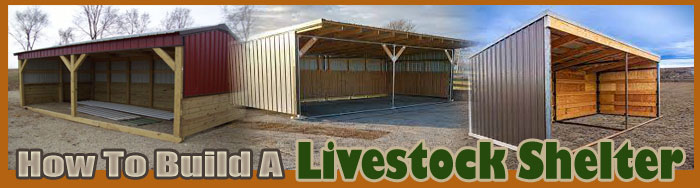
 Protection from Harsh Weather: A shelter provides essential cover against extreme temperatures, heavy rain, snow, wind, and intense sun, helping animals maintain their body temperature and reducing stress caused by environmental exposure.
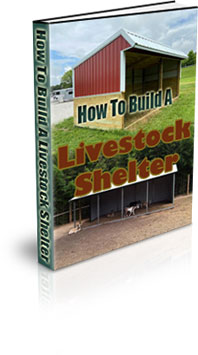 Building a livestock shelter is one of the most critical investments a farmer can make, serving as the cornerstone of animal welfare and operational efficiency.
 Cattle
 Site Selection and Land Preparation


 livestock Feeding And Equipment
 livestock Pond Design And Equipment






 What is the first step in planning a livestock shelter?