"How To Farm Livestock At Home 'The Healthy Profitable Way' For Produce Even If You're Just Starting Out In livestock Farming"
“That's Right, This Is A Beginner's And Advanced Farmers Guide To Raising Cattle, Chickens, Sheep, Pigs, Goats, Ducks, Horses Plus Rabbits Easily And Avoid Costly Mistakes That livestock Owners Are Prone To!"
Date:
Name: Gerard Dawn
Dear livestock Farmer,
You've been searching around for information on how to raise livestock, but you not finding enough guidelines to get you started? Or you have some questions you need answers to when raising livestock? Well look no further because I've got the answers to all questions you may have to raising your own healthy livestock.
The history of keeping livestock at home stretches back thousands of years to the Neolithic Revolution, when humans first transitioned from nomadic hunter-gatherer societies to settled agricultural communities.
This fundamental shift began approximately 10,000 to 12,000 years ago in various regions around the world, including the Fertile Middle East, China, and Mesoamerica.
Early farmers domesticated wild animals such as sheep, goats, cattle, and pigs, initially keeping them close to their dwellings for protection and easy access. These early homesteads integrated animal husbandry directly into daily life, with families managing small herds that provided meat, milk, wool, and labor.
The twentieth century saw further consolidation of livestock production into industrial operations, particularly after World War II when technological advances enabled mass production methods. However, the late twentieth and early twenty-first centuries have witnessed a resurgence of interest in home livestock keeping.
This modern movement is driven by concerns about food safety, environmental sustainability, animal welfare, and self-sufficiency. Contemporary homesteaders and urban farmers now raise chickens, ducks, goats, rabbits, and even bees in suburban and urban settings, often guided by educational resources that emphasize natural behaviors and sustainable practices.
The Benefits Of Raising livestock
Provides a reliable source of high-quality protein through meat, milk, and eggs, contributing to improved nutrition and food security for households and communities.
Generates income and economic stability by allowing farmers to sell animal products, live animals, or by-products such as wool and leather in local and global markets.
Enhances soil fertility and crop productivity through the natural production of manure, which serves as an organic fertilizer that improves soil structure and nutrient content.
Offers draft power and labor for agricultural tasks, such as plowing fields and transporting goods, particularly in regions where mechanized equipment is less accessible or affordable.
Supports sustainable land management by utilizing marginal lands unsuitable for crop cultivation, thereby maximizing resource use and preventing land degradation through controlled grazing.
Creates employment opportunities across various sectors, including feed production, veterinary services, processing, and distribution, contributing to rural development and economic growth.
As you see there are lots of benefits as to why one would want to raise their own livestock. When done right livestock farming can be very rewarding and can bring some good profits as well. But it is very important that you know what you are doing when starting out because you can easily make costly mistakes. So read on...
Raising livestock Is Rewarding
There's no doubt that livestock farming is rewarding that's why it's considered as a multi-billion dollar industry because the demand for livestock produce is ever growing.
As a beginner farmer you may think it is impossible to learn to how to care for livestock correctly, but it is not. You too, however, can easily learn how to care for livestock in order to reach your goals.
Without the right tools and information, it could take you years and cost you a fortune to discover the secrets of successful care of livestock, however. Instead of spending a fortune on so-called experts or knocking yourself out with the old trial and error method, there is an easier way to achieve your goals.
Now there’s good news ...
I won’t deny that there are a ton of books out there on the elements of the care of livestock. Unfortunately the problem with most books on the subject is that they are either filled with plenty of promises, no solid techniques and strategies to back up those promises or they contain only one or two pieces of useful information and not a comprehensive look at everything you need to know to succeed.
Introducing...
How To Farm Livestock At Home
Raising livestock at home has evolved from a historical necessity into a modern movement toward self-sufficiency and sustainable living.
For many contemporary homesteaders, keeping animals is not just about producing food but also about reconnecting with the natural rhythms of life and understanding where their meals come from.
This practice allows individuals to take control of their food quality, ensuring that meat, eggs, and dairy are produced without the hormones, antibiotics, or stressful conditions often found in industrial farming operations.
Starting a home livestock operation requires careful planning and a commitment to learning the specific needs of each species. Chickens are often the gateway animal for beginners due to their manageable size, relatively low cost, and dual purpose of providing both eggs and meat.
s confidence grows, many expand to include ducks, rabbits, or goats, each offering unique benefits such as weed control, milk production, or fiber. Success depends heavily on creating appropriate habitats that respect the natural behaviors of the animals, ensuring they have adequate space, proper shelter, and access to clean water and nutritious feed.
Beyond the tangible outputs of food and fiber, raising livestock at home fosters a deeper appreciation for the complexities of agricultural systems. It teaches responsibility, patience, and respect for life, as daily care routines become integral to the household rhythm.
The waste produced by these animals can be composted to enrich garden soils, creating a closed-loop system that minimizes waste and maximizes resource efficiency.
Ultimately, home livestock farming represents a meaningful step toward resilience, offering both practical rewards and profound personal satisfaction.
"How To Farm Livestock At Home" breaks the mold of all the other books you have heard and read about. It presents solid, proven steps to help you learn how to care for livestock.
With this guide you will discover how to successfully raise:
Cattle
Raising cattle begins with selecting the right breed for your climate and goals. Whether focusing on beef or dairy, understanding genetic traits ensures healthier herds and better productivity. Proper fencing and shelter provide essential protection from weather extremes while allowing adequate grazing space.
Nutrition forms the backbone of successful cattle management. Quality pasture combined with supplemental feed during harsh seasons maintains optimal body condition. Clean water access remains critical year-round, supporting digestion and overall health throughout different growth stages.
Regular veterinary care prevents disease outbreaks and improves herd longevity. Vaccination schedules tailored to regional risks protect against common illnesses. Monitoring behavior helps identify early signs of health issues before they escalate into serious problems.
Sustainable practices benefit both animals and land resources. Rotational grazing prevents overgrazing while promoting soil health. Responsible waste management minimizes environmental impact, creating a balanced ecosystem that supports long-term agricultural success and profitability.
In detail you will learn:
Introduction to Cattle Farming
Choosing the Right Breed for Your Goals
Setting Up Infrastructure and Fencing
Understanding Cattle Behavior and Handling
Nutrition Fundamentals and Feed Types
Pasture Management and Rotational Grazing
Water Systems and Hydration Needs
Breeding Strategies and Reproductive Health
Calving Management and Newborn Care
Herd Health Programs and Vaccinations
Identifying and Treating Common Diseases
Daily Monitoring and Record Keeping
Sustainable Practices and Environmental Stewardship
Marketing Beef or Dairy Products
Financial Planning and Long-Term Profitability
Chickens
Raising chickens starts with selecting breeds suited to your climate and purpose, whether for eggs or meat. Proper coop design ensures ventilation, protection from predators, and comfortable nesting areas. Adequate space prevents stress and promotes healthy social dynamics within the flock.
Balanced nutrition drives productivity and longevity. Layer feeds support egg production while broiler diets optimize growth rates. Fresh water must remain accessible at all times, supplemented by grit and calcium for strong shells and digestive health throughout their lifecycle.
Regular health checks prevent disease spread and maintain flock vitality. Vaccinations protect against common illnesses like Newcastle disease. Observing behavior helps identify early signs of illness, allowing prompt intervention before issues escalate into larger problems affecting the entire group.
Sustainable practices enhance both animal welfare and environmental balance. Composting manure creates valuable fertilizer while reducing waste. Rotating pasture areas prevents soil depletion and parasite buildup, ensuring a thriving ecosystem that supports long-term poultry farming success and self-sufficiency goals.
In detail you will learn:
Introduction to Backyard and Small-Scale Chicken Farming
Selecting the Right Breed for Eggs, Meat, or Dual Purpose
Designing and Building a Secure Coop
Creating Predator-Proof Runs and Fencing
Understanding Chicken Behavior and Social Dynamics
Essential Nutrition and Feed Formulations
Water Systems and Hydration Management
Brooding Chicks and Early Stage Care
Egg Production Optimization and Collection
Health Monitoring and Preventative Care
Common Diseases and Treatment Protocols
Molting, Seasonal Changes, and Winter Care
Sustainable Practices and Manure Management
Processing Meat Birds Ethically and Efficiently
Marketing Products and Financial Planning
Sheep
Raising sheep begins with choosing breeds aligned with your goals, whether for wool, meat, or milk. Hardy varieties thrive in harsh climates while specialized breeds excel in specific production areas. Proper fencing and shelter protect flocks from predators and extreme weather conditions effectively.
Nutrition drives healthy growth and productivity throughout the year. Quality pasture provides essential nutrients during grazing seasons while supplemental hay supports winter needs. Mineral supplements address regional deficiencies ensuring strong bones and robust immune systems for all ages within the flock consistently.
Regular health management prevents disease outbreaks and maintains flock vitality. Vaccinations protect against common illnesses like clostridial diseases. Routine hoof trimming and parasite control programs reduce stress and improve overall welfare while monitoring behavior helps identify early signs of health issues promptly.
Sustainable practices benefit both animals and land resources significantly. Rotational grazing prevents overgrazing and promotes soil health naturally. Responsible waste management minimizes environmental impact creating a balanced ecosystem that supports long-term agricultural success and profitability for small-scale and commercial sheep operations alike.
In detail you will learn:
Introduction to Sheep Farming and Industry Overview
Selecting the Right Breed for Wool, Meat, or Milk
Setting Up Fencing, Shelter, and Handling Facilities
Understanding Sheep Behavior and Herd Dynamics
Nutritional Requirements and Feed Management
Pasture Management and Rotational Grazing Systems
Water Supply and Mineral Supplementation
Breeding Strategies and Ram Selection
Lambing Season Preparation and Care
Newborn Lamb Management and Weaning
Health Care Programs and Vaccination Schedules
Parasite Control and Internal Health Management
Shearing, Wool Handling, and Fiber Quality
Sustainable Practices and Environmental Stewardship
Marketing Wool, Meat, and Financial Planning
Pigs
Raising pigs starts with selecting breeds suited to your climate and production goals. Heritage breeds offer hardiness while commercial varieties maximize growth efficiency. Secure housing protects against weather extremes and predators, ensuring a stress-free environment that promotes healthy development throughout their lifecycle.
Balanced nutrition drives optimal weight gain and meat quality. High-quality feed combined with fresh water supports rapid growth stages. Supplementing with minerals ensures strong bone structure and immune function. Proper feeding schedules prevent waste while maintaining consistent body condition across the herd for maximum productivity.
Regular health monitoring prevents disease outbreaks and maintains herd vitality. Vaccinations protect against common swine illnesses like erysipelas. Observing behavior helps identify early signs of respiratory or digestive issues. Prompt veterinary intervention reduces mortality rates and ensures overall welfare remains high throughout the raising process.
Sustainable practices enhance environmental balance and farm profitability. Composting manure creates valuable fertilizer while reducing odor and waste. Rotating pasture areas prevents soil depletion and parasite buildup. Responsible management ensures long-term success in both small-scale homesteading and larger commercial pig farming operations effectively.
In detail you will learn:
Introduction to Pig Farming and Industry Overview
Selecting the Right Breed for Meat or Heritage Goals
Designing Secure Housing and Farrowing Areas
Understanding Pig Behavior and Social Dynamics
Nutritional Requirements and Feed Formulations
Water Systems and Hydration Management
Breeding Strategies and Boar Selection
Farrowing Management and Sow Care
Piglet Care, Weaning, and Early Growth
Grower and Finisher Stage Management
Herd Health Programs and Vaccination Schedules
Identifying and Treating Common Swine Diseases
Waste Management and Environmental Sustainability
Processing, Butchering, and Meat Quality
Marketing Pork Products and Financial Planning
Goats
Raising goats begins with selecting breeds suited to your goals, whether for milk, meat, or fiber. Hardy varieties thrive in rugged terrain while specialized breeds excel in dairy production. Secure fencing and adequate shelter protect herds from predators and harsh weather, ensuring a safe environment for healthy growth and development.
Proper nutrition drives productivity and overall herd health. Quality browse combined with supplemental hay meets dietary needs during scarce seasons. Mineral supplements address regional deficiencies, supporting strong bones and robust immune systems. Fresh water must remain accessible at all times to maintain digestion and hydration levels consistently.
Regular veterinary care prevents disease outbreaks and maintains vitality. Vaccinations protect against common illnesses like enterotoxemia. Routine hoof trimming and parasite control reduce stress and improve welfare. Observing behavior helps identify early signs of health issues, allowing prompt intervention before problems escalate within the herd.
Sustainable practices benefit both animals and land resources significantly. Rotational browsing prevents overgrazing and promotes vegetation recovery. Responsible manure management creates valuable fertilizer while minimizing environmental impact. These methods ensure long-term agricultural success and profitability for small-scale and commercial goat farming operations alike.
In detail you will learn:
Introduction to Goat Farming and Industry Overview Selecting the Right Breed for Milk, Meat, or Fiber Designing Secure Housing and Fencing Systems Understanding Goat Behavior and Herd Dynamics Nutritional Requirements and Feed Management Pasture and Browse Management Strategies Water Supply and Mineral Supplementation Breeding Strategies and Buck Selection Kidding Season Preparation and Care Kid Rearing, Weaning, and Early Growth Herd Health Programs and Vaccination Schedules Parasite Control and Internal Health Management Hoof Care, Grooming, and General Maintenance Sustainable Practices and Environmental Stewardship Marketing Products and Financial Planning
Ducks
Raising ducks begins with selecting breeds suited to your goals, whether for eggs, meat, or pest control. Hardy varieties thrive near water while specialized breeds excel in specific production areas. Secure housing protects flocks from predators and weather extremes, ensuring a safe environment that promotes healthy development throughout their lifecycle.
Balanced nutrition drives optimal growth and egg production. Waterfowl feed combined with fresh water supports rapid development stages. Grit aids digestion while niacin supplements prevent leg problems common in young ducklings. Proper feeding schedules maintain consistent body condition and maximize productivity across the entire flock effectively.
Regular health monitoring prevents disease outbreaks and maintains vitality. Clean water access reduces bacterial infections and respiratory issues. Observing behavior helps identify early signs of illness or nutritional deficiencies. Prompt veterinary intervention ensures overall welfare remains high while minimizing mortality rates within the flock consistently.
Sustainable practices enhance environmental balance and farm profitability. Integrating ducks into garden systems provides natural pest control and fertilization. Responsible waste management creates valuable compost while reducing odor. These methods ensure long-term success in both small-scale homesteading and larger commercial duck farming operations alike.
In detail you will learn:
Introduction to Duck Farming and Benefits Selecting the Right Breed for Eggs, Meat, or Ornamentals Designing Secure Coops and Predator-Proof Housing Creating Ideal Water Features and Pond Management Understanding Duck Behavior and Social Dynamics Nutritional Requirements and Feed Formulations Water Access and Hydration Essentials Brooding Ducklings and Early Stage Care Egg Production Optimization and Collection Herd Health Programs and Preventative Care Identifying and Treating Common Duck Diseases Molting, Seasonal Changes, and Winter Care Sustainable Practices and Garden Integration Processing Meat Birds and Ethical Harvesting Marketing Products and Financial Planning
Horses
Raising horses begins with selecting breeds aligned with your intended use, whether for riding, work, or companionship. Understanding temperament and physical traits ensures a good match for your experience level. Secure fencing and sturdy shelter provide essential protection from weather extremes while allowing adequate turnout space for natural movement and social interaction.
Proper nutrition forms the foundation of equine health and performance. Quality hay combined with concentrated feeds meets energy demands based on activity levels. Fresh water must remain accessible at all times, supplemented by salt and minerals to support hydration and metabolic functions throughout different seasons and life stages.
Regular veterinary care prevents disease and maintains optimal condition. Vaccinations protect against common illnesses like tetanus and influenza. Routine dental checks and hoof trimming ensure comfort and mobility. Observing behavior helps identify early signs of lameness or colic, allowing prompt intervention before minor issues escalate into serious health problems.
Sustainable management practices benefit both horses and land resources. Rotational grazing prevents pasture degradation and reduces parasite loads. Responsible manure composting creates valuable fertilizer while minimizing environmental impact. These methods promote long-term welfare and profitability, ensuring a balanced ecosystem that supports healthy, happy horses in any setting.
In detail you will learn:
Introduction to Horse Ownership and Care Selecting the Right Breed for Your Needs Designing Safe Fencing and Shelter Systems Understanding Equine Behavior and Herd Dynamics Nutritional Requirements and Feed Management Pasture Management and Rotational Grazing Water Supply and Mineral Supplementation Basic Health Care and Veterinary Partnerships Vaccination Schedules and Disease Prevention Hoof Care, Farrier Services, and Maintenance Dental Care and Oral Health Management Breeding, Foaling, and Newborn Care Training Basics and Handling Techniques Sustainable Practices and Manure Management Financial Planning and Long-Term Commitment
Rabbits
Raising rabbits begins with selecting breeds suited to your goals, whether for meat, fur, or companionship. Hardy varieties thrive in outdoor hutches while smaller breeds adapt well to indoor environments. Secure housing protects against predators and extreme weather, ensuring a stress-free space that promotes healthy growth and natural behaviors throughout their lifecycle.
Balanced nutrition drives optimal health and reproduction rates. High-quality hay forms the dietary foundation, supplemented by fresh vegetables and limited pellets. Clean water must remain accessible at all times to support digestion and hydration. Proper feeding schedules prevent obesity while maintaining consistent body condition across the herd for maximum productivity and vitality.
Regular health monitoring prevents disease outbreaks and maintains colony welfare. Vaccinations protect against common illnesses like myxomatosis where applicable. Observing behavior helps identify early signs of respiratory issues or dental problems. Prompt veterinary intervention reduces mortality rates and ensures overall well-being remains high throughout the raising process effectively.
Sustainable practices enhance environmental balance and farm efficiency. Composting manure creates valuable organic fertilizer while reducing waste accumulation. Responsible breeding programs prevent overpopulation and maintain genetic diversity. These methods ensure long-term success in both small-scale homesteading and larger commercial rabbit farming operations, supporting ethical and profitable agricultural practices.
In detail you will learn:
Introduction to Rabbit Farming and Industry Overview Selecting the Right Breed for Meat, Fur, or Pets Designing Secure Hutches and Housing Systems Understanding Rabbit Behavior and Social Needs Nutritional Requirements and Feed Management Water Systems and Hydration Essentials Breeding Strategies and Buck Selection Kindling Management and Doe Care Kit Rearing, Weaning, and Early Growth Herd Health Programs and Vaccination Schedules Identifying and Treating Common Rabbit Diseases Grooming, Nail Trimming, and General Maintenance Waste Management and Manure Composting Processing Meat Rabbits and Fur Harvesting Marketing Products and Financial Planning
And you will get a complete resource that guides you to where you can order your various livestock and equipment at low prices!
It's All About Profitable livestock
I'm sure the reason why you came to this website and are still reading is because you also want to raise profitable livestock, well look no further cause this ebook only guides you on raising profitable livestock.
The livestock you will raise using the guidelines in this ebook will be profitable to you and will get some good returns in investment not forgetting passive income for years to come, which will pass on to your kids and grand-kids. And it can begin now by you talking this first step and getting your copy of "How To Farm Livestock At Home".
You will save a lot of money from buying farm produce such as meat, and oil when you own livestock farm. livestock farming is a great way to feeding your family with fresh un-processed meat because you can raise your own livestock for production. And since these livestock are yours you can feed them with only healthy feed to make sure they produce quality products.
livestock can be raised in two ways, the commercial way or organic (traditional) way. Since a lot of people are now turning to eating organic foods most farmers are now raising their livestock the organic way. Organic meat is healthier than commercially produced meat which is why people like it. It also tastes a lot better. This ebook also covers how to raise your livestock the organic way. It's all about livestock farming.
"Look At What Other Farmers Say About How To Farm Livestock At Home!"
"You Helped Me Save A Lot"
Hello Sir,
I would like to let you know that your ebook has helped me save a lot in buying books on raising various types of livestock.
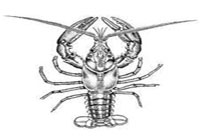
When I started raising lobsters I went to a local farming seminar which cost me over $300 to attend and at the end of the seminar I had to buy a lobster handbook which cost $76.
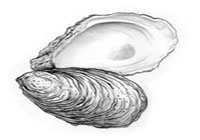
Later last month I decided to start raising oysters as well but just wasn't prepared to spend money again on seminars, I knew that there must be cheaper training.
When searching online for a guide to raising oysters I came across your ebook. And since it teaches how to raise various livestock including mussels at a fraction of the cost of the seminar I attended in only raising scallops, I didn't think twice but to get a copy.
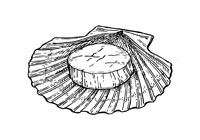
I must say that your ebook does over deliver, it has all in the information they taught us in that raising scallops seminar. Amazing!
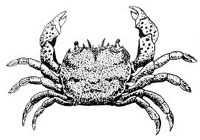
I'm so excited now because I got all the guidelines and reference to raise oysters, mussels, crabs and scallops just from your ebook. I don't have to spend money in attending seminars or buying individual books.
Thank You!
Collin de Sousa
"My Only livestock Reference"
Hi Gerard,
When I received the email from you asking me of my feedback I just had to reply you and let you know that your ebook has become my only reference.
I don't think I'll ever need another book in taking care of livestock because your ONE ebook has all the information and guidelines in raising different types of livestock.
Each time I run into difficulty with my herd or want to be double clear if what I'm doing is right, I find guidance to the problem in this ebook. Raising, care, pond maintainance, diseases and treatment is all included. All in one reference!
Accept my thanks!
Tomson Forka
"A Good livestock Foundation"
All I can say to a person who is still thinking of getting this livestock ebook that I highly recommend you do.
I'm an advanced livestock farmer with years of experience and I learned to be a successful farmer the hard way. I had lots of livestock dying at a young age and through diseases that I never knew anything about. And that has cost me a lot. There's a time I sort of regretted being a livestock farmer because I felt it was such a hustle and the return in investment was minimal.
I came across your ebook when looking for treatment for one my oysters that persistently failed to breed and bear young. It was now 3 years and I knew that I had to find a solution.
Reading that your ebook gives guidelines on raising oysters as well I just had to get a copy. After reading a few chapters, how I wished I had gotten it earlier. All the problems I faced in my novice years are covered. I even found the solution of how to treat my oysters in your ebook. Its suitable for a beginner and advanced farmer.
I've always had second thoughts in raising mussels and crabs because of the bad experience I got from raising oysters. But now its not the same, I'm starting with crabs, then mussels later next year using your ebook as reference.
Thanks!
Mr T. Middleting
"Transforming My Seafood Production"
"As someone with a background in aquaculture, I was looking to expand my operation into livestock farming. *How To Farm Livestock At Home* provided the in-depth knowledge I needed to make this transition smoothly. The book covers everything from the biology of livestock to advanced farming techniques in a clear and organized manner.
The section on species selection was particularly useful. It helped me understand which livestock species would be best suited for my system and market. The guidelines on maintaining optimal water conditions and the detailed feeding schedules were crucial in achieving high growth rates and quality.
The book also includes valuable insights on the economic aspects of livestock farming, helping me make informed decisions about pricing and marketing. This guide has been a key resource in expanding my business and improving my seafood production. I highly recommend it to anyone looking to delve into livestock farming."
Virginia O’Donnell
You can't blame me for strongly believing in my livestock ebook. I get a lot of feedback from livestock farmers thanking me and giving me insights on how their livestock farm is growing. I'm now waiting for yours.
You see, beginner livestock farmers face a lot of difficulties when raising livestock. livestock is not that difficult to raise if you know how to. The reason why some beginner farmers fail in raising these livestock is because they don't have enough research on how to raise healthy livestock.
Many People Don't Know Where To Start!
Don't be one of those people who spend a fortune in getting guidance. This ebook will not only save you time on doing the research needed, but also in your pocketbook.
This guide won't leave you hanging not knowing what to do next. Its a step by step livestock farming plan that spells out your next step in plain English, you won't need to look for other information or join any other expensive livestock training course once you have this guide in your disposal.
But that's not all because when you get your copy of "How To Farm Livestock At Home" you will also receive...
Detailed Guide #1
livestock Feeding And Equipment
livestock usually need nutritious food regularly to be healthy, happy and contended.
A diet that is high in energy, low in fiber and supplemented with ample of protein is considered ideal and wholesome to ensure the upward and steady growth your livestock.
livestock can not be called livestock unless they love to eat. Their feeding habits are characterized with rooting and pleading for more food and eating food with a great gusto and relish.
However, in spite of your livestock being constantly obsessed with the idea of eating food, it does not mean you submit to its obsession.
There is a specific and regulated pattern of feeding and eating habits for your livestock and before you give your livestock that extra morsel of food, ponder again!
With this ebook you will discover:
Healthy livestock Feeding
The Right Diet For livestock
How to Make Your Own livestock Feed
Pointers In livestock Feeding
livestock Feeding Equipment
This is a must have guide for every farmer who wants to proper feed their livestock, it's a complete ebook to healthy livestock farming that will ensure that you feed your livestock the right nutrients from a young age.
+
Detailed Guide #2
livestock Pond Design And Equipment
When just beginning in raising livestock the first thing you have to prepare is pond and fish tank..
Raising livestock requires you to build a proper pond for them. The pond provides the fish with water where they can swim and keeps them warm in the winter.
A livestock pond can be designed using light and hard material you may already have in your farm.
The livestock pond that you will farm your livestock has to be in protected area so make sure predators would not consume your livestock.
With this ebook you will discover:
livestock Pond Site Selection
Pond Design And Constructionl
Managing Your Fish Pond
livestock Culture Method
livestock Pond Equipment
With "livestock Pond Design And Management" you’ll be amazed at how simple and easy it is to proper build a pond for your livestock. You will get all the different options to pond building and the required equipment for livestock farming.
How Much Is That Worth To You?
"How To Farm Livestock At Home" retails for $267. But today we are offering it to you for only $97. All of the information on starting livestock farming is simple to understand with images to guide you. You'll never find a guide that guides to on raising various types of livestock in one ebook.
This guide eliminates the time you will spend searching for incomplete information about raising livestock and poultry. You don't have to purchase a guide on raising chickens alone, then buy yet another guide on raising ducks, rabbits, goats, cattle, horses and sheep separately, that will cost you over $900. Just by making a one time investment of $97 you will get all you need to know on raising these various animals at a cost of the price.
You've never seen such a good offer, right? But to make you even more comfortable about your investment, I'll offer you my....
My 3 Month Money Back Guarantee!
EFFORTLESSLY START YOUR OWN SHELLFISH FARM 100% AT MY RISK WITH A FULL 90 DAY MONEY-BACK GUARANTEE
If You Serious About Raising Profitable livestock Then This Is Your Guide
The cost of living these days is very high and people are looking for ways to save some money at the same time are looking for ways to make some extra income.
Raising your very own livestock is a great way to provide your family with fresh quality products like meat and oil. On the other hand livestock farming is a great way to make some money since you can sell the produce for some good profits.
If you serious on becoming a productive livestock farmer then don't leave this page without getting your copy of this guide.
"I Just Moved To The Country Side"
Hi Gerard!
I'm so glad I got a copy of your ebook. I just moved to the country side and have had a big interest in livestock ever since I was a town person.
I've always admired nature and livestock that I promised myself that once I move to the country side I will raise livestock.
I knew that there is lots of work required to be a livestock farmer, but your ebook has made it look so simple. I mean everything is there about raising the various livestock.
It goes into detail about the forms of livestock, feeding, care and diseases that effect the various livestock. Not forgetting how to treat those diseases as well. What more would a town person like me want.
There are some ready amazing facts as well with these livestock, especially when raising mussels. As soon as I settle down I'll start raising a few crawfish, maybe first start with oysters and lobsters because they seem a little easily to raise. Then with time I will add other livestock like some prawns and crabs.
And with your ebook as my reference I'm sure prepared and looking forward to it. Will let you know of my proceedings.
Thank You!
Mr. Paul Morris
"From Hobby to Success with livestock Farming"
"When I started my livestock farming hobby, I was looking for a comprehensive guide to help me through the initial stages. *How To Farm Livestock At Home* exceeded my expectations with its detailed, easy-to-understand content.
The sections on different livestock species and their specific requirements were particularly informative. The book’s practical advice on setting up a home farm, managing water conditions, and feeding livestock helped me achieve excellent results from the start. I also found the advice on harvesting and preparing livestock very useful.
What stood out the most was the book’s ability to cater to both beginners and more experienced farmers. It provided me with the confidence to turn my hobby into a successful venture. I would highly recommend this ebook to anyone interested in livestock farming, whether for personal pleasure or commercial purposes."
Thanks!
David C., Hobbyist livestock Farmer
Nothing, Absolutely Nothing, Is Left Out!
When it comes to raising livestock, it is very important that you know what you are doing so to avoid failures. You have to know how to feed and build a proper pond for your livestock. You will have to know how to early notice and treat different types of health matters and diseases that will be of harm to your livestock.
And when it come to livestock this is the only guide that covers every aspect of raising healthy livestock. It's a complete guide to being a successful livestock farmer. So if you want to raise any type of livestock listed in this site, make sure you have this ebook for guidance and reference. There's no better time to get into this market as a livestock farmer than now.
P.S. Don’t let the complexity of industrial agriculture intimidate you; this guide breaks down every step into manageable, daily actions that fit seamlessly into your current lifestyle, proving that you don’t need a massive acreage to start building your self-sufficient homestead today.
P.P.S Remember that every day you wait is another day you rely on uncertain supply chains and processed foods; by clicking the button below, you gain immediate access to the exact strategies used by successful small-scale farmers to raise healthy, productive animals while significantly reducing your grocery bills.
P.P.P.S If you are serious about taking control of your family’s nutrition and financial future, this book is your blueprint for avoiding the costly mistakes beginners often make, ensuring you start your livestock journey with confidence, clarity, and expert-backed knowledge from Gerard Dawn.
"The Next Step Is Yours". Grab this one of its kind livestock ebook that will guide you on how to be a successful livestock farmer today, don't waste anymore of your time trying to find incomplete information on raising livestock, get your How To Farm Livestock At Home just by investing in this guide.....
Yes, Gerard I Too Want To Raise Profitable livestock!
Yes, I Want Instant Download To This Ebook!
Yes, I Want It Now While It's Only $97!
(Important) I understand that this is an 196 page electronic book (e-book) that is downloaded and delivered in PDF format not by mail. It can be read or printed out from any computer that has adobe reader (immediately after payment). The download link will be sent to your Paypal or Clickbank email address.
I understand that this ebook will guide me to raise healthy livestock even if I'm an absolute beginner and haven't tried raising livestock before.
And I understand that by making a one time investment I will receive the following livestock ebooks:
How To Farm Livestock At Home - Which will guide me on how to raise various types of profitable livestock in my very own farm. I will discover how to care for them and profit from their produce.
livestock Feeding And Equipment - This is a complete ebook on how to proper feed my various livestock and make sure they get enough nutrients to grow healthy and strong.
livestock Pond Design And Management - With this ebook I will get guidelines with dimensions on how to build a pond for my livestock and make sure they are well protected.
Get the one and only guide to profitable livestock by adding this guide to your cart below and make a one-time Investment.
You will then be redirected to the secure members area where you will get immediate access to download your "How To Farm Livestock At Home" ebook plus the two detailed guides. Another copy will be sent to your e-mail inbox.
Take Advantage Of This Discount Price And Secure Your Copy Now!
Discover expert strategies in How To Farm Livestock At Home by Gerard Dawn, covering sustainable chicken farming, goat husbandry, and duck raising for self-sufficiency, enabling you to create a productive backyard homestead with natural habitats, organic feed, and ethical practices that ensure healthy animals, fresh food security, and significant cost savings for your family today.
Frequently Asked Questions!
What is the best livestock for beginners to raise at home?
Chickens are widely considered the best starting point because they require less space, have lower initial costs, and provide a steady supply of eggs while being relatively easy to manage for novices.
How much space do I need to start farming livestock at home?
You can start with just a small backyard plot for chickens or rabbits, but larger animals like goats or pigs require at least a quarter to half an acre per animal to ensure adequate grazing and movement.
Is it legal to raise livestock in urban or suburban areas?
Laws vary significantly by municipality, so you must check your local zoning ordinances and homeowner association rules regarding noise, odor, and specific animal restrictions before purchasing any livestock.
What kind of shelter do home-raised animals need?
Shelter requirements depend on the species, but generally, animals need a dry, well-ventilated structure that protects them from extreme weather, predators, and direct sunlight, such as a coop for chickens or a sturdy barn for goats.
How much does it cost to start a small home livestock farm?
Initial costs can range from a few hundred dollars for a small chicken flock to several thousand for larger animals like cows or horses, including expenses for fencing, housing, feeders, and the animals themselves.
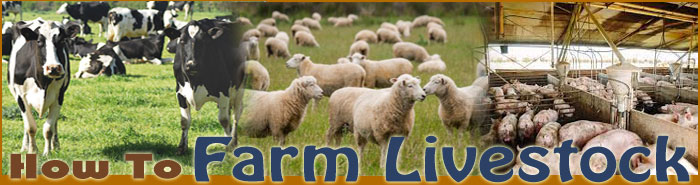
 Provides a reliable source of high-quality protein through meat, milk, and eggs, contributing to improved nutrition and food security for households and communities.
 Raising livestock at home has evolved from a historical necessity into a modern movement toward self-sufficiency and sustainable living.
 Cattle
 Introduction to Cattle Farming

 livestock Feeding And Equipment
 livestock Pond Design And Equipment







 What is the best livestock for beginners to raise at home?