
Setting Up Aquaponics Frequently Asked Questions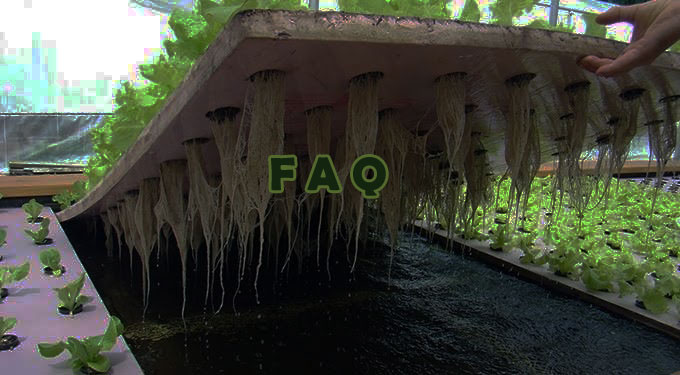 Here are 15 frequently asked questions about setting up aquaponics:Aquaculture is the process of raising fish, which provide the necessary nutrients for plant growth in aquaponics. Fish waste, converted by beneficial bacteria, supplies essential nutrients for plants in this integrated, symbiotic system. How To Set Up Aquaponics Hydroponics involves growing plants in a nutrient solution without soil, while aquaponics combines hydroponics with fish farming, using fish waste as a natural nutrient source for plants. 12 Things To Know Before You Start Raising Aquaponics Common choices include tilapia, trout, catfish, and goldfish, as they are hardy and adaptable. The choice depends on the climate, system size, and whether the fish are for consumption. Leafy greens like lettuce, kale, and herbs, as well as some fruiting plants like tomatoes and peppers, thrive in aquaponics. The specific choice depends on nutrient levels and lighting. Yes, DIY aquaponics systems can be created using basic materials like tanks, tubing, a water pump, and growing media. Many resources and guides are available to help beginners build affordable home systems. In a raft system, plants are placed on floating rafts in the water, allowing roots to dangle and absorb nutrients directly. It’s ideal for leafy greens and is often used in larger commercial systems. A media-based system uses a grow bed filled with inert media, like clay pellets, to support plants and filter fish waste. It’s one of the most popular setups for small, home-based systems. The NFT system involves a thin film of nutrient-rich water flowing over plant roots in shallow channels. This setup is best for lightweight plants like herbs and leafy greens. Yes, if natural light is insufficient, grow lights are essential to ensure plants receive adequate light for photosynthesis. LED grow lights are often recommended for their energy efficiency. Water quality is crucial, as both fish and plants rely on a balanced environment. Regular monitoring of pH, ammonia, nitrites, and nitrates is essential to maintain system health and productivity. Natural pest control methods are preferred in aquaponics to avoid harming fish. This includes introducing beneficial insects, using organic sprays, and employing physical barriers to protect plants. Yes, home aquaponics kits are designed for ease of use and typically include everything needed to start, making them ideal for beginners interested in learning the basics of aquaponics. Yes, a 60-gallon system is compact and suitable for small spaces like balconies or indoor setups, making it an excellent option for urban growers looking to grow food sustainably. Challenges include maintaining balanced water chemistry, managing fish health, and ensuring adequate nutrient levels for plants. It also requires a good understanding of both aquaculture and hydroponics. Regular monitoring and adjustment of pH, ammonia, nitrites, and nitrates are essential. Proper filtration, aeration, and regular maintenance are also important for keeping the system balanced. Fish should be fed 1-2 times a day, depending on the species and their growth stage. Avoid overfeeding, as uneaten food can affect water quality. Tap water can be used, but it may need to be treated to remove chlorine and other chemicals that can harm fish and plants. It’s best to let tap water sit for 24 hours or use a water conditioner. Start small with a simple setup to learn the basics. Choose hardy fish and easy-to-grow plants, and monitor the system closely to understand its needs. Use natural methods such as introducing beneficial insects or using organic treatments. Maintain good hygiene and monitor plants and fish regularly to prevent issues. Growth rates depend on the type of plant and the conditions of the system. Generally, leafy greens can be ready in 4-6 weeks, while fruiting plants may take several months. Yes, aquaponics can be scaled up for commercial production. However, it requires careful planning, a larger investment, and knowledge of both aquaculture and hydroponics on a larger scale. Regulations vary by location and may include rules on fish farming, water use, and food safety. Check local regulations and guidelines before setting up an aquaponics system. "Want To Setup Aquaponics? Get Gerard Dawn's Ebook That Will Guide You On How To Setup Aquaponics, In Your
|

How To Raise frogs Contact Us Terms of Use Privacy Policy About Us FAQ Site Map