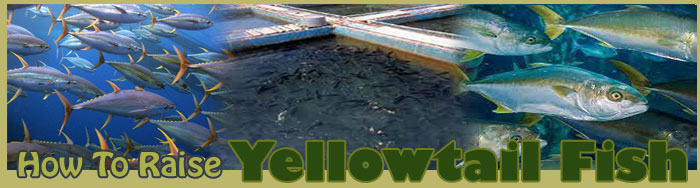
Yellowtail Farming For Self Sufficiency Frequently Asked Questions Here are 15 frequently asked questions on Yellowtail farming for self sufficiency:Yellowtail thrive in saltwater environments, though some acclimation to brackish conditions may work during early growth stages in controlled systems. Under optimal conditions, yellowtail reach a marketable size (around 3–5 kg) in approximately 12 to 18 months, making them efficient for self-use. They require high-protein diets, typically in the form of commercial pellets designed for carnivorous marine fish, though sustainable alternatives are being developed. Yes, each mature yellowtail provides several meals, and maintaining a small, rotating population ensures a continuous supply of fresh fish throughout the year. Initial costs vary, but small-scale setups can begin affordably using DIY cages, used tanks, or community-supported models tailored for self-sufficiency. A boat is helpful for offshore cage management but not required, especially if you're operating nearshore or using land-based systems. With proper setup, daily maintenance can take less than an hour, making it a manageable addition to homesteading or off-grid living routines. Basic gear includes cages or tanks, feeding tools, water quality testing kits, and possibly pumps or aerators depending on your system type. While full off-grid setups are challenging, passive flow systems and solar-powered pumps can support simplified yellowtail habitats with minimal energy input. Common issues include parasites and bacterial infections, which can be minimized through clean water, low stocking density, and regular health monitoring. Use hand nets or seine nets to remove fish humanely, then process immediately or keep on ice for short-term storage and consumption. Yes, yellowtail can be smoked, frozen, or vacuum-sealed to extend shelf life, allowing you to enjoy your harvest well beyond the growing season. Regulations vary by region, but many small-scale operations qualify for exemptions or streamlined permitting when used solely for personal consumption. Yes, especially when done responsibly with eco-friendly feeds, low-density stocking, and waste-minimizing practices that align with self-sufficient values. Many self-sufficient farmers barter or share their surplus within local networks, enhancing community resilience and fostering food-sharing traditions. "Want To Raise Healthy Yellowtail Fish? Get Gerard Dawn's Ebook That Will Guide You On How To Raise Healthy Profitable Yellowtail For Meat, In Your Own Farm
|

How To Raise Salmon Contact Us Terms of Use Privacy Policy About Us FAQ Site Map