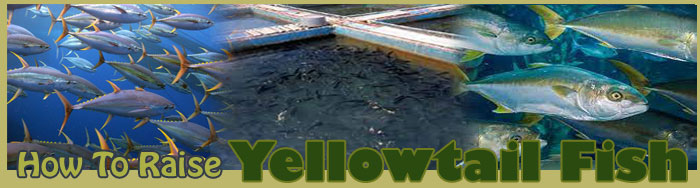
Small Scale Yellowtail Farming Frequently Asked Questions Here are 15 frequently asked questions on small scale Yellowtail farming:Regulations vary by country, but generally include aquaculture licenses, environmental permits, and compliance with local fisheries laws. Yellowtail thrive best in water temperatures between 18°C and 25°C, which supports optimal growth and feeding activity. Under proper care and feeding, yellowtail reach market weight (around 3–5 kg) in approximately 12 to 18 months. They require high-protein pelleted feeds formulated for carnivorous marine fish, often containing fishmeal, oils, and essential nutrients. A boat is helpful for offshore cage management but not always necessary—especially if you're operating nearshore or in land-based systems. Startup costs vary, but many small operations begin with $10,000 to $50,000, depending on location, system type, and scale. Yes, small-scale farmers often sell directly through local markets, restaurants, CSFs (Community-Supported Fisheries), or online seafood platforms. Maintain clean water, avoid overcrowding, quarantine new fish, and conduct regular health checks to reduce disease risk. Yes, sea lions, sharks, and large predatory fish can threaten sea cage farms—use predator nets or deterrent devices to protect your fish. Basic equipment includes cages or tanks, feeding systems, water quality monitoring tools, cleaning gear, and possibly pumps or aerators. When done responsibly, small-scale yellowtail farming has a low environmental impact, especially when sustainable feeds and waste management practices are used. Use seine nets, hand nets, or pump systems to gently remove fish from cages or tanks, ensuring minimal stress and product damage. Yes, many small-scale farmers operate part-time alongside other jobs, especially once systems are established and routines are set. Common challenges include initial permit hurdles, managing water quality, sourcing healthy fingerlings, and maintaining consistent feed supply. With growing demand for premium seafood and proper management, small-scale yellowtail farming can be highly profitable, especially when selling direct-to-consumer at premium prices. "Want To Raise Healthy Yellowtail Fish? Get Gerard Dawn's Ebook That Will Guide You On How To Raise Healthy Profitable Yellowtail For Meat, In Your Own Farm
|

How To Raise Salmon Contact Us Terms of Use Privacy Policy About Us FAQ Site Map