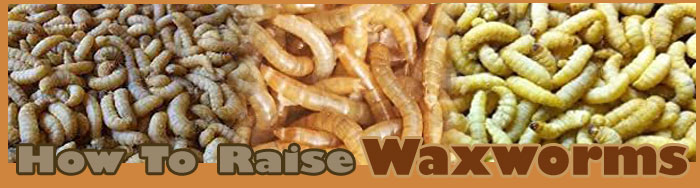
Small Scale Waxworms Farming Frequently Asked Questions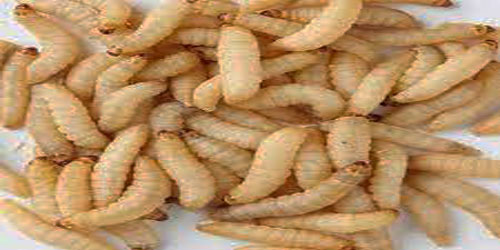 Here are 15 frequently asked questions on small scale Waxworms farming:They thrive on wheat bran, oatmeal, cornmeal, glycerin, honey, or even kitchen scraps and certain organic wastes. Under ideal conditions, the life cycle from egg to adult moth takes about 6–8 weeks, allowing for quick and continuous production. Yes, many small farmers successfully use homemade mixtures of grains and sweeteners instead of commercial diets. Avoid excess moisture, ensure good airflow, and replace soiled substrate regularly to keep mold at bay. Yes, they're popular among reptile owners, bird keepers, and local pet stores, making them a marketable product even on a small scale. In most areas, no permits are required for small-scale waxworm farming unless you plan to sell commercially (check local regulations). Yes, it’s a safe and educational activity that teaches kids about insect life cycles, sustainability, and responsibility. Begin with 50–100 larvae to observe growth patterns before scaling up your operation based on results. A 10–20 liter container is ideal for starting out, offering enough space without being difficult to manage. Adult moths can fly, but ensuring tight-fitting lids and mesh covers will keep your waxworm farm secure. Use tweezers or a spoon to remove mature larvae from the substrate just before use to keep the colony productive. Maintain temperatures between 77°F and 86°F (25°C–30°C) for optimal growth and development. Yes, waxworms can consume fruit peels, leftover grains, and even some types of plastics, making them excellent for eco-friendly waste reduction. Keep harvested waxworms in a separate container with minimal food and refrigerate slightly to slow their metabolism and extend shelf life. Yes, it supports circular economy principles by repurposing waste into protein-rich feed while requiring minimal land, water, and energy. "Want To Raise Healthy Waxworms? Get Gerard Dawn's Ebook That Will Guide You On How To Raise Healthy Profitable Waxworms For Food, In Your Own Farm
|

How To Raise Snails Contact Us Terms of Use Privacy Policy About Us FAQ Site Map