
Silkworm Farming For Self Sufficiency Frequently Asked Questions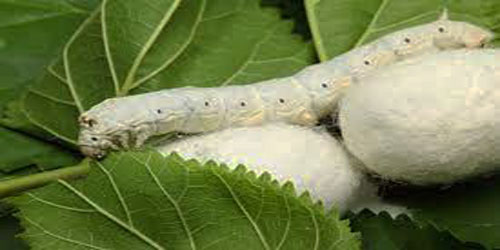 Here are 15 frequently asked questions on silkworm farming for self sufficiency:Not at all—silkworm farming is simple and rewarding, especially with a step-by-step guide tailored for self-sufficiency. Yes, harvested cocoons can be unraveled into silk thread and woven into fabric for garments, scarves, and more. Feeding and cleaning take just a few minutes each day, making it ideal for busy homesteaders or part-time farmers. Yes, they’re gentle creatures that can be handled carefully with clean hands, especially during transfers or habitat maintenance. You can purchase live silkworm eggs or larvae online from agricultural suppliers or through sericulture hobbyist groups. Basic supplies like a container, paper bedding, fresh mulberry leaves, and a warm environment are all you need to begin. In warmer climates, yes—but in colder areas, you may need to grow mulberry indoors or use artificial food sources. Keep them in a sealed plastic bag in the refrigerator to maintain freshness and bring them to room temperature before feeding. Maintain a steady temperature between 75°F and 80°F (24°C–27°C) for optimal growth and development. Practice good hygiene by keeping the habitat clean, avoiding wet leaves, and ensuring proper ventilation. Absolutely—many people sell handmade silk products locally or online, turning their silkworm farming into a small income source. Yes, it supports organic practices, reduces textile waste, and promotes sustainable fiber production without synthetic chemicals. Definitely—it’s an educational and engaging activity that teaches responsibility, life cycles, and nature appreciation. After about 10–14 days, adult moths will emerge, but if harvesting silk, cocoons are typically steamed or boiled before this stage. It provides natural fiber, integrates with garden systems, and offers a renewable resource for clothing and crafts, aligning perfectly with off-grid goals. "Want To Raise Healthy Silkworms? Get Gerard Dawn's Ebook That Will Guide You On How To Raise Healthy Profitable Silkworms For Silk, In Your Own Farm
|

How To Raise edible insects Contact Us Terms of Use Privacy Policy About Us FAQ Site Map