
Raising Silkworm Frequently Asked Questions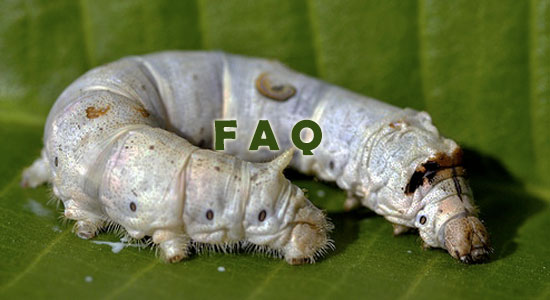 Here are 15 frequently asked questions about raising silkworm:Silkworm farming, or sericulture, involves the cultivation of silkworms to produce silk. The main purposes are to harvest silk fiber for textiles and other products, as well as to utilize silkworms for their by-products, such as sericin, which has various applications in cosmetics and medicine. How To Raise Silkworms Successful silkworm raising requires a controlled environment with specific temperature and humidity levels, a consistent supply of fresh mulberry leaves (the primary food source), and appropriate space for growth and cocooning. 12 Things To Know Before You Start Raising Silkworms Sericulture is the practice of raising silkworms for silk production. It contributes to the economy by creating jobs in rural areas, promoting agricultural diversification, and generating income through the sale of silk and its by-products. Bombyx mori is the most commonly raised silkworm species because it produces high-quality silk, has a well-understood life cycle, and thrives in controlled farming conditions, making it ideal for commercial silk production. Silkworms typically live for about 6 to 8 weeks. Their main life stages include egg, larva (caterpillar), pupa (cocoon), and adult moth, with the larval stage being the most critical for silk production. Silk fiber produced by silkworms is known for its softness, luster, and strength. It is also lightweight and has excellent insulating properties, making it a highly desirable material for textiles. The steps involved in processing silk after harvesting cocoons include boiling or steaming the cocoons to kill the pupae, unraveling the silk threads, and then dyeing, spinning, and weaving the threads into fabric. The life cycle of silkworms consists of four stages: egg, larva, pupa, and adult. The entire life cycle takes about 6 to 8 weeks, depending on environmental conditions and the specific variety of silkworm. Proper handling procedures for silkworms include maintaining cleanliness in their environment, avoiding excessive handling to reduce stress, ensuring they have access to fresh mulberry leaves, and monitoring for signs of disease or distress. Silkworms undergo five growth stages called instars during their larval phase. Each instar is identified by size and appearance, with the silkworm growing significantly larger after each molt until it is ready to spin its cocoon. The best diet for silkworms consists mainly of fresh mulberry leaves. They should be fed multiple times a day, with regular cleaning of their habitat to prevent mold and disease, and appropriate temperature and humidity levels should be maintained. Silkworms spin cocoons by secreting a protein solution from their salivary glands, which hardens into silk threads as they move in a figure-eight pattern. Factors influencing this process include the temperature, humidity, and overall health of the silkworms. Techniques used in silk processing include boiling or steaming cocoons to kill the pupae, unwinding the silk threads carefully, and then cleaning, dyeing, and weaving the silk into fabrics or other products. Common issues include bacterial infections, fungal diseases, and pests like mites or ants. Proper hygiene and environmental control can help prevent these problems. Harvest silk by collecting the cocoons once they are fully spun. Boil the cocoons in water to soften the sericin (a protein), then unravel the silk threads to collect them. Store silkworm eggs in a cool, dry place until ready to hatch. Ensure they are kept in a clean, pest-free environment to maintain their viability. The lifespan of a silkworm from egg to adult moth is approximately 6-8 weeks. This includes about 4-6 weeks in the larval stage, 2-3 days as a pupa, and a few days as an adult moth. Ensure the rearing environment is clean, well-ventilated, and free from contaminants. Provide appropriate housing with adequate space for the silkworms to grow and spin their cocoons. Key factors include maintaining optimal temperature and humidity, providing a consistent supply of fresh mulberry leaves, and managing the health of the silkworms carefully. Prevent diseases by maintaining a clean rearing environment, avoiding overcrowding, and regularly inspecting silkworms for signs of illness. Use proper hygiene practices and consult a specialist if needed. Challenges include managing diseases and pests, maintaining optimal environmental conditions, and ensuring a continuous supply of mulberry leaves. Proper planning and management can help address these challenges. Regulations may vary by location and can include guidelines for animal welfare, pest control, and environmental impact. Check local regulations to ensure compliance with legal requirements for silkworm farming. "Want To Raise Healthy Silkworms? Get Gerard Dawn's Ebook That Will Guide You On How To Raise Healthy Profitable Silkworms For Silk, In Your Own Farm
|

How To Raise edible insects Contact Us Terms of Use Privacy Policy About Us FAQ Site Map