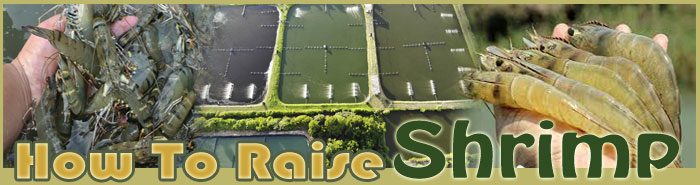
Shrimp Farming For Self Sufficiency Frequently Asked Questions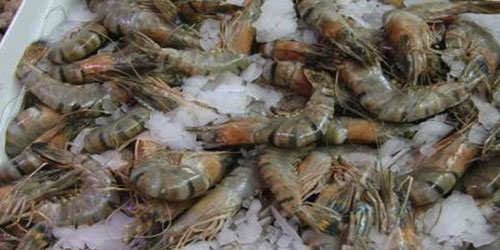 Here are 15 frequently asked questions on shrimp farming for self sufficiency:Under optimal conditions, shrimp reach harvest size in about 90–150 days, depending on species, temperature, and feeding practices. Maintain pH between 7.5–8.5, dissolved oxygen above 4 ppm, and control ammonia and nitrite levels to ensure healthy shrimp growth. Yes, shrimp waste can be used as nutrient-rich water for hydroponic or aquaponic vegetable systems, creating a sustainable closed loop setup. Use high-protein commercial shrimp feeds or supplement with natural food sources like algae, worms, and biofilm for cost-effective feeding. Test water parameters at least 2–3 times per week to catch imbalances early and maintain a stable, healthy environment for your shrimp. Initial costs vary, but you can start for under $500 with a lined pond, basic filtration, and affordable equipment for a backyard-scale operation. Purchase certified disease-free post-larvae from local hatcheries or online suppliers specializing in shrimp farming supplies and genetics. Practice good biosecurity by quarantining new stock, disinfecting tools, avoiding overcrowding, and maintaining clean water conditions. Yes, indoor shrimp farming with climate control and recirculating systems allows year-round production regardless of outdoor weather conditions. Gradually drain the pond or use nets to collect shrimp, or install a harvesting sump in recirculating systems for easier, selective harvesting. A soft clay or sand bottom supports natural behavior and helps maintain water quality by trapping organic matter without compacting. Absolutely—homegrown shrimp are fresh, chemical-free, and often tastier than store-bought options, making them a rewarding part of your diet. Expect to spend 2–5 hours per week on feeding, monitoring water quality, and maintenance—making it ideal for busy homesteaders. Yes, especially when managed organically and integrated with other food production systems like aquaponics or composting. Books, online courses, YouTube tutorials, and aquaculture forums provide valuable information and community support for beginner shrimp farmers. "Want To Raise Healthy Shrimp? Get Gerard Dawn's Ebook That Will Guide You On How To Raise Healthy Profitable Shrimp For Meat, In Your Own Farm Yard Even If You're Just Starting Out In Shrimp Farming..."
|

How To Raise shrimp Contact Us Terms of Use Privacy Policy About Us FAQ Site Map