Small Scale Sea Urchin Farming Frequently Asked Questions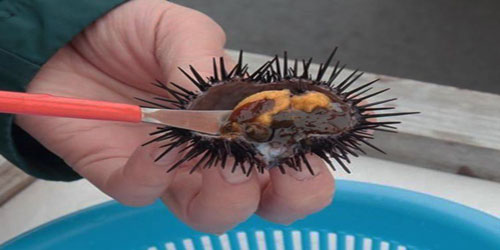 Here are 15 frequently asked questions on small scale sea urchin farming:A tank or enclosure as small as 1–2 square meters is sufficient for a beginner, especially if you're raising urchins for personal consumption or local sharing. Sea urchins thrive in structured environments with rocky surfaces or mesh baskets, stable salinity (28–35 ppt), moderate temperatures (8–20°C), and access to kelp or algae. Juvenile sea urchins can be sourced from marine hatcheries, aquaculture centers, regional fisheries programs, or online suppliers specializing in marine livestock. Depending on species and conditions, it typically takes 12–24 months for sea urchins to reach a marketable size or maturity suitable for roe harvesting. No, they naturally graze on algae and kelp, though supplementing with cultivated seaweed can enhance roe flavor, color, and yield in small-scale farming. Use mechanical and biological filtration, monitor pH, temperature, and oxygen levels regularly, and ensure gentle water flow to support healthy growth. Yes, they work well in IMTA (Integrated Multi-Trophic Aquaculture) setups, where they help recycle nutrients from fish or shellfish farms, improving system sustainability. No, they’re relatively easy to raise as they require minimal daily care once the habitat is properly established and food sources are available. Healthy individuals will have intact spines, active movement, and firm bodies—avoid those showing signs of shell erosion, discoloration, or lethargy. Yes, by relocating overpopulated wild urchins into managed habitats, you can help rehabilitate kelp forests destroyed by "urchin barrens." Harvesting involves gently collecting mature individuals by hand or net, ideally during cooler months when roe quality is highest. Extreme temperatures or storms can impact water conditions, so using sheltered tanks or protected enclosures helps maintain stability. Yes, home-harvested uni is edible and highly nutritious, often described as sweet, creamy, and rich in flavor when harvested at peak maturity. Initial costs are low—main expenses include tanks, filtration, substrate, and juvenile stock, making it accessible for budget-conscious self-sufficiency projects. It’s a quiet, rewarding way to grow your own gourmet seafood, support marine health, and diversify your homestead—all while working with nature, not against it. "Want To Raise Healthy Sea Urchins? Get Gerard Dawn's Ebook That Will Guide You On How To Raise Healthy Profitable Sea Urchin For Meat, In Your Own Farm
|

How To Raise Sea Urchin Contact Us Terms of Use Privacy Policy About Us FAQ Site Map