Finally, A Complete Guide That Shows You... "How To Make A Scallop Habitat 'The Healthy Profitable Way' For Meat In Your Own Pond Even If You're Just Starting
|
 Scallop farming provides a renewable source of seafood that helps reduce pressure on wild scallop populations, which are often vulnerable to overfishing.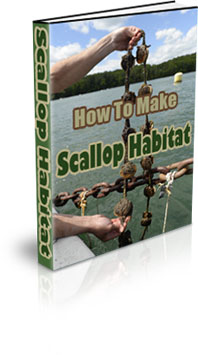

|
"A Beginner’s Lifesaver" Before discovering *How to Make a Scallop Habitat*, I was completely lost about starting my own aquaculture project. With no prior experience, I thought farming scallops was something only experts could do. But this ebook changed everything. It breaks down each step in such a clear and friendly way that even someone like me—a complete beginner—was able to set up a thriving habitat in just a few weeks. The diagrams are incredibly helpful, and the language is simple yet thorough. Thanks to this guide, I now have a small but growing scallop farm that brings both joy and extra income. If you're new to scallop farming, this is the perfect place to start. Thank you again! Michael Haywood. |
|
"Practical, Step-by-Step Guidance" Gerard, I’ve read several guides on aquaculture, but none were as practical and easy to follow as *How to Make a Scallop Habitat*. What sets it apart is its focus on real-world application. It doesn’t just tell you what to do—it shows you how, with actionable steps and smart advice for beginners and hobbyists alike. Whether it's choosing the right location or maintaining water quality, every detail is covered without overwhelming you. I used the book to create a personal scallop garden for home harvesting, and it worked beautifully. This isn't just a manual—it's a mentor in print form. Thank you again! Steve Chapell. |
|
"Turn Your Passion into Profit" Hi Gerard, As someone who loves the ocean and sustainable food production, I wanted to find a way to contribute while also making a little money. *How to Make a Scallop Habitat* gave me the tools and confidence to turn my idea into reality. From selecting equipment to understanding market size scallops, the ebook walks you through everything you need to know to get started—even if you don’t live near the coast! I followed the guide, invested in a small-scale setup, and now I’m selling fresh scallops at local markets. This book helped me turn passion into purpose—and profit. Thank you! Larry Hackett. |
|
"Perfect for Coastal Communities" Living in a coastal town, I’ve always been surrounded by marine life but never knew how to take advantage of it. That changed when I got my hands on *How to Make a Scallop Habitat*. This ebook is especially valuable for people in areas where wild scallop populations are declining. It teaches sustainable farming methods that not only protect the environment but also provide economic opportunities. I shared the guide with a few friends, and together we started a small co-op. Now, we’re producing scallops for both local sale and personal use. It’s empowering, profitable, and planet-friendly. Thank you! Xiomara McGee. |
Many People Don't Know Where To Start!
Don't be one of those people who spend a fortune in getting guidance. This ebook will not only save you time on doing the research needed, but also in your pocketbook.
This guide won't leave you hanging not knowing what to do next. Its a step by step scallop farming plan that spells out your next step in plain English, you won't need to look for other information or join any other expensive scallop farming training course once you have this guide in your disposal.
But once you decide to get your copy today you will also receive these following detailed guides...
Detailed Guide #1
|
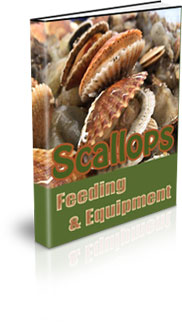
Scallops usually need nutritious food regularly to be healthy, happy and contended. A diet that is high in energy, low in fiber and supplemented with ample of protein is considered ideal and wholesome to ensure the upward and steady growth of scallops. Scallops can not be called a scallop unless it loves its food. Its feeding habits are characterized with rooting and pleading for more food and eating food with a great gusto and relish. There is a specific and regulated pattern of feeding and eating habits for your scallop and before you give your scallops that extra morsel of food, ponder again! With this ebook you will discover:
This is a must have guide for every farmer who wants to proper feed their scallops, its a complete ebook to healthy scallop farming that will ensure that you feed your scallops the right nutrients from a young age. |
+
Detailed Guide #2
|
When just beginning in raising scallops the first thing you have to prepare is pond or shellfish tank. Raising scallops requires you to build a proper pond for them. The pond provides the scallops with water where they can swim and keeps them warm in the winter. Scallop pond can be designed using light and hard material you may already have in your farm. The shellfish pond that you will farm your shellfish has to be in a protected area so make sure predators would not consume your shellfish. With this ebook you will discover:
With "Scallop Pond Design And Management" you’ll be amazed at how simple and easy it is to proper build a pond for your scallops. You will get all the different options to pond designs and the required equipment for scallop farming. |
How Much Is That Worth To You?
"How To Make A Scallop Habitat" retails for $167. But today we have reduced our price to get you started and are offering it to you for only $47. All of the information on raising healthy scallops is simple to understand with images to guide you. You'll never find a guide that guides to on raising scallops in one ebook.
This guide eliminates the time you will spend searching for incomplete information about raising scallops. You don't have to purchase a guide on feeding Scallops alone, then buy yet another guide on raising young scallops and keeping your scallops healthy separately, that will cost you over $100. Just by making a one time investment of $47 you will get all you need to know on raising scallops at a cost of the price.
You've never seen such a good offer, right? But to make you even more comfortable about your investment, I'll offer you my...
|
My 3 Month Money Back Guarantee! EFFORTLESSLY START YOUR OWN SCALLOP FARM 100% AT MY RISK WITH A FULL 90 DAY MONEY BACK GUARANTEE |


If You Serious About Starting A Scallop Farm
Then This Is Your Guide
When getting into scallop farming you should get your production goals set before you buy your scallops. Will you be raising your scallops in a pond? How are you going to manage your scallops in the winter seasons? You should also consider your costs for each traits.
You should also consider the type of climate you want to raise your scallops and the ranch in which you are going to raise your scallops. What are the advantages and disadvantages? Knowing this will help you in planning ahead and reducing the chances of getting unexpected expenses.
So if you are serious about becoming a successful scallop farmer, your first step is getting a copy of this guide. Once you get used to how scallops are managed you can be sure that you will produce high quality meat and make a fortune from the scallop farming industry.
|
"Great for Hobbyists and Small-Scale Farmers" I bought *How to Make a Scallop Habitat* out of curiosity more than anything else. I wasn’t planning to start a business—I just wanted to grow some scallops for fun and personal consumption. To my surprise, the guide made it so easy and rewarding. I learned how to build a mini-habitat using affordable materials, and within months I was harvesting my very own scallops. The ebook explains everything from species selection to predator protection, giving you all the knowledge you need to succeed. Whether you're doing it for meat or pleasure, this guide makes scallop farming accessible and enjoyable. Did I Say Thank You! Kevin Clark. |
|
"Comprehensive Yet Easy to Understand" Even though I had some background in aquaculture, *How to Make a Scallop Habitat* offered insights and techniques I hadn’t encountered before. It’s comprehensive without being overwhelming, and it respects your time by focusing on what really matters. The section on water quality alone saved me from potential losses early on. Whether you're farming for profit or simply exploring a new hobby, this ebook gives you a solid foundation. It’s well-organized, packed with tips, and written in a tone that feels like a friend guiding you through the process. Definitely worth every penny. Thank you! David McDonald. |
Nothing, Absolutely Nothing, Is Left Out!
For successful scallop farming, it is very important that you know what you are doing so to avoid failures. You have to know how to feed and give proper water for your scallops. You will have to know how to early notice and treat different types of health matters and diseases that will be of harm to your livestock .
And when it come to scallop farming this is the only guide that covers every aspect of raising healthy scallops. It's a complete guide to being a productive scallop farmer. So if you want to raise healthy scallops, make sure you have this ebook for guidance and reference!
 |
 | |
|
(Instant Download)
|
||
 |
 |

Best Regards,

P.S. Imagine turning your passion for the ocean into a thriving aquaculture business—by simply creating the right habitat, you can start farming scallops like a pro and enjoy steady profits from a sustainable seafood market that's growing every day.
P.P.S. Don’t let uncertainty hold you back—this guide gives you step-by-step clarity on building a scallop habitat that works, whether you're starting small or aiming big. The tools and techniques inside have been proven by successful scallop farmers worldwide.
"The Next Step Is Yours". Grab this one of its kind scallop farming ebook that will guide you on how to be a successful farmer today, don't waste anymore of your time trying to find incomplete information on raising scallops, get your guide to scallop farming just by investing in this guide.....
|
| |
|
Yes, Gerard I Too Want To Raise Healthy Scallops! Yes, I Want Instant Download To This Ebook! Yes, I Want It Now While It's Only $47.00!
And I understand that by making a one time investment I will receive the following scallop farming ebooks:
Get the one and only guide to successful scallop You will then be redirected to the secure members area where you will get immediate access to download your "How To Make A Scallop Habitat" ebook plus the two detailed guides. Another copy will be sent to your e-mail inbox. Take Advantage Of This Discount Price And Secure Your Copy Now! ============================================= [Option 1] - How To Make A Scallop Habitat
============================================= [Option 2] - How To Make A Scallop Habitat
|
||
|
|
 - How To Make A Scallop Habitat
 - Scallop Feeding And Equipment

Scallop Farming Industry Overview!
Learn how to make a scallop habitat with our step-by-step guide on selecting the best location, using effective farming techniques like longline and raft systems, choosing the right scallop species, and maintaining optimal water quality for sustainable aquaculture success.
Frequently Asked Questions...
 What is a scallop habitat?
A scallop habitat refers to the controlled marine environment where scallops are raised, designed to support their growth through proper water flow, cleanliness, and protection from predators.
Why is creating a good scallop habitat important?
A well-designed habitat ensures optimal growth, health, and survival of scallops by providing clean water, sufficient nutrients, and minimal stress factors.
What kind of location is best for a scallop habitat?
Choose coastal waters with moderate currents, stable salinity, and suitable temperatures that match the needs of the scallop species you're farming.
Can I build a scallop habitat in freshwater?
No, scallops are marine animals and require saltwater environments to survive; freshwater habitats are not suitable for long-term scallop farming.
hat equipment do I need to make a scallop habitat?
Essential tools include mesh bags, lantern nets, longlines or rafts, anchors, floats, and monitoring devices for water quality and temperature.
How To Raise Scallops Home Habitat Small Scale Sufficiency Contact Us Terms of Use Cookie Policy Privacy Policy About Us FAQ Site Map