
Raising Scallops Frequently Asked Questions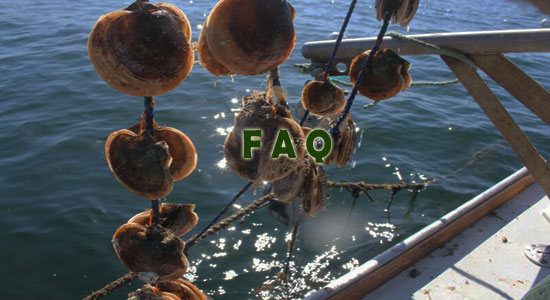 Here are 15 frequently asked questions about raising scallops:Scallop farming provides a sustainable source of seafood that can help meet the growing demand for this delicacy. It can also contribute to local economies by creating jobs and reducing pressure on wild scallop populations, allowing them to recover and maintain healthy ecosystems. How To Raise Scallops Aquaculture allows for controlled breeding, growth, and harvesting of scallops in a sustainable manner. This method can enhance production efficiency, reduce the impact on wild stocks, and provide a reliable supply of scallops year-round. 12 Things To Know Before You Start Raising Scallops Wild scallops are harvested from their natural habitats, while farmed scallops are cultivated in controlled environments. Wild scallops may have varied flavors depending on their diet and habitat, whereas farmed scallops can have more consistent taste and quality due to controlled feeding. A hatchery is a facility where scallop larvae are produced and nurtured until they reach a suitable size for farming. This process involves controlled breeding and care to ensure healthy spat that can be transferred to growing environments. Bottom culture is a farming technique where scallops are cultivated directly on the ocean floor. This method allows scallops to grow in a natural environment, benefiting from natural food sources and habitat conditions. Hanging culture involves suspending scallops in baskets or nets in the water column, rather than placing them on the ocean floor. This method can reduce predation and provide better water flow, enhancing growth rates and overall health. An environmental management plan outlines strategies to minimize the ecological impact of farming activities. It helps ensure sustainable practices, addresses potential pollution issues, and protects marine ecosystems while maintaining productive scallop farming operations. Successful scallop cultivation depends on water quality, temperature, salinity, and availability of food. Proper site selection, monitoring of environmental conditions, and implementing good farming practices are crucial for healthy scallop growth. Commercial activities in scallop farming include breeding, hatchery management, grow-out operations, harvesting, and marketing. Each stage requires careful planning and execution to ensure profitability and sustainability. Wild juvenile scallops can be collected and used to replenish farms, providing a natural genetic diversity that can improve stock resilience. They may also be nurtured in controlled environments to reach market size. Scallops are commonly found in shallow coastal waters, particularly in sandy or gravelly substrates. They thrive in areas with good water circulation, which provides food and helps prevent sediment buildup. Scallops undergo several life stages: fertilized eggs develop into larvae, which then settle to the ocean floor as spat. They grow into juvenile scallops and eventually mature into adults, capable of reproduction. The primary methods of scallop farming include bottom culture and hanging culture. Each method has unique benefits and challenges, depending on environmental conditions and desired production outcomes. Potential impacts include habitat alteration, nutrient loading from feed and waste, and competition with wild scallops. Implementing sustainable practices can mitigate these effects and promote a healthier marine environment. Pollution management involves monitoring water quality, controlling waste and excess feed, and implementing practices to prevent sedimentation. Regular assessments and adherence to environmental regulations help ensure sustainable farming. Common diseases in scallop farming include bacterial infections and parasitic infestations. Regular monitoring, maintaining water quality, and implementing biosecurity measures can help reduce disease incidence and promote overall health. Spat collection methods include using spat collectors like ropes or mesh bags that attract settling larvae. These collectors can be placed in areas with high larval abundance to maximize the likelihood of successful collection. Scallop farming can enhance environmental sustainability by providing a low-impact seafood source, promoting biodiversity, and improving marine habitats. Proper management practices also help reduce nutrient pollution and support ecosystem health. Scallops are filter feeders that contribute to nutrient cycling and water filtration in marine ecosystems. They also serve as prey for various marine species, playing a vital role in maintaining ecological balance. The market value and pricing of scallops are influenced by factors such as supply and demand, quality, size, and seasonality. Additionally, consumer preferences for wild versus farmed scallops can affect pricing dynamics. Scallops are prized for their sweet, delicate flavor and can be prepared in various ways, including searing, grilling, and baking. They are commonly used in seafood dishes, pasta, and as an elegant entrée in fine dining. Breeding scallops involves collecting larvae from mature scallops, raising them in controlled environments, and then releasing the juvenile scallops into the appropriate habitat. Spawning and larval rearing need careful management. The growth rate of scallops varies depending on species, water temperature, and food availability. Generally, scallops can take 1-2 years to reach harvest size. Handling should be done gently to minimize damage. Scallops are typically harvested by dredging or using specialized equipment to collect them from the seabed. Ensure proper processing and handling to maintain quality. Regularly monitor and manage the farming environment to ensure that waste and detritus do not accumulate. Good water flow and regular cleaning help maintain a healthy environment. In colder climates, ensure that the farming environment is protected from freezing conditions and that scallops are not exposed to temperature extremes. Monitor water temperature and adjust as needed. Benefits include high-quality seafood with strong market demand, the potential for sustainable aquaculture practices, and minimal environmental impact when compared to some other forms of aquaculture. Young scallops need optimal water conditions, adequate food supply, and protection from predators. They require careful monitoring to ensure healthy growth and development. Challenges include managing water quality, preventing disease outbreaks, and ensuring consistent food supply. Scallop farming also requires attention to environmental conditions and habitat management. Regulations may vary by location and can include guidelines for water quality, environmental impact, and harvesting practices. Check local and national regulations to ensure compliance with legal requirements for scallop farming. "Want To Raise Healthy Scallops? Get Gerard Dawn's Ebook That Will Guide You On How To Raise Healthy Profitable Scallops For Meat, In Your Own Farm Yard Even If
|

How To Raise Scallops Contact Us Terms of Use Privacy Policy About Us FAQ Site Map