
Small Scale Salmon Farming Frequently Asked Questions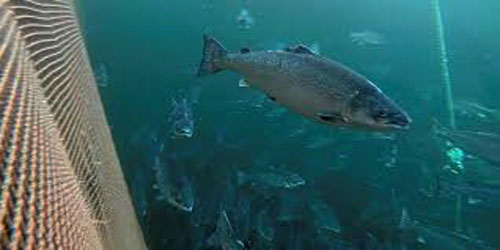 Here are 15 frequently asked questions on small scale salmon farming:Regulations vary by region, so it's important to check with your local fisheries or agriculture department before starting your farm. Daily checks are needed for feeding and water quality, but with proper automation, maintenance becomes manageable even for busy individuals. Options include flow-through systems, recirculating aquaculture systems (RAS), backyard ponds, or floating sea cages depending on location and resources. Use filtration systems, biological cycling, regular testing, and partial water changes to maintain optimal conditions for fish health. Yes, indoor RAS setups allow full control over environmental conditions and enable year-round farming regardless of outdoor weather. Salmon require high-protein pellets formulated for their life stage, though some farmers supplement with live or natural feeds. It typically takes 18–24 months from fry to harvestable size, depending on species, feed, and growing conditions. Yes, when done responsibly with eco-friendly feeds and waste management, it reduces pressure on wild stocks and supports local food systems. In many places, yes—but selling may require permits, food safety compliance, and adherence to local aquaculture regulations. Maintain clean water, avoid overcrowding, quarantine new stock, and follow biosecurity protocols to reduce disease risk. It’s best to raise salmon separately due to their specific needs, especially during early development stages and feeding habits. Key items include tanks or pens, pumps, aerators, filters, thermometers, and reliable feeders tailored to your setup. Absolutely—homegrown salmon are often healthier and safer than store-bought fish since you control their environment and diet. Overstocking, poor water management, inadequate feeding, and skipping research or planning are frequent pitfalls for new farmers. "Want To Raise Healthy Salmon? Get Gerard Dawn's Ebook That Will Guide You On How To Raise Healthy Profitable Salmon For Meat, In Your Own Farm Yard Even If
|

How To Raise Salmon Contact Us Terms of Use Privacy Policy About Us FAQ Site Map