Making A Prawn Farm Habitat Frequently Asked Questions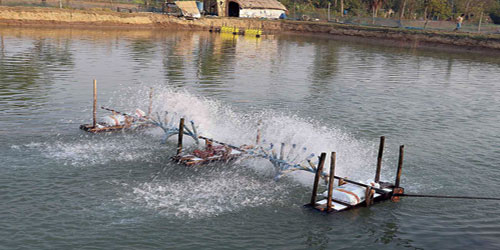 Here are 15 frequently asked questions on how to make a prawn farm habitat:Pond preparation includes drying, liming to adjust pH, removing predators, filling with filtered water, and fertilizing to promote plankton growth for natural feed. Good water quality ensures optimal growth, reduces stress, prevents disease outbreaks, and supports essential biological processes within the habitat. Test daily or at least every other day—monitor temperature, pH, dissolved oxygen, ammonia, and salinity to maintain stable conditions. The ideal pH range is between 7.5 and 8.5, which supports healthy metabolism and minimizes toxicity from harmful compounds like ammonia. Use aerators, paddlewheels, or air stones to increase oxygen levels, especially in intensive systems where high stocking densities demand more oxygen. Provide nutritionally balanced commercial feeds appropriate for each growth stage, supplemented by natural food sources like algae and zooplankton. Stocking density varies: extensive systems may use 10,000–20,000 post-larvae per hectare, while intensive systems can go up to 100,000 or more with proper management. Common diseases include White Spot Syndrome Virus (WSSV), Early Mortality Syndrome (EMS), and bacterial infections, which can be mitigated through biosecurity measures. Implement strict biosecurity protocols, maintain clean water, use certified seedlings, avoid overcrowding, and regularly disinfect equipment and ponds. Yes, integrated multi-trophic aquaculture (IMTA) allows co-farming with species like seaweed, fish, or mollusks to improve water quality and diversify income. Depending on species and system, prawns typically reach harvestable size in 4 to 6 months under good management practices. Probiotics help maintain water quality, enhance digestion, suppress pathogens, and boost immunity, contributing to healthier prawn growth. Harvest using nets, traps, or partial draining of ponds; timing and method depend on the farming system and market requirements. With responsible practices like water recycling, waste management, and organic feed usage, prawn farming can be both productive and eco-friendly. Purchase post-larvae from certified hatcheries to ensure disease-free, genetically strong stock that will perform well in your carefully prepared habitat. "Want To Raise Healthy Prawns? Get Gerard Dawn's Ebook That Will Guide You On How To Raise Healthy Profitable Prawns For Meat, In Your Own Farm Yard Even
|

How To Raise Prawns Contact Us Terms of Use Privacy Policy About Us FAQ Site Map