
Raising Pigeons Frequently Asked Questions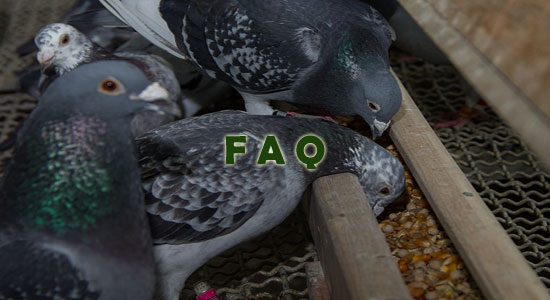 Here are 15 frequently asked questions about raising pigeons:Key considerations for starting a pigeon farm include selecting suitable pigeon breeds, providing adequate housing, ensuring proper nutrition, and implementing biosecurity measures. It's also important to understand the market demand for squabs, exhibition pigeons, or other types based on your farming goals. How To Raise Pigeons Pigeons have been domesticated for thousands of years, serving various roles such as messengers, food sources, and companions. They played crucial roles in communication during wars and have been bred for various purposes, leading to the development of diverse breeds with unique traits. 12 Things To Know Before You Start Raising Pigeons Choosing the right breed depends on your objectives. If you aim for meat production, consider breeds like the King or Carneau. For exhibition, breeds such as the Show Racer or Fantail are ideal. Research each breed's characteristics and care requirements to make an informed decision. Squab refers to young pigeons that are typically harvested for meat when they are around four weeks old. It is valued for its tender meat and is considered a delicacy in many cuisines, making squab production a lucrative aspect of pigeon farming. Exhibition pigeons are specially bred for their appearance and conformation to breed standards. They are often showcased in competitions, where they are judged based on their physical traits and behavior. Breeding and showing these pigeons can be a rewarding hobby or business venture. To raise pigeons for meat production, select fast-growing breeds, provide high-quality feed, and ensure optimal housing conditions. Maintain proper hygiene and health monitoring to reduce disease risks, and consider a breeding program to sustain production levels. Ornamental pigeon breeds are bred for their aesthetic appeal rather than for meat or performance. They often have distinctive colors, feather patterns, and physical features. These pigeons are kept primarily for enjoyment and companionship. Sporting pigeons, such as Racing Homers, are trained for competitive racing and distance flying. Training involves gradually increasing flight distances, developing their homing instincts, and ensuring they are healthy and well-fed to perform optimally in competitions. Suitable pigeon housing should provide adequate space, ventilation, and protection from predators and harsh weather. It should include nesting boxes, perches, and areas for feeding and drinking. Cleanliness and accessibility for maintenance are also crucial. A balanced diet for pigeons typically includes high-quality grains, seeds, legumes, and fresh greens. Additionally, providing minerals, vitamins, and grit is essential for their overall health and to aid digestion. Clean, fresh water should always be available. Key aspects of pigeon care include regular feeding and watering, maintaining a clean and safe environment, monitoring health for signs of illness, and ensuring proper social interactions among birds. Regular veterinary check-ups can also help maintain their health and wellbeing. ' Breeding pigeons involves providing a suitable environment for mating and nesting. Ensure that pairs have access to nesting boxes and that the environment supports their reproductive needs. The lifecycle includes several stages: egg, squab (young pigeon), juvenile, and adult. Pigeons typically lay one or two eggs per clutch, and the squabs are fed by their parents until they fledge. Pigeons are generally friendly and can be handled gently. Regular interaction and training can help them become more accustomed to human contact. Regularly clean their loft or coop to manage waste and prevent buildup. Manure can be composted or used as fertilizer. Proper waste management helps maintain a healthy environment. Provide shelter that protects them from cold and wet conditions. Ensure they have access to dry bedding and monitor their health closely to prevent cold-related issues. Benefits include their use for sport (such as pigeon racing), their role in pest control, and their potential as pets or for meat production. Pigeons can also be a rewarding hobby. Young pigeons need a warm, secure environment with appropriate food and water. They rely on their parents for feeding and care until they are old enough to eat on their own. Challenges include managing their diet and health, providing adequate space and shelter, and preventing predation. Pigeons can also be susceptible to diseases and require regular monitoring. Regulations may vary by location and can include guidelines for animal welfare, housing standards, and noise control. Check local and national regulations to ensure compliance with any legal requirements for raising pigeons. "Want To Raise Healthy Pigeons? Get Gerard Dawn's Ebook That Will Guide You On How To Raise Healthy Profitable Pigeons For Meat Or Eggs, In Your Own Farm Yard Even If You're Just Starting Out In Pigeon Farming..."
|

How To Raise Pigeons Contact Us Terms of Use Privacy Policy About Us FAQ Site Map