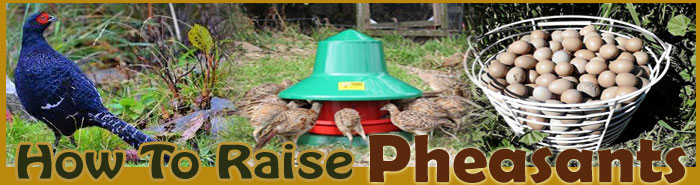
Pheasant Farming For Self Sufficiency Frequently Asked Questions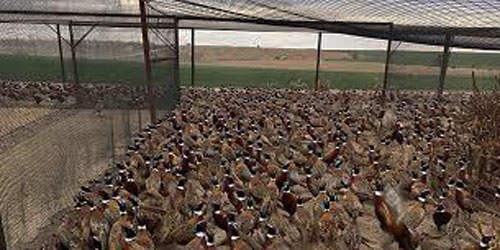 Here are 15 frequently asked questions on pheasant farming for self sufficiency:It’s not recommended due to disease risks and differing behaviors—keep them in separate coops. Yes, it's lean, high in protein, and low in fat, making it a nutritious alternative to traditional poultry. While hens do lay eggs, they aren’t bred for high egg production and are best kept for meat or breeding stock. Yes, many backyard farmers successfully hatch and raise their own chicks using broody hens or incubators. They make soft calls but are generally quieter than chickens, especially if you only keep hens. Common threats include raccoons, foxes, hawks, and stray dogs—secure fencing and covered runs help protect your flock. As little as 10–20 square feet per bird is sufficient in an enclosed run, though more space improves behavior and health. Check local zoning laws and wildlife regulations, as some states require permits for raising or releasing pheasants. You can humanely harvest and pluck or skin them at home—many resources guide beginners through the process safely. Yes, they naturally eat insects, grubs, and larvae, making them useful for organic pest management. Pheasants adapt well to most temperate climates but need protection from extreme heat or cold. Regulations vary by location—some areas allow sales under cottage food laws, while others require USDA-approved processing. Yes, strains like the pen-raised ringneck or Abellio are specifically bred for faster growth and better meat yield. Absolutely—composted pheasant droppings are rich in nutrients and excellent for enriching garden soil. Begin with day-old chicks or young birds from a reputable breeder, set up a safe enclosure, and follow a beginner-friendly guide like *"Pheasant Farming for Self Sufficiency. "Want To Raise Healthy Pheasants? Get Gerard Dawn's Ebook That Will Guide You On How To Raise Healthy Profitable Pheasants For Meat Or Eggs, In Your Own Farm
|

How To Raise Pheasant Contact Us Terms of Use Privacy Policy About Us FAQ Site Map