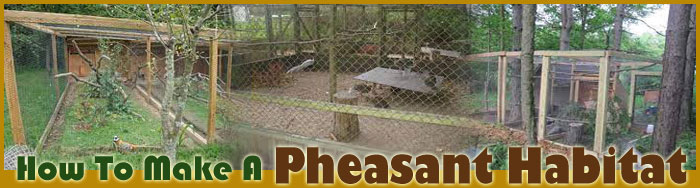
This Complete Guide Shows You.... "How To Make A Pheasant Habitat 'The Healthy Profitable Way' For Meat Or Eggs In Your Own Backyard Even If You're Just Starting Out In Raising
|
 Pheasants require less space and feed compared to traditional livestock, making them an efficient source of lean, high-quality protein for small-scale or sustainable farms.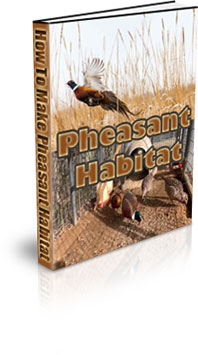
 Pheasant Habitat Requirements
|
"A Lifesaver for a First-Time Pheasant Keeper" I had no idea where to start when I decided to raise pheasants in my backyard. I wanted something unique and rewarding, but the thought of designing their habitat felt overwhelming. That’s when I found "How to Make a Pheasant Habitat." This ebook was exactly what I needed. It walked me through every step with clear instructions and practical advice. From choosing the right location to building shelter and setting up feeding areas, everything was explained in a way that even a complete beginner like me could follow. My birds are thriving now, and I owe it all to this amazing guide. All The Best! Deborah Weaver. |
|
"Transforming My Land into a Pheasant Paradise" As a landowner passionate about conservation and sustainable farming, I wanted to create a space where pheasants could flourish. But I wasn’t sure how to balance wildlife needs with practical land use.
Now, my property supports healthy pheasant populations that contribute to local hunting programs and add beauty to the landscape. This book is a must-read for anyone serious about wildlife-friendly land management. Thank You! Loren Buckley. |
|
"Raising Pheasants Made Simple and Fun" I bought this ebook thinking it would be just another dry manual, but I was pleasantly surprised! Not only is it informative, but it's also engaging and fun to read. As someone raising pheasants for the first time—for both meat and the joy they bring—I found the tips on behavior, enclosure design, and seasonal care incredibly useful. What stood out most was how the author made complex ideas feel simple without dumbing them down. Thanks to this guide, my birds are happy, healthy, and full of character. Thank you! Lisa Wyatt |
|
"Perfect Resource for Small Farm Success" We run a small homestead and wanted to diversify our livestock with something more exotic than chickens. Pheasants fit the bill, but we were unsure how to set up a proper habitat. This ebook changed everything. It offered real-world solutions tailored to small-scale farmers like us. I loved the sections on cost-effective materials and habitat planning on limited acreage. Our pheasants are doing great, and we’re already looking into expanding our flock. If you're a farmer or homesteader curious about raising pheasants, this guide is an invaluable investment. Thank you! Averi Fitzgerald |
Many People Don't Know Where To Start!
Don't be one of those people who spend a fortune in getting guidance. This ebook will not only save you time on doing the research needed, but also in your pocketbook.
This guide won't leave you hanging not knowing what to do next. Its a step by step pheasant owners guide that spells out your next step in plain English, you won't need to look for other information or join any other expensive pheasant training course once you have this guide in your disposal.
But that's not all because when you get your copy of "How To Make A Pheasant Habitat" you will also receive...
Detailed Guide #1
|
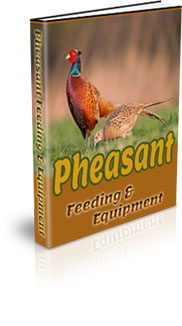
Pheasants usually need nutritious food regularly to be healthy, happy and contended. A diet that is high in energy, low in fiber and supplemented with ample of protein is considered ideal and wholesome to ensure the upward and steady growth of a pheasant. A pheasant can not be called a pheasant unless it loves its food. Its feeding habits are characterized with rooting and pleading for more food and eating food with a great gusto and relish. However, in spite of your pheasants being constantly obsessed with the idea of eating food, it does not mean you submit to its obsession. There is a specific and regulated pattern of feeding and eating habits for your pheasants and before you give your pheasants that extra morsel of food, ponder again! With this ebook you will discover:
This is a must have guide for every farmer who wants to proper feed his pheasants, its a complete ebook to raising a healthy pheasants that will ensure that you feed your pheasants the right nutrients from a young age. |
+
Detailed Guide #2
|
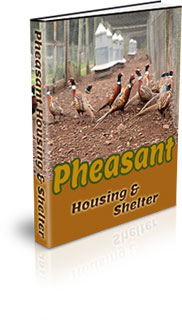
When just beginning in raising a pheasant the first thing you have to prepare is land and housing. Raising pheasants requires you to build a proper house for them. The housing provides the pheasants with shade from the hot sun and keeps them warm in the winter. A pheasant house can be designed using wire, fencing hardware and hay. And house should be well ventilated as well and be kept clean. Believe it or not but pheasants are clean animals and don't like to defecate their own pens but that doesn't mean you can't help them out.
With this ebook will discover:
With "Pheasants Housing And Shelter" you’ll be amazed at how simple and easy it is to proper house your pheasants. You will get all the different options to housing and the required equipment for keeping a pheasant. |
How Much Is That Worth To You?
"How To Make A Pheasant Habitat" retails for $167. But today we have reduced our price to get you started and are offering it to you for only $47. All of the information on raising pheasants is simple to understand with images to guide you. You'll never find a guide that guides to on raising healthy pheasants in one ebook.
This guide eliminates the time you will spend searching for incomplete information about raising pheasants. You don't have to purchase a guide on feeding your pheasants, then buy yet another guide on training and keeping your pheasants healthy separately, that will cost you over $100. Just by making a one time investment of $47 you will get all you need to know on raising pheasants at a cost of the price.
You've never seen such a good offer, right? But to make you even more comfortable about your investment, I'll offer you my...
|
My 3 Month Money Back Guarantee! EFFORTLESSLY RAISE YOUR OWN PHEASANTS 100% AT MY RISK WITH A FULL 90 DAY MONEY-BACK GUARANTEE |


If You Serious About Raising A Healthy Pheasants
Then This Is Your Guide
One of the most attractive things about pheasant farming is that its a self-sustainable business opportunity. It only takes pheasants about six weeks to become adults and once they because adults they can start laying eggs. This means as a farmer you can start seeing quick return on your initial investment.
Another advantage of raising pheasants is that they don't require that much space to move around. So your main concern would be to make sure that your birds are well fed and receive clean water on daily bases. But again pheasant feed is not costly.
So if you are serious about becoming a successful pheasant farmer, your first step is getting a copy of this guide. Once you get used to how pheasants are managed you can be sure that you will produce high quality meat plus eggs and make a fortune from the Pheasants farming industry.
|
"A Game-Changer for Hunting Enthusiasts" If you're into bird hunting and want to manage your own preserve or release site, this book is gold. I used it to develop a controlled habitat for releasing pheasants on my land, and the results have been outstanding. The guidance on creating natural movement corridors, feeding zones, and safe nesting spots made all the difference. My guests love the realistic hunting experience now available year-round. I appreciate how the ebook blends conservation principles with practical steps—this isn't just about raising birds; it's about building a complete ecosystem. Thank You! Kathleen Johnson. |
|
"Beginner-Friendly and Full of Value" I’ve read many farming guides, but few have impressed me as much as "How to Make a Pheasant Habitat." It’s thorough without being complicated, detailed without being overwhelming. Whether you're interested in pheasants for meat, beauty, or sport, this ebook gives you the roadmap to succeed. I especially appreciated the troubleshooting section and tips for common mistakes beginners make. It saved me time, money, and frustration. If you're serious about getting started the right way, don’t miss this guide—it’s worth every penny. Thank you! Peyton McKee |
Nothing, Absolutely Nothing, Is Left Out!
For successful pheasant farming, it is very important that you know what you are doing so to avoid failures. You have to know how to feed and give proper shelter for your pheasants.
You will have to know how to early notice and treat different types of health matters and diseases that will be of harm to your livestock .
And when it come to pheasant farming this is the only guide that covers every aspect of raising healthy pheasants. It's a complete guide to being a productive pheasant farmer. So if you want to raise healthy pheasants, make sure you have this ebook for guidance and reference!
 |
 | |
|
(Instant Download)
|
||
 |
 |

Best Regards,

P.S. Don’t wait for perfect conditions—start small and improve over time. Even a modest setup with basic shelter, food, and water can make a big difference in creating a thriving pheasant habitat.
P.P.S. Healthy habitats mean healthier birds—investing in proper cover and nutrition not only supports pheasant growth but also reduces stress and disease, leading to better survival rates.
"The Next Step Is Yours". Grab this one of its kind pheasants owners ebook that will guide you on how to be a proud pheasant owner today, don't waste anymore of your time trying to find incomplete information on raising and training a pheasant, get your guide to owning a pheasant just by investing in this guide...
|
| |
|
Yes, Gerard I Too Want to Raise Healthy Pheasants! Yes, I Want Instant Download To This Ebook! Yes, I Want It Now While It's Only $47.00!
And I understand that by making a one time investment I will receive the following pheasants owners ebooks:
Get the one and only guide to owning a healthy pheasants by adding this guide to your cart below and make a one-time Investment. You will then be redirected to the secure members area where you will get immediate access to download your "How To Make A Pheasant Habitat" ebook plus the 2 detailed guides. Another copy will be sent to your e-mail inbox. Take Advantage Of This Discount Price And Secure Your Copy Now! ============================================= [Option 1] - How To Make A Pheasant Habitat
============================================= [Option 2] - How To Make A Pheasant Habitat
|
||
|
|
 - How To Make A Pheasant Habitat
 - Pheasant Feeding And Equipment

Pheasant Farming Industry Overview!
Learn how to make a pheasant habitat with expert tips on shelter, food plots, nesting cover, and predator control—essential for game bird farming, wildlife conservation, backyard pheasant keeping, and creating ideal environments for pheasant breeding and release.
Frequently Asked Questions!
 What is the best location for a pheasant habitat?
Choose a quiet, sheltered area with access to food, water, and cover, preferably near natural vegetation or agricultural fields.
How much space do I need for a pheasant habitat?
At minimum, allow 10 square feet per bird in enclosed runs, but larger spaces with varied terrain are better for natural behavior.
What kind of shelter do pheasants need?
Pheasants require dense shrubs, tall grasses, brush piles, or artificial shelters like nesting boxes to hide from predators and weather.
Do pheasants need trees in their habitat?
While not essential, low trees or shrubs offer additional cover and perching areas, especially in semi-wild or free-range setups.
What should I plant for pheasant nesting cover?
Use native grasses like switchgrass or big bluestem, which provide thick ground cover ideal for nesting and protection.
How To Raise A Pheasants Home Habitat Small Scale Sufficiency Contact Us Terms of Use Cookie Policy Privacy Policy FAQ About Us Site Map