
Raising Pheasants Frequently Asked Questions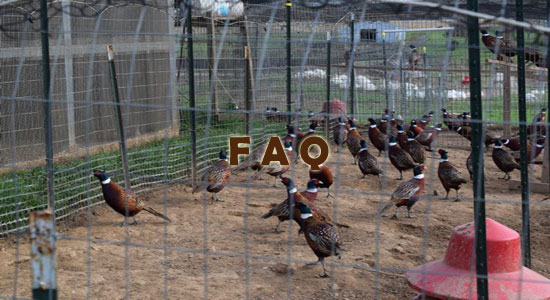 Here are 15 frequently asked questions about raising pheasants:When starting a pheasant farm, it is essential to consider the breed of pheasant, the housing requirements, nutrition, and biosecurity measures. Proper planning for facilities such as brooder barns, flight pens, and feeding systems is crucial for successful farming. How To Raise Pheasants A brooder barn provides a controlled environment for young pheasants, ensuring they receive adequate warmth, shelter, and protection during their early development. It is equipped with heat lamps and chick guards to maintain the necessary temperature and prevent stress among the chicks. 12 Things To Know Before You Start Raising Pheasants Pheasants require a balanced diet that includes high-quality starter feed rich in protein for chicks and grower feed as they mature. A mix of grains, protein supplements, and vitamins is essential for their growth and overall health. Heat lamps provide the necessary warmth for pheasant chicks, especially in the brooder barn. Maintaining a consistent temperature is crucial for their health, as chicks are unable to regulate their body temperature effectively in the early stages of life. Flight pens are outdoor enclosures designed for pheasants to allow them to exercise and develop their flying skills. These pens are spacious and provide a natural environment that encourages healthy behavior and helps prepare birds for release or hunting. Chick guards are barriers placed around heat sources in the brooder barn to prevent young pheasants from coming too close and getting burned. They help maintain a safe environment, allowing chicks to move freely while staying warm. MacFarlane Pheasants is a leading supplier of pheasants, known for their high-quality breeding stock and expertise in pheasant farming. They provide resources and support for both commercial and hobbyist pheasant farmers. A coccidiostat is a medication used to prevent coccidiosis, a common parasitic infection in poultry, including pheasants. It is typically added to the feed to help maintain flock health and reduce the risk of disease outbreaks. Amprolium is an anticoccidial medication that helps control coccidiosis in pheasants. It works by interfering with the life cycle of the parasite, thereby reducing the severity of infections and promoting better growth and health in the flock. Terramycin Soluble Powder is an antibiotic used to treat bacterial infections in pheasants. It is particularly useful in preventing and controlling respiratory diseases, ensuring the health and productivity of the flock. Peepers are small devices fitted to the beaks of pheasants to limit their vision. They are used to reduce aggressive behavior among birds, minimizing fighting and injury in confined spaces, especially during breeding or rearing periods. Lambsquarters and ragweed can be beneficial as forage for pheasants, providing essential nutrients. However, they can also compete with cultivated feed crops if allowed to grow unchecked. Managing these plants is important to ensure optimal feeding conditions for pheasants. Breeding pheasants involves providing suitable conditions for mating and nesting. Ensure that pairs have access to nesting sites and that the environment supports their reproductive needs. The lifecycle includes several stages: egg, chick, juvenile, and adult. Pheasants lay eggs in nests, and the chicks are precocial, meaning they are relatively mature and able to walk shortly after hatching. Pheasants can be shy and may not tolerate frequent handling. Interaction should be minimal and focused on their health and care needs. Approach them calmly and avoid sudden movements. Regularly clean their living area to manage waste and prevent buildup. Manure can be composted or used as fertilizer. Proper waste management helps maintain a healthy environment. Provide shelter that protects them from cold and wet conditions. Ensure they have access to dry bedding, and monitor their health closely to prevent cold-related issues. Benefits include their value as game birds, their role in pest control, and their potential for meat production. Pheasants can also add variety to a poultry farm or garden. Young pheasants need a warm, secure environment with appropriate food and water. They require special care to ensure they grow healthy and strong, including proper heat and protection from drafts. Challenges include managing their diet and health, providing adequate space and shelter, and preventing predation. Pheasants are also sensitive to environmental changes and may require careful monitoring. Regulations may vary by location and can include guidelines for animal welfare, housing standards, and game bird management. Check local and national regulations to ensure compliance with any legal requirements for raising pheasants. "Want To Raise Healthy Pheasants? Get Gerard Dawn's Ebook That Will Guide You On How To Raise Healthy Profitable Pheasants For Meat Or Eggs, In Your Own Farm
|

How To Raise Pheasant Contact Us Terms of Use Privacy Policy About Us FAQ Site Map