Making A Peafowl Habitat Frequently Asked Questions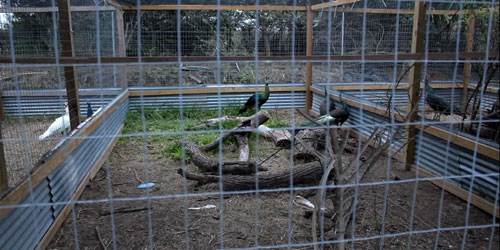 Here are 15 frequently asked questions on how to make a peafowl habitat:A peafowl run should include open space for walking, perches for roosting, dust bathing areas, and protection from predators and harsh weather. Secure the habitat with strong fencing, covered runs, and predator-proof locks on coops to keep out raccoons, snakes, hawks, and stray animals. Use absorbent bedding like straw or wood shavings over dirt or concrete floors to keep the coop dry and comfortable for roosting birds. Most peafowl tolerate cold well if they have a dry, draft-free shelter; however, supplemental heat may be needed in extremely cold climates. Yes, elevated perches help peafowl feel safe and mimic their natural behavior of roosting off the ground at night. Peafowl can coexist with chickens and guinea fowl if introduced early and given enough space, though they often prefer their own territory. Plant shrubs, fruit trees, and native grasses to provide shade, foraging opportunities, and nesting cover while enhancing the visual appeal of the habitat. Yes, providing a sandy or loose soil area allows peafowl to dust bathe, which helps control parasites and maintain healthy feathers. Clean water is essential—provide shallow dishes for drinking and occasional access to a kiddie pool for bathing to support feather health. Use elevated feeders and waterers to keep food and water clean and reduce contamination from droppings and dirt. Regularly replace bedding, clean feeders and waterers, and rotate outdoor spaces to minimize odor, pests, and disease buildup. Yes, if your property is secure and free of hazards, peafowl can free-range during the day but should be locked in a safe enclosure at night. Collect droppings regularly or compost them under supervision—peafowl manure is rich in nutrients and can be used to enrich garden soil. Avoid small enclosures, poor ventilation, exposed perch locations for predators, and toxic plants that could harm the birds. Look for guides, online forums, and expert resources focused on ornamental bird keeping, backyard farming, and sustainable homesteading practices. "Want To Raise Healthy Peafowl? Get Gerard Dawn's Ebook That Will Guide You On How To Raise Healthy Profitable Peafowl For Meat Or Eggs, In Your Own Farm Yard Even
|

How To Raise Peafowl Contact Us Terms of Use Privacy Policy About Us FAQ Site Map