
Making A Partridge Habitat Frequently Asked Questions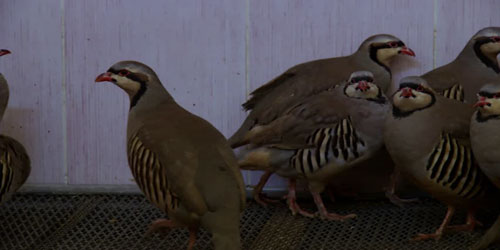 Here are 15 frequently asked questions on how to make a partridge habitat:Ideal nesting conditions include thick ground cover such as native grasses and forbs that protect eggs and chicks from predators and weather extremes. Even small plots can support partridges, but larger areas with varied habitats—like grasslands, hedgerows, and food plots—offer better long-term success for partridge farming or conservation. Supplemental feeding can help during harsh seasons, but it’s best combined with natural food sources to encourage foraging behavior and ensure balanced nutrition. High-quality habitat increases breeding success by offering secure nesting sites, abundant food, and reduced predation risk, which is vital for species like the red-legged partridge. Yes, integrating wildlife strips, cover crops, and buffer zones into farmland can support partridge populations without interfering with agricultural production. Native grasses, legumes, and flowering forbs are ideal, as they provide shelter, attract insects for food, and produce seeds that partridges consume year-round. Provide dense cover for escape routes, avoid placing feeders near perching spots for raptors, and manage domestic animals to minimize disturbance in the habitat area. Not necessarily—many habitat improvements, like planting native vegetation or reducing mowing frequency, are cost-effective and can be integrated into existing land management. Rotate grazing or mowing practices, control invasive species, and monitor bird activity to adjust habitat features and ensure ongoing suitability for chukar or grey partridges. Yes, many governments and conservation programs offer funding or incentives for habitat restoration projects that benefit game birds like the grey partridge. Avoid using heavy pesticides, overgrazing, and placing nest sites too close to roads or human activity, all of which can harm partridge survival and reproduction. A basic habitat can begin supporting partridges within one growing season, but full ecological maturity and stable populations may take two to three years. Yes, hedgerows serve as travel corridors, nesting sites, and windbreaks, making them an essential component of any well-designed partridge habitat. Absolutely—partridge-friendly habitats also benefit pollinators, songbirds, and small mammals, making them a valuable part of broader biodiversity initiatives. You’ll know your habitat is effective if you observe increased sightings, nesting activity, and chick survival rates, especially during spring and summer months. "Want To Raise Healthy Partridges? Get Gerard Dawn's Ebook That Will Guide You On How To Raise Healthy Profitable Partridge For Meat Or Eggs, In Your Own Farm
|

How To Raise Partridges Contact Us Terms of Use Privacy Policy About Us FAQ Site Map