
Oyster Farming For Self Sufficiency Frequently Asked Questions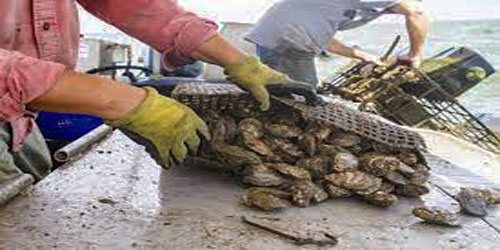 Here are 15 frequently asked questions on oyster farming for self sufficiency:Yes, homegrown oysters are safe to eat if grown in clean, approved waters and harvested properly. Yes, they are rich in protein, omega-3 fatty acids, zinc, iron, and vitamins, making them an excellent addition to a self-sufficient diet. No, oysters are filter feeders that consume naturally occurring plankton in the water, requiring no supplemental feeding. Oysters filter water, removing excess nutrients and improving clarity, which supports healthier marine ecosystems around your farm. In most temperate coastal climates, yes—though extreme weather or seasonal changes may affect growth rates and harvesting times. Laws vary by location; many regions require a permit or lease for shellfish farming to ensure safety and environmental protection. Basic tools include seed oysters (spat), mesh bags, cages or racks, gloves, and access to suitable water space. You can purchase spat or juvenile oysters from certified hatcheries, local aquaculture suppliers, or government-run shellfish programs. Once established, maintenance usually requires just a few hours per week for monitoring, cleaning gear, and checking growth. Yes, having a local source of nutrient-dense food enhances resilience during supply chain disruptions or economic instability. Potential risks include pollution, disease outbreaks, predation, and regulatory issues—but these can be managed with planning and care. Oysters are generally ready when they reach about 3 inches in size and have a thick, sturdy shell, usually after 1–2 years. Depending on local laws, you may be able to sell surplus oysters directly or through farmers’ markets and community-supported fisheries. Farmed oysters are grown in controlled, cleaner conditions and often have a more consistent size, shape, and flavor than wild ones. While not always highly profitable, it significantly reduces food costs and offers high nutritional value, making it a smart investment for self-reliant living. "Want To Raise Healthy Oysters? Get Gerard Dawn's Ebook That Will Guide You On How To Raise Healthy Profitable Oysters For Meat, In Your Own Farm Yard Even
|

How To Raise Oysters Contact Us Terms of Use Privacy Policy About Us FAQ Site Map