
Raising Mussels Frequently Asked Questions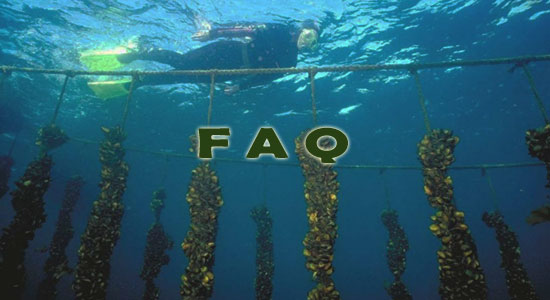 Here are 15 frequently asked questions about raising mussels:Mussels are commonly farmed using suspended culture methods, such as rope, raft, or buoy systems. In these methods, mussels are grown in the water column, which allows for better water flow and nutrient access, promoting healthy growth. How To Raise Mussels Mussel farming is a vital component of aquaculture as it provides a sustainable source of seafood. Mussels are grown in controlled environments, reducing pressure on wild stocks and contributing to food security while promoting responsible farming practices. 12 Things To Know Before You Start Raising Mussels Mussel farming is deemed sustainable because mussels are filter-feeders that improve water quality by removing excess nutrients and particulate matter. They require no feed inputs and have a low environmental impact, making them a sustainable choice for seafood production. Raising shellfish such as mussels provides numerous benefits, including enhancing coastal ecosystems, supporting local economies, and offering a nutritious food source that is low in fat and high in protein. Shellfish farming can also create jobs in fishing and related industries. As filter-feeders, mussels feed by filtering plankton and other small particles from the water. They draw in water through their siphons, trap food particles using mucous-covered gills, and then expel clean water, which helps maintain water quality in their environment. Mussels are classified as bivalves because they have two hinged shells (valves) that protect their soft body. This group includes various marine and freshwater species known for their ecological role in filtering water and contributing to aquatic ecosystems. In mussel farming, equipment like ropes, rafts, and buoys are essential for suspended culture. Ropes are often used to hang mussels in the water, while rafts provide a stable platform for cultivation, and buoys help mark the farming area for safety and management. While mussel farming generally has a low environmental impact, concerns can include changes to local ecosystems, potential competition with wild species, and water quality issues from farm runoff. Responsible farming practices and monitoring can help mitigate these impacts. Sustainability certifications, such as the Aquaculture Stewardship Council (ASC), indicate that mussel farms adhere to strict environmental and social standards. These certifications help consumers identify sustainably farmed seafood, promoting responsible practices and supporting eco-friendly operations. Mussel farms can improve water quality by filtering out pollutants and excess nutrients, promoting clearer waters. However, if not managed properly, they may contribute to local pollution or disrupt biodiversity. Effective management practices are crucial to balancing these effects. Mussels can be prepared in various ways, including steaming, boiling, and baking. Common recipes include mussels in white wine sauce, garlic butter, or in seafood pasta. Proper cooking ensures they open up, indicating they are ready to eat, while closed mussels should be discarded. Mussel farming involves suspending mussels in the water on ropes or in nets, or growing them on the seabed in coastal areas. They are allowed to grow and develop in their natural environment with minimal interference. The lifecycle includes four stages: egg, larval (planktonic stage), juvenile (settled stage), and adult. Mussels spend their early life as free-swimming larvae before settling on a suitable substrate. Harvest mussels by removing them from their cultivation environment, typically using nets or other collection methods. Ensure they are cleaned and sorted before processing or sale. Benefits include their role in improving water quality by filtering plankton, their high nutritional value, and their ability to be farmed sustainably with minimal environmental impact. In a well-managed mussel farm, natural processes help break down organic waste. Regular maintenance of the farming equipment and ensuring good water circulation help manage waste and detritus. Prevent pests by maintaining good water quality and monitoring regularly for signs of infestations. Implementing proper biosecurity measures and using barriers or nets can help control pests. Juvenile mussels need a stable substrate to attach to and access to clean, well-oxygenated water. They are more vulnerable to environmental changes, so maintaining stable conditions is crucial. Challenges include managing water quality, dealing with environmental changes, preventing disease and pests, and ensuring a stable substrate for attachment. Market fluctuations and regulatory compliance can also be challenging. Regulations may vary by location and include guidelines for environmental impact, water quality, and food safety. Check local and national regulations to ensure compliance with legal requirements for mussel farming. "Want To Raise Healthy Mussels? Get Gerard Dawn's Ebook That Will Guide You On How To Raise Healthy Profitable Mussels For Meat, In Your Own Farm Yard Even If
|

How To Raise Mussels Contact Us Terms of Use Privacy Policy About Us FAQ Site Map