
Raising Musk Oxen Frequently Asked Questions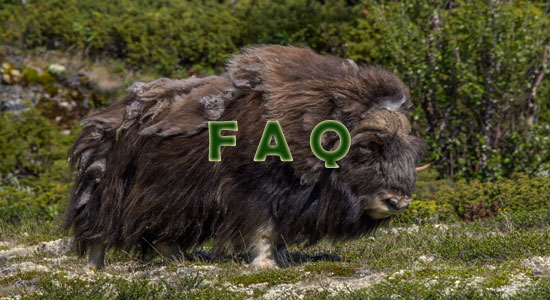 Here are 15 frequently asked questions about raising musk oxen:Muskoxen are farmed primarily for qiviut, their soft and highly valued undercoat wool, which is warmer than sheep’s wool and much finer than cashmere. They can also be raised for meat and to support conservation efforts, especially in regions where their populations are naturally low. How To Raise Musk Oxen Qiviut is prized for its warmth, softness, and durability. Unlike sheep wool, qiviut does not shrink in water and is hypoallergenic, making it ideal for high-quality garments. Due to its limited supply and labor-intensive harvesting process, qiviut is one of the rarest and most expensive fibers in the world. 12 Things To Know Before You Start Raising Musk Oxen Alaska's cold climate and natural habitat closely resemble the muskox’s native environment in the Arctic, making it ideal for farming. Additionally, Alaska has a rich history of muskox conservation and farming, with several facilities dedicated to qiviut production. Muskoxen are not fully domesticated, but they have been selectively bred and adapted for farming purposes. They retain some wild behaviors, so handling requires experience and caution. However, they can be successfully raised on farms with the proper facilities and knowledge of their needs. Muskoxen primarily eat grasses, shrubs, and lichens. On farms, they are usually provided with hay, leafy greens, and occasionally grain supplements to ensure balanced nutrition. During colder months, they may require additional feed to maintain their health and body weight. Muskoxen are generally hardy but can be susceptible to diseases like pneumonia, parasites, and mineral deficiencies. Regular health monitoring, vaccinations, and access to mineral supplements can help maintain their overall health. While it is possible, raising muskoxen alongside reindeer or cattle requires careful management due to their different dietary and space requirements. Muskoxen can be territorial, so separate enclosures or large, divided areas are recommended to prevent aggressive interactions. Muskoxen are social animals that live in herds and exhibit strong defensive behaviors, especially when threatened. They tend to form protective circles around vulnerable herd members. Understanding these behaviors is important for safely managing them on farms. Muskoxen thrive in cold climates with plenty of open space and shelter from harsh weather. Farm setups should include insulated shelters, windbreaks, and spacious, fenced areas that mimic their natural tundra habitat, allowing them room to graze and move freely. Grooming involves regularly checking their fur and hooves. Brushing can help manage their thick fur, particularly during shedding periods, and regular hoof trimming is essential to prevent problems. Musk oxen are generally not trained for specific tasks. They can be accustomed to human presence and handling with patience and positive reinforcement, but they are not typically used for work. Benefits include the production of high-quality qiviut (a soft undercoat) used in textiles, their unique appearance as a novelty animal, and their adaptability to harsh climates. Provide a well-insulated shelter, ensure they have access to plenty of food and water, and monitor their health closely. Their thick fur usually provides good insulation against cold temperatures. Breeding musk oxen requires proper management of both males and females. The breeding season typically occurs in the fall, and pregnant females should be given special care to ensure a healthy pregnancy and delivery. Manage waste by regularly cleaning their living area and disposing of manure properly. Manure can be used for composting or as fertilizer. Calves need a warm, safe environment, access to their mother's milk, and eventually, a diet of solid food. Regular monitoring and care are important for their growth and development. Challenges include managing their large size, dealing with extreme weather conditions, ensuring proper nutrition, and addressing potential health issues. Musk oxen require specialized care and facilities. Regulations may vary by location and can include guidelines for animal welfare, housing standards, and health management. Check local and national regulations to ensure compliance with any legal requirements for raising musk oxen. "Want To Raise Healthy Musk Oxen? Get Gerard Dawn's Ebook That Will Guide You On How To Raise Healthy Profitable Musk Oxen For Meat Or Fur, In Your Own
|

How To Raise Water Buffalo Contact Us Terms of Use Privacy Policy About Us FAQ Site Map