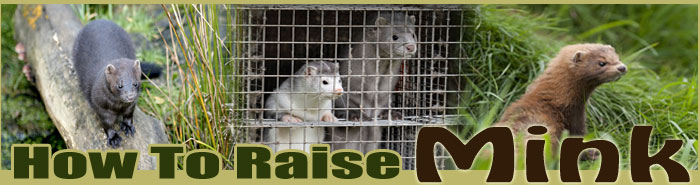
Small Scale Mink Farming Frequently Asked Questions Here are 15 frequently asked questions on small scale mink farming:Mink thrive on raw meat, fish scraps, eggs, and dairy byproducts—many small farmers use food waste from kitchens or fisheries to reduce feed costs. With proper timing and pairing, breeding is manageable—keep one male for every 3–5 females and provide quiet nesting areas for pregnant females. Daily tasks include feeding, water checks, and observation; weekly cleaning and maintenance will also be required to maintain hygiene and health. Yes, selling pelts, fat, and byproducts can generate steady supplemental income, especially when combined with waste reduction and low overhead. Basic supplies include cages, nesting boxes, feeders, water bottles, and tools for cleaning—most can be built or sourced affordably on a budget. Use heavy-duty wire mesh, secure locks, and elevated enclosures to prevent raccoons, foxes, and other common predators from accessing the pens. Yes, many local fur buyers, craft fairs, and online marketplaces accept home-processed pelts, especially if they’re high-quality and ethically raised. Skinning, fleshing, salting, and drying can all be done at home with basic tools and instructions found in traditional fur-handling guides or courses. While some people bond with mink, they are wild animals at heart and best suited for farming rather than companionship due to their active and sometimes aggressive nature. Mink typically live 3–4 years on farms, though some may reach up to 6 years with excellent care—females often retire after one or two breeding seasons. Mink adapt well to most climates but require protection from extreme heat and cold through shade, insulation, and proper ventilation. Yes, many small-scale farmers avoid antibiotics and chemicals by focusing on clean housing, natural diets, and preventive healthcare practices. Yes, when integrated into a homestead system that recycles food waste and uses byproducts, mink farming supports sustainable, circular agriculture. Key challenges include learning proper nutrition, managing breeding cycles, ensuring predator-proof housing, and finding reliable pelt markets. Absolutely—starting small allows you to build knowledge and confidence, making it easier to scale up responsibly as you refine your methods and systems. "Want To Raise Healthy Mink? Get Gerard Dawn's Ebook That Will Guide You On How To Raise Healthy Profitable Mink For Fur Or Meat, In Your Own Farm Yard Even If You're
|

How To Raise Bison Contact Us Terms of Use Privacy Policy About Us FAQ Site Map