
Mink Farming For Self Sufficiency Frequently Asked Questions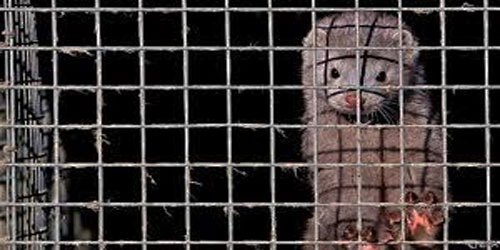 Here are 15 frequently asked questions on Mink farming for self sufficiency:No, mink have low feed costs due to their ability to eat food scraps and offcuts, and their housing can be built affordably using repurposed materials. Yes, selling pelts, fat, and byproducts can generate supplemental income—even a few mink can provide significant returns when managed efficiently. When done humanely and responsibly, mink farming aligns with self-sufficient values by promoting resource use, sustainability, and independence. Mink reach pelt maturity at around 6–8 months, allowing for an efficient annual production cycle that fits well into seasonal farming routines. Mink require secure, weatherproof enclosures with nesting boxes, clean water access, and solid flooring to prevent foot injuries and promote health. Mink need daily feeding, water checks, and weekly cleaning, but they are relatively low-maintenance compared to other livestock once set up properly. Yes, many self-sufficient farmers raise mink without antibiotics or chemicals by focusing on clean habitats, natural diets, and preventive care. A diet of raw meat, fish, eggs, and dairy works well—many homesteaders use fish waste, chicken scraps, and surplus dairy products to keep costs low. While not typically raised for pest control, mink are skilled hunters and may help manage rodent populations if allowed limited outdoor access. Pelts can be skinned, fleshed, salted, and dried at home using simple tools and techniques outlined in many traditional fur-processing guides. Yes, mink fat can be rendered into oil for skin care, soap-making, or as a supplement, making it a valuable byproduct in self-sufficient living. Absolutely—mink breeding is manageable with one male and a few females, and kits can be raised for future pelts or expansion of your operation. Mink are generally quiet animals, though they may chirp or hiss when stressed—this makes them ideal for suburban or neighbor-friendly homesteads. Use sturdy wire mesh enclosures, lock lids securely, and elevate cages off the ground to deter raccoons, foxes, and other common predators. Yes, especially for self-sufficient farmers who integrate mink into a closed-loop system using waste for feed and byproducts for multiple household uses. "Want To Raise Healthy Mink? Get Gerard Dawn's Ebook That Will Guide You On How To Raise Healthy Profitable Mink For Fur Or Meat, In Your Own Farm Yard Even If You're
|

How To Raise Bison Contact Us Terms of Use Privacy Policy About Us FAQ Site Map