
Raising Mink Frequently Asked Questions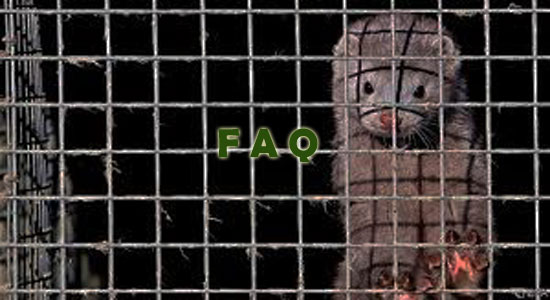 Here are 15 frequently asked questions about raising mink:Mink farming involves raising mink primarily for their fur, where animals are housed in specialized facilities and given care to ensure optimal health and coat quality. Farms are managed under strict guidelines to maintain high standards of animal welfare and product quality. How To Raise Mink A mink pelt is the animal's skin with its fur attached, harvested and processed through tanning. Tanning preserves the fur for use in the fashion and garment industry, where mink is prized for its softness and durability. 12 Things To Know Before You Start Raising Mink Mink farms adhere to animal welfare standards, including proper housing, balanced diets, and health monitoring. Many countries require licensing and inspections to ensure humane conditions and minimize animal stress. Mink fur is highly valued in the fur industry for its warmth, softness, and versatility in fashion. It is commonly used in coats, trims, and accessories and represents a significant portion of the fur market. Farmed mink have been selectively bred over many generations, adapting to a farm environment, which makes them different from their wild counterparts. While they are not fully domesticated, they are raised in conditions optimized for farm life. Mink farming began in the 19th century in North America to meet growing demand for high-quality fur. Over time, farming methods evolved, improving animal care, breeding, and product quality. Daily mink farm operations include feeding, cleaning enclosures, monitoring health, and handling breeding or pelt harvesting tasks. Farms have schedules to ensure minks are well cared for and kept in healthy, stress-free environments. Minks are fed a protein-rich diet, typically including fish, meat, and specialized feed, designed to support their health and enhance fur quality. Some farms also include vitamins and minerals to optimize nutrition. Mink health is managed through regular veterinary care, vaccination, and health checks. Farms implement disease prevention measures to reduce illness and maintain high welfare standards. Mink farming profitability varies based on factors such as pelt quality, market demand, and operational efficiency. Quality pelts can yield significant revenue, but farms must carefully manage expenses like feed and facility maintenance to remain profitable. Animal activists raise concerns about the ethics of raising animals for fur, animal welfare, and confinement conditions. These concerns have led to stricter regulations and a shift in some markets toward alternative materials. Mink farms often recycle waste products as part of sustainable practices, using by-products from other industries in mink diets and repurposing waste. Some farms follow guidelines to reduce their environmental impact, though the industry faces scrutiny on sustainability issues. Mink are generally not social animals and can be aggressive. Handle them with care and use protective gloves if necessary. Socialization is minimal, but they can be trained to some extent for specific tasks. Breeding requires selecting healthy, genetically diverse individuals. Females typically give birth to a litter of kits in a den or nesting box. Proper care during pregnancy and early kitten care is essential. The lifecycle includes the stages of kit (young mink), juvenile, sub-adult, and adult. Mink grow rapidly and reach sexual maturity around 10-12 months of age. Harvesting mink involves careful handling and processing to ensure high-quality fur. Follow industry best practices and regulations for humane harvesting and processing. Benefits include the production of high-quality fur, which is valuable in the fashion industry. Mink farming can also be a profitable business with proper management. Challenges include managing their aggressive behavior, ensuring secure enclosures, maintaining health and hygiene, and meeting market demands for fur. Manage waste by regularly cleaning their enclosures and using manure for composting or as fertilizer. Proper waste management helps maintain a clean and healthy environment. Provide enrichment by including objects for them to explore, such as logs, tunnels, and water features. Enrichment helps reduce stress and encourages natural behaviors. Regulations vary by location and may include guidelines for animal welfare, housing standards, and fur harvesting practices. Check local and national regulations to ensure compliance with legal requirements for mink farming. "Want To Raise Healthy Mink? Get Gerard Dawn's Ebook That Will Guide You On How To Raise Healthy Profitable Mink For Fur Or Meat, In Your Own Farm Yard Even If You're
|

How To Raise Bison Contact Us Terms of Use Privacy Policy About Us FAQ Site Map