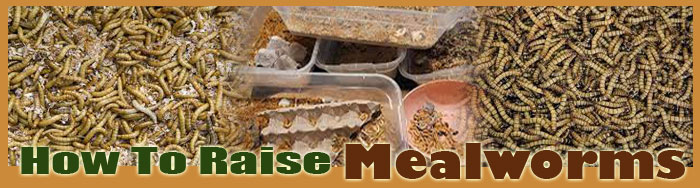
Small Scale Mealworm Farming Frequently Asked Questions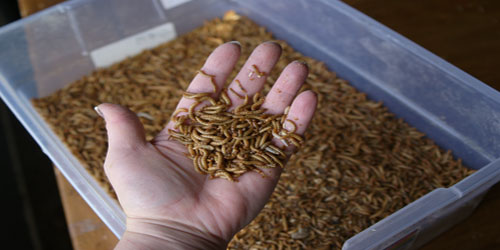 Here are 15 frequently asked questions on small scale Mealworm farming:The full lifecycle from egg to adult beetle takes about 3–4 months, depending on environmental conditions. Yes, they’re an excellent source of protein and help improve egg quality, feather condition, and overall poultry health. Yes, many people sell live or dried mealworms to pet stores, reptile owners, or local homesteaders as a side income. Simply sift through the substrate or manually collect larger worms when they reach the desired size for feeding or processing. Not if properly maintained—regular cleaning and fresh bedding prevent odor issues and keep your habitat hygienic. Yes, they readily consume vegetable peels, fruit scraps, and stale grains, helping reduce household waste. Live worms can be refrigerated temporarily; dried ones can be stored in sealed containers for months without spoilage. Yes, adult beetles lay hundreds of eggs, allowing for continuous production when managed correctly. Absolutely—it’s a great educational project that teaches responsibility, biology, and sustainability in a hands-on way. Yes, they can be roasted, dried, or ground into flour for use in high-protein snacks and survival food bars. Plastic storage bins with air holes work best, ensuring proper airflow while keeping worms contained. Avoid over-moistening the substrate, replace old bedding regularly, and remove uneaten vegetable scraps promptly. They grow best at 75–85°F (24–29°C), though they can survive cooler temperatures with slower development. Yes, once you master the basics, you can expand by adding more containers or automating parts of the process. It’s a low-cost, space-saving, and sustainable way to produce protein for pets, livestock, or emergency food storage—perfect for self-reliant living. "Want To Raise Healthy Mealworms? Get Gerard Dawn's Ebook That Will Guide You On How To Raise Healthy Profitable Mealworms For Food, In Your Own Farm
|

How To Raise Snails Contact Us Terms of Use Privacy Policy About Us FAQ Site Map