
Raising Llamas Frequently Asked Questions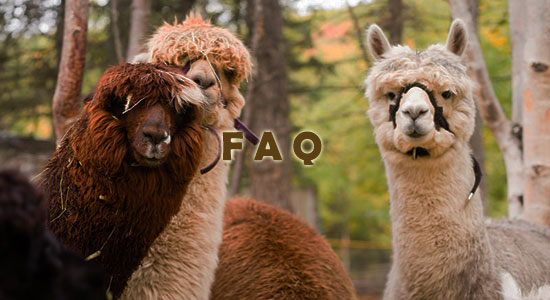 Here are 15 frequently asked questions about raising llamas:Starting a llama farm involves understanding their basic needs, including shelter, food, and healthcare. Llamas require ample space, good fencing, and social interaction as they are herd animals. Learning about their fiber care, feeding habits, and potential health issues is essential. How To Raise Llamas Yes, llamas are generally low-maintenance animals, making them relatively easy to own. However, they need regular feeding, shelter, socialization, and occasional health checks. Proper fencing and understanding their gentle, social nature are also important. 12 Things To Know Before You Start Raising Llamas Llama care includes providing high-quality hay or grass, fresh water, shelter, and regular health check-ups. Their fiber also requires routine shearing once a year, and they need regular grooming and foot trimming. Llamas need shelter, adequate space to roam, nutritious food, socialization with other llamas, and regular healthcare. They also require suitable fencing and regular interaction with handlers to stay healthy and comfortable. Llama fiber is soft, warm, and hypoallergenic, making it ideal for textiles. To maintain fiber quality, llamas are typically sheared once a year in the spring. Routine grooming and keeping llamas clean also help improve fiber quality. Yes, llamas make excellent companion animals due to their gentle and curious nature. They bond well with both humans and other animals, especially within a herd. They also have a calming presence, making them ideal for companionship. Llamas need a simple, dry shelter that protects them from wind, rain, and extreme temperatures. A three-sided shelter is often sufficient, but it should be well-ventilated and spacious enough to accommodate the herd. Llamas can overheat easily, so providing shade, fresh water, and adequate ventilation is important in summer. Regular shearing and allowing access to cooler areas help prevent heat stress. Llamas primarily eat high-quality hay or grass and have access to mineral supplements. Grain can be given in small amounts if extra energy is needed, but their diet should mainly consist of fiber-rich forage to support their digestion. Llamas need regular vaccinations, deworming, and health checks for issues such as parasites and dental problems. Veterinary care may include annual exams and monitoring for any signs of illness, such as changes in appetite or behavior. Sturdy fencing at least 5 feet high is recommended to contain llamas safely. Woven wire or other secure fencing materials work well, as llamas are usually not aggressive jumpers but need protection from potential predators. Yes, llamas are herd animals and thrive when living with other llamas or similar animals. Isolation can lead to stress and behavioral issues, so having at least one other llama companion is highly recommended. Deworming is typically done every 3-4 months, but the frequency may vary based on the local parasite risk and veterinarian recommendations. Regular health monitoring includes checking for changes in eating, weight, and behavior, and routine physical exams help keep llamas in good health. Grooming involves brushing their coat to remove dirt and debris, checking for injuries or parasites, and trimming their toenails. Regular grooming helps maintain their health and appearance. Benefits include their use as pack animals, their wool (which is soft and hypoallergenic), and their ability to provide companionship and help with farm work. Llamas are also relatively low-maintenance compared to other livestock. Handle llamas gently and consistently. Training should involve positive reinforcement techniques, patience, and regular practice. Llamas can be trained for various tasks, including leading, packing, and showing. Prepare llamas for winter by ensuring they have access to shelter, adequate feed, and fresh water. Their thick wool provides insulation, but they still need protection from extreme cold and wet conditions. Breeding involves selecting healthy llamas with desirable traits, providing suitable mating conditions, and ensuring proper care during pregnancy and birth. Consult with a veterinarian or experienced breeder for guidance on breeding practices. Manage waste by regularly cleaning their living area and using manure for composting or fertilizing fields. Llamas produce less manure than some other livestock, but regular cleaning is still necessary to maintain a healthy environment. Provide enrichment by offering toys, obstacles, and varied grazing areas. Social interaction with other llamas or animals and regular exercise also contribute to their well-being. Challenges include managing their health, ensuring adequate space and social interaction, and addressing any behavioral issues. Llamas require proper care and attention to thrive. Regulations may vary by location and can include guidelines for animal welfare, zoning, and health standards. Check local laws and regulations to ensure compliance with any applicable requirements for raising llamas. "Want To Raise Healthy Llamas? Get Gerard Dawn's Ebook That Will Guide You On How To Raise Healthy Profitable Llamas For Fiber Or Meat, In Your Own Farm Yard
|

How To Raise Llama Contact Us Terms of Use Privacy Policy About Us FAQ Site Map