
Small Scale Honey Bees Farming Frequently Asked Questions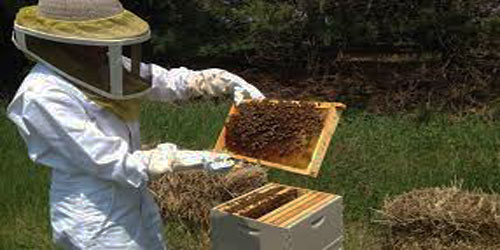 Here are 15 frequently asked questions about small scale honey bees farming:You can purchase bees as packages, nucleus colonies (nucs), or catch a wild swarm. Nucs are often best for beginners. Spring is ideal, as it allows bees time to build up strength and store honey before winter. Regulations vary by location. Some cities or counties require registration or permits—check with your local agricultural extension office. Yes, bees can sting, but they are generally non-aggressive unless provoked. Wearing protective gear and moving calmly reduces the risk. Regular hive inspections, providing enough space (adding supers), and splitting hives before swarm season can help prevent swarming. Bees primarily eat nectar and pollen from flowers. In early spring or late fall, you may need to feed them sugar syrup or pollen substitute. Inspect every 7–10 days during active seasons (spring/summer) to monitor for disease, queen health, and space needs. A healthy hive can produce 30–60 pounds (14–27 kg) of honey per year, depending on location, weather, and hive strength. Harvest in late summer after the main nectar flow. Use a bee escape or fume board to clear bees from honey supers, then extract using a honey spinner. Store honey in clean, airtight glass or food-grade plastic containers in a cool, dry place. It doesn’t require refrigeration. Major threats include Varroa mites, American foulbrood, Nosema, and small hive beetles. Regular monitoring and treatment are essential. Use integrated pest management (IPM): monitor mite levels, apply organic treatments (e.g., oxalic acid, formic acid), or use screened bottom boards. Yes. Ensure hives are well-insulated, have adequate food stores (honey or syrup), and are protected from wind and moisture. Yes, urban beekeeping is possible and often successful due to diverse forage. Check local laws and consider neighbor relations. Regulations vary by country/state. Typically, you’ll need to label honey properly, meet food safety standards, and possibly register as a food producer. "Want To Raise Healthy Honey Bees? Get Gerard Dawn's Ebook That Will Guide You On Small Scale Honey Bee Farming For Honey, In Your Own Farm Yard Even If You're Just Starting Out In Honey Bee Farming..."
|

How To Raise Honey Bees Contact Us Terms of Use Privacy Policy About Us FAQ Site Map