
Raising Carpenter Bees Frequently Asked Questions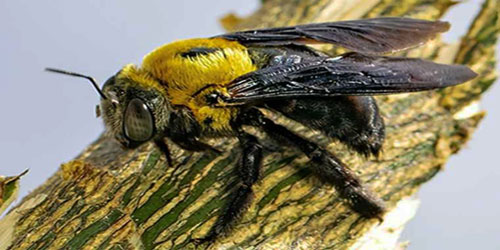 Here are 15 frequently asked questions about how to raise carpenter bees:The female builds a nest tunnel in wood, lays eggs in individual chambers, and provisions each with pollen before sealing them to develop over several weeks. They can damage untreated wood structures over time, but providing alternative nesting sites like wooden blocks can redirect their activity away from your home. Drill ½-inch diameter holes into untreated wood blocks (around 4–6 inches deep), mount them in sunny locations, and protect from rain and predators. Spring is ideal, when adult bees emerge from winter dormancy and females begin searching for nesting sites to lay eggs. Not always, though they may reuse tunnels if available—females typically seek new nesting spots, especially if old nests are sealed or occupied. Larvae feed on a mixture of pollen and nectar called "bee bread" that the mother stores in each chamber before laying an egg. Adult carpenter bees typically live around one year, with most of their life cycle spent in the larval or pupal stage inside the nest. It’s difficult once established, but you can try moving it at night using a ventilated container and gloves—best to provide alternate nesting options instead. Look for perfectly round ½-inch holes in wood, sawdust piles beneath entry points, and buzzing near the openings—usually seen in early spring. No, they don’t produce or store honey like honeybees—they collect nectar and pollen only to feed their young within individual nest cells. Paint or seal exposed wood surfaces, apply natural deterrents like citrus oil, and offer nearby nesting boxes to discourage them from drilling into structures. While not globally endangered, some local populations are declining due to habitat loss, pesticide use, and destruction of nesting sites. They prefer open-faced and tubular flowers such as sunflowers, coneflowers, lavender, sage, and blueberries—offer a variety for continuous blooms. Raising them indoors isn’t practical since they require outdoor access for foraging and nesting, but you can support them in greenhouses with proper ventilation. Supporting carpenter bees helps preserve vital native pollinators, boosts garden productivity, and contributes to healthier ecosystems through sustainable, chemical-free gardening practices. "Want To Raise Healthy Bees? Get Gerard Dawn's Ebook That Will Guide You On How To Raise Healthy Carpenter Bees, In Your Own Farm Yard Even If You're Just
|

How To Raise Honey Bees Contact Us Terms of Use Privacy Policy About Us FAQ Site Map