
Raising Honey Bees Frequently Asked Questions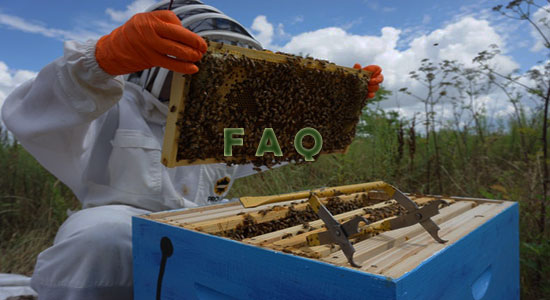 Here are 15 frequently asked questions about raising honey bees:Beekeeping, also known as apiculture, is the practice of maintaining bee colonies in hives. It is important because bees play a crucial role in pollination, which is essential for the reproduction of many plants and crops, contributing to biodiversity and food production. How To Raise Honey Bees The main types of honeybees are the European honeybee (Apis mellifera), which is commonly kept for honey production, and the African honeybee (Apis mellifera scutellata), known for its aggressive behavior. There are also various subspecies within these categories, each adapted to different environments. 12 Things To Know Before You Start Raising Honey Bees Honeybees communicate through pheromones and dance behaviors. The "waggle dance" is a well-known method where a bee indicates the direction and distance of food sources to other members of the colony. Essential equipment for beekeeping includes a bee suit, gloves, a hive tool, a smoker, and beehives (such as Langstroth or top-bar hives). Additionally, you may need honey extraction equipment if you plan to harvest honey. Beginners should understand the basic biology of honeybees, the importance of bee health, and local regulations regarding beekeeping. It is also beneficial to join a local beekeeping club or take a class to gain practical experience. Within a beekeeping operation, roles may include the main beekeeper responsible for hive management, assistants who help with inspections and maintenance, and honey extractors who specialize in processing and packaging honey. A bee colony functions as a superorganism, with each bee playing a specific role. The queen lays eggs, workers perform tasks like foraging and hive maintenance, and drones mate with the queen. The colony works together to ensure survival and productivity. A nuc, or nucleus hive, is a small, functioning bee colony containing a queen, worker bees, and brood. Nucs are used for breeding, hive expansion, or to provide a starter colony for new beekeepers due to their manageable size. Yes, many local agricultural extensions, beekeeping associations, and community colleges offer beekeeping classes. These classes cover essential topics such as bee biology, hive management, and pest control, helping beginners gain confidence and skills. If you are allergic to honeybee stings, it is crucial to consult a healthcare provider for advice. They may recommend carrying an epinephrine auto-injector and suggest strategies to avoid bee stings, such as wearing protective clothing and using caution around hives. Beekeepers manage pests through integrated pest management (IPM) strategies, which may include regular hive inspections, using screened bottom boards, and applying natural or chemical treatments as needed. Keeping hives strong and healthy is also essential for reducing pest infestations. Common pests include Varroa mites, small hive beetles, and wax moths. Diseases can include American foulbrood, European foulbrood, and Nosema. Regular hive inspections and integrated pest management (IPM) strategies are essential for controlling these issues. Varroa mites can be controlled using a combination of chemical treatments, organic methods, and integrated pest management strategies. Monitoring mite levels and applying treatments as needed can help manage infestations. Swarming is a natural process where a portion of the colony leaves to establish a new hive. It can be managed by providing adequate space, performing regular inspections, and using swarm prevention techniques such as splitting the hive or adding extra supers. Winterizing involves ensuring that the hive is insulated against cold temperatures, providing adequate food stores, and reducing hive entrances to minimize drafts. Some beekeepers also use supplemental feeders or hive wraps for added protection. Benefits include honey production, pollination of plants and crops, and the enjoyment of observing and working with bees. Beekeeping can also contribute to local ecosystems and biodiversity. Challenges include managing pests and diseases, handling swarming, ensuring adequate forage, and dealing with weather conditions. Beekeepers need to stay informed about best practices and continuously monitor their hives. A new bee colony typically takes about 6-12 months to become fully established and start producing honey. Colonies may take longer to build up strength and store surplus honey in their first year. Honey is harvested by removing the frames from the hive, uncapping the honey cells with a knife or capping comb, and extracting the honey using a honey extractor. The honey is then filtered and bottled for consumption. Regulations vary by location and may include requirements for hive placement, registration, and management practices. It’s important to check local beekeeping ordinances and guidelines to ensure compliance with legal and safety standards. "Want To Raise Healthy Honey Bees? Get Gerard Dawn's Ebook That Will Guide You On How To Raise Healthy Profitable Honey Bees For Honey, In Your Own
|

How To Raise Honey Bees Contact Us Terms of Use Privacy Policy About Us FAQ Site Map