
Small Scale Guppy Fish Farming Frequently Asked Questions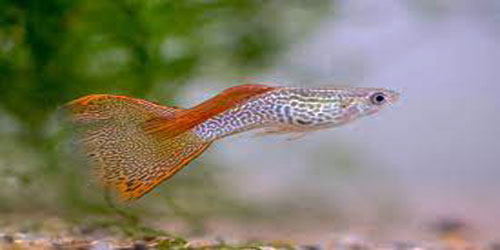 Here are 15 frequently asked questions on small scale guppy fish farming:Guppies thrive in clean, well-maintained water with a pH between 6.8 and 7.8, temperature between 72°F and 82°F, and low ammonia levels. Female guppies give birth every 4 to 6 weeks, producing 20–60 fry per batch, allowing for rapid population growth under proper care. Yes, in warm climates, guppies can be raised in outdoor ponds, rain barrels, or plastic containers, provided there’s protection from predators and extreme weather. Feed them high-quality flake food daily, supplemented with brine shrimp, daphnia, and vegetable matter for optimal health and coloration. You can sell guppies locally to pet stores, hobbyists, or online via social media, classified sites, or dedicated aquarium forums. Yes, guppies eat mosquito larvae, making them effective natural pest controllers and valuable for public health initiatives. Maintain clean water, avoid overcrowding, quarantine new fish, and regularly monitor water parameters to keep your guppies healthy. With proper care, guppies typically live 1 to 3 years, though some may live longer in well-maintained environments. Yes, but crossbreeding may result in offspring with mixed traits; selective breeding helps maintain desired color patterns and fin types. Begin with a small group of 5–10 guppies, ideally with more females than males to reduce stress and promote sustainable breeding. In most areas, no license is required for small-scale ornamental fish farming unless you plan to export or engage in large commercial operations. Perform weekly 25% water changes in tanks and ensure proper filtration to maintain water quality and fish health. Rainwater can be used if it's free from contaminants, but it often lacks minerals—mixing with tap water or adding conditioners helps balance it. Use social media groups, local classifieds, aquarium forums, and word-of-mouth to showcase your guppies and build a customer base. Common challenges include maintaining stable water conditions, managing overpopulation, preventing disease outbreaks, and finding consistent buyers—but these can all be overcome with proper planning and knowledge. "Want To Raise Healthy Guppy Fish? Get Gerard Dawn's Ebook That Will Guide You On How To Raise Healthy Profitable Guppy Fish For For Ornamental Or Aquarium Purposes, In Your Own Farm Yard Even If You're Just Starting Out In Guppy Fish Farming..."
|

How To Raise Rainbow Trout Contact Us Terms of Use Privacy Policy About Us FAQ Site Map